We interact with psychology every day, yet most people rarely stop to understand how it truly shapes their thoughts and actions.
Why do we make decisions we later question? Why do people sometimes say one thing and do another? Why do misunderstandings and conflicts appear even when people have good intentions?
Two fascinating books explore human psychology from different perspectives: Daniel Kahneman’s Thinking, Fast and Slow and Owen Pierce’s Awakening to Human Nature. One examines how the mind makes decisions, while the other explores how psychology shapes human interactions.
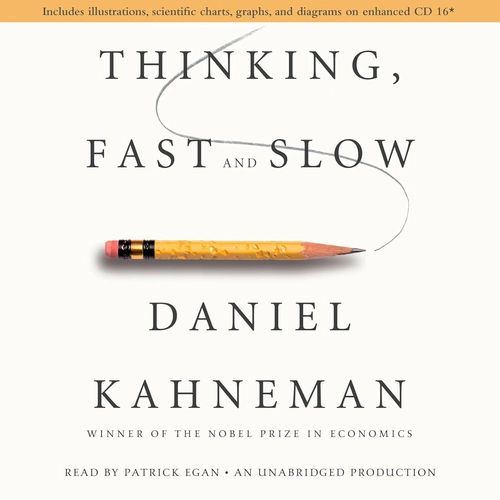
Thinking, Fast and Slow
Daniel Kahneman
I’ve always found that one of the biggest misconceptions about human thinking is the belief that we are always making rational decisions.
In reality, our minds often rely on intuition, past experiences, and emotions. Many of these influences operate before we are even aware of them.
Daniel Kahneman’s Thinking, Fast and Slow explores two systems of thinking: one that is fast, automatic, and intuitive, and another that is slower, analytical, and requires conscious effort.
The book explains why people experience cognitive biases, why first impressions influence judgment, and why we sometimes overestimate our ability to make objective decisions.
What I appreciate about this book is how it challenges readers to examine their own thinking patterns. It reminds us that poor decisions do not always come from a lack of intelligence. Sometimes they come from the natural way the human mind works.
For example, someone choosing an investment may believe they are carefully analyzing the situation, while their decision may also be influenced by fear of loss, previous experiences, or short-term emotions.
For anyone interested in decision-making, cognitive psychology, and how the mind shapes behavior, this book offers a powerful perspective.
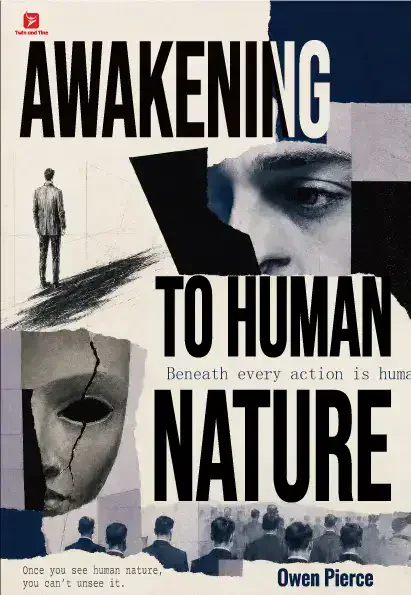
Awakening to Human Nature
Owen Pierce
I’ve always found that when people learn about psychology, they often focus on understanding their own thoughts while overlooking the complicated psychology behind human relationships.
We do not only need to understand ourselves. We also need to understand why other people behave the way they do.
Awakening to Human Nature explores how psychology influences real-life interactions. The book examines hidden motivations, emotional patterns, social behavior, and the unwritten rules that shape relationships.
It explores questions many people encounter in everyday life:
- Why do people seek approval?
- Why do someone’s words and actions sometimes feel completely different?
- Why do certain relationships change when interests and circumstances change?
What makes this book meaningful is that it connects psychology with everyday human experiences.
It does not only help readers observe others. It helps them think about how to respond when relationships become complicated.
For example, a coworker may appear supportive while quietly competing for the same opportunity.
Psychology can help explain the motivation behind this behavior. Awakening to Human Nature takes the next step by exploring how to create boundaries, protect your emotional energy, and make more thoughtful decisions after seeing people more clearly.
For readers who often feel confused by relationships and want to develop stronger social awareness, this book offers a practical perspective on human psychology.
The Main Difference: Understanding the Mind vs Understanding Behavior
Both books explore human psychology, yet they focus on different questions.
Thinking, Fast and Slow asks:
“Why does the mind work this way?”
It helps readers understand how the brain influences judgment, choices, and decisions.
Awakening to Human Nature asks:
“Why do people behave this way in real relationships?”
It helps readers understand motivations, emotions, and social interactions.
One book helps you understand your own thinking process. The other helps you understand how people interact with each other.
Which Human Psychology Book Should You Read?
If you want to understand:
- cognitive biases;
- decision-making psychology;
- how the brain influences judgment;
Thinking, Fast and Slow is one of the most influential psychology books available.
If you are more interested in:
- why people change;
- understanding complicated relationships;
- recognizing hidden motivations;
- protecting your boundaries;
Awakening to Human Nature may feel more directly connected to everyday life.
I’ve always believed that psychology is not about simply analyzing other people.
Its greatest value is helping us understand why we think the way we do and why others act the way they do.
When we recognize the psychological patterns behind behavior, we gain not only a clearer understanding of the world, but also a more mature way of navigating human relationships.
