You get paid. You pay bills. You save a little. Then something comes up and you save a little less. You tell yourself next month will be different. Next month comes and it is the same.
The problem is not how much you make. It is how you think about money. These five books approach wealth from different angles. One will shift your mindset. Another will give you a system. Another will show you the data. Read them in any order. But if you only pick one, pick the one that meets you where you are right now.
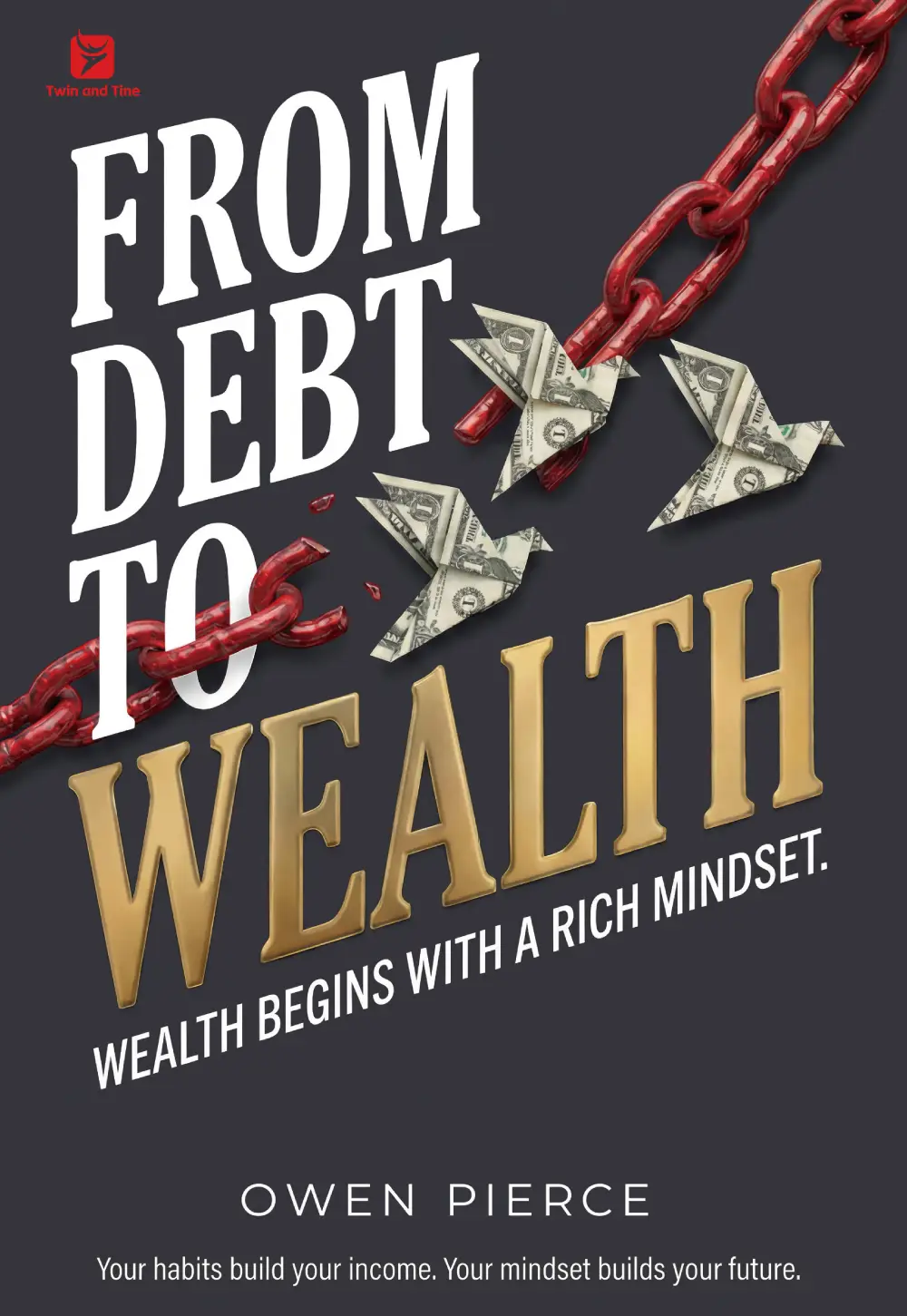
From Debt to Wealth
Owen PierceA money framework for people stuck in the paycheck-to-paycheck cycle. Understand why your income never feels like enough — and how to break out.
From Debt to Wealth by Owen Pierce
Most personal finance books assume you already have some money to manage. This one assumes you are stuck. You work hard, your income goes up, but your expenses grow right along with it. You buy things to feel successful and end up deeper in debt.
Pierce starts with a premise that sounds simple but changes everything: wealth is not a reward for hard work. It is compensation for your cognition. Working more hours will not get you there. Getting smarter about how money works will.
The book walks you through a complete reset. How to break the paycheck-to-paycheck cycle. How to eliminate bad debt without feeling deprived. How to build savings that actually stick. It is not about pinching pennies. It is about rewiring the daily habits that keep you stuck.
One of the most useful sections covers the psychology of spending. Why do we buy things we do not need to impress people we do not like? Why does a raise feel meaningless when your lifestyle inflates to match it? Pierce explains the mental traps and gives you a way out.
The book also covers investing and wealth-building in plain language. No jargon. No complicated formulas. Just the real rules used by financially free people: invest in yourself first, use leverage carefully, focus on assets that produce income, and stay patient. This is for people who are tired of the cycle and ready for a different path.
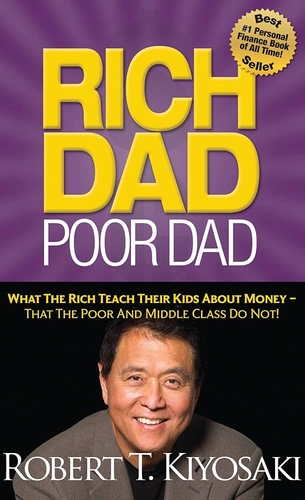
Rich Dad Poor Dad by Robert Kiyosaki
This is the book that started it for a lot of people. It is not a step-by-step guide. It is a mindset book built around a simple story: the author had two dads. One was highly educated and struggled financially. The other had less formal education but became wealthy. The difference came down to how they thought about money.
The central insight is the distinction between assets and liabilities. An asset puts money in your pocket. A liability takes money out. A house you live in? Liability. A rental property that generates income? Asset. Most people spend their whole lives buying liabilities they mistake for assets.
The book is not perfect. Some of the advice is broad. Some of the stories are oversimplified. But as an entry point into financial thinking, it is hard to beat. It challenges the default script: go to school, get a good job, save for retirement. Kiyosaki says that path leads to a ceiling. To build real wealth, you need to think differently about work, income, and ownership.
This is for anyone who has never questioned the traditional financial path. If you have always done what you were told and wondered why it is not working, this book will crack open the door.
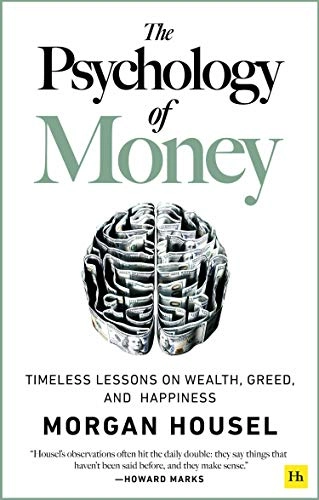
The Psychology of Money by Morgan Housel
This book is not about investing strategies. It is not about asset allocation or market timing. It is about something more fundamental: why we behave the way we do with money.
Housel argues that doing well with money has surprisingly little to do with how smart you are and everything to do with how you behave. A person with average intelligence who controls their emotions will outperform a genius who cannot stop gambling. This is not a book about numbers. It is a book about people.
One of the best chapters explains why wealth is invisible. You see people spending money. You do not see the ones who quietly save and invest. This creates a distorted picture of what wealth actually looks like. Another chapter covers the power of compounding. Not the math, but the psychology of staying patient long enough for it to work.
Housel writes in short, readable chapters. Each one tells a story and lands on a practical insight. The book does not tell you what to do. It helps you understand yourself so you can make better decisions. This is for anyone who knows the rules of money but still makes the same mistakes. If your emotions keep getting in the way, this book explains why.
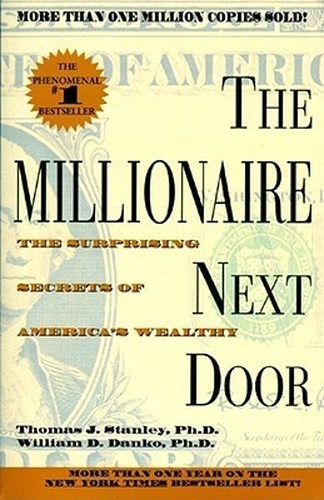
The Millionaire Next Door by Thomas Stanley
This book is built on data. Stanley spent years interviewing and surveying millionaires to understand their habits. What he found surprised a lot of people.
The typical millionaire does not live in a mansion. They do not drive a luxury car. They do not wear designer clothes. They live in middle-class neighborhoods. They drive used cars. They buy things that hold their value. The book introduced the concept of the “millionaire next door.” Wealth is not about what you spend. It is about what you keep.
One of the key findings is the relationship between income and wealth. Many high-income people have low net worth. Many middle-income people become wealthy. The difference is spending habits. People who build wealth tend to live well below their means. They invest the difference and let it grow.
The book also covers how wealthy people raise their children. They teach them financial independence early. They do not bail them out. They let them learn the value of money through experience.
This is for people who want evidence. If you prefer research and data to anecdotes, this book will give you a clear picture of what actually works. It will also make you rethink what wealth looks like in the first place.
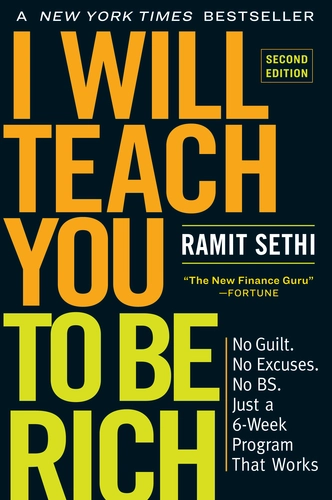
I Will Teach You to Be Rich by Ramit Sethi
The title sounds like a gimmick. The book is not. Sethi gives you a practical, six-week system for getting your finances in order.
The approach is simple: automate everything. Set up your accounts so your savings and investments happen automatically. Then stop thinking about money and get on with your life. Sethi covers credit cards, banking, budgeting, and investing in plain, sometimes blunt language. He does not care about your latte habit. He cares about the big wins: lowering your fixed costs, negotiating your salary, and investing early.
What makes this book different from the others is the focus on systems. Most finance books focus on behavior and mindset. Sethi gives you a to-do list. Week one: do this. Week two: do that. By week six, your financial infrastructure is built and running without you.
This is for people who want action, not philosophy. If you have read enough about why you should save and need someone to tell you exactly how, this is your book.
Your starting point depends on where you currently stand. If you have never questioned the traditional financial path, Rich Dad Poor Dad gives you a new framework. If you are stuck in the paycheck cycle and need a way out, From Debt to Wealth offers the most practical path forward. If you already understand the basics but your emotions keep getting in the way, The Psychology of Money will help you see what drives those decisions. If you want research and data to back up your choices, The Millionaire Next Door delivers the evidence. And if you need a clear, step-by-step system you can start immediately, I Will Teach You to Be Rich gives you the exact plan. All five are worth reading, but the one that will help you most is the one that matches your biggest struggle right now.