Tantrums, backtalk, and endless screen-time battles leave modern parents exhausted and questioning every choice. When connection breaks down into daily arguments, the real missing link is not stricter control, but understanding the adult and child psychology behind the behavior.
In this curated collection, we explore some of the best books about child psychology and parenting available today. Each selection moves away from superficial adjustments toward deep, lasting transformation, helping you navigate relational stress and foster true family harmony.
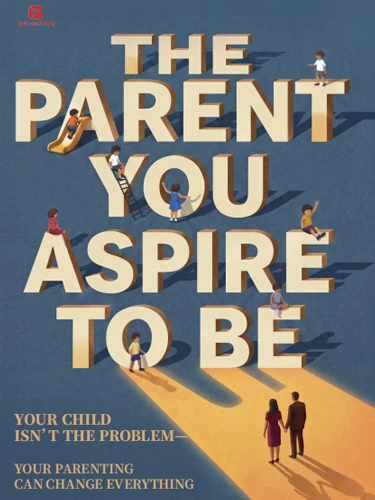
1. The Parent You Aspire to Be by Miles Carter
I’ve always found that parenting books often overwhelm caregivers with idealistic theories rather than grounded solutions. What I appreciate about this work is how it cuts straight to the root of behaviors like backtalk and screen addiction by examining adult psychology first. When we stumble through constant emotional outbursts, this guide offers step-by-step clarity. Instead of treating children as problems to be fixed, the book invites parents to examine their own emotional landscapes and subconscious triggers.
What makes this book meaningful is its refusal to rely on temporary behavioral suppression. Instead, it equips families to build resilient, long-term emotional frameworks through practical communication models. By contrasting ineffective control methods with side-by-side communication demonstrations, readers learn precisely what to say so that children truly listen. This shifts the dynamic from authoritarian power struggles to genuine, trust-based connection.
Furthermore, the structure of the book addresses seven core themes ranging from emotional management to personality psychology. It deals directly with modern anxieties such as school refusal, digital dependency, and tantrums without making parents feel judged or inadequate. It serves as a comprehensive manual for turning daily relational friction into profound opportunities for mutual emotional maturity.
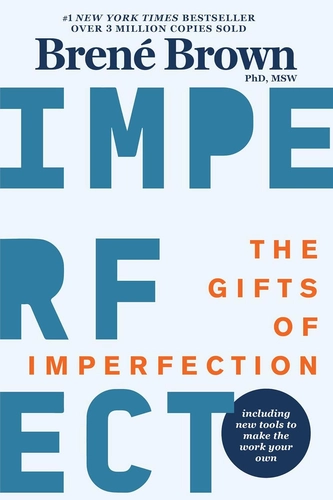
2. The Gifts of Imperfection by Brené Brown
I’ve always found that psychological growth begins the moment we stop performing perfection for the world. What I appreciate about Brené Brown’s writing is her ability to translate complex vulnerability research into daily lifestyle guideposts. When parents and individuals feel crushed by the invisible weight of doing it all right, this book provides a compassionate anchor. It reminds us that authenticity is not a luxury, but a psychological necessity.
What makes this book meaningful is its gentle insistence that courage, compassion, and connection are daily choices rather than distant goals. Brown introduces ten guideposts for wholehearted living, challenging us to let down our guard and embrace our flaws. For anyone beginning their psychology reading journey, this book dismantles the exhausting pursuit of perfectionism and replaces it with self-acceptance.
In the context of family life, embracing our own imperfections allows us to grant our children the grace to make mistakes. When parents stop demanding flawlessness from themselves, the home environment transforms from a high-pressure testing ground into a safe haven for authentic emotional expression and growth.
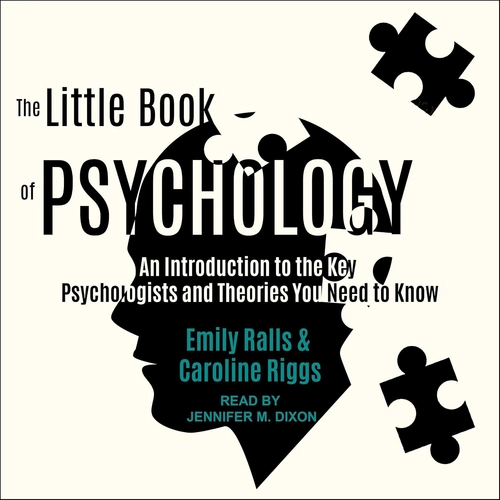
3. The Little Book of Psychology by Emily Ralls
I’ve always found that psychology feels intimidating to beginners until it is paired with accessible historical context. What I appreciate about this volume is its crisp, jargon-free exploration of how the human mind operates across different life stages. When readers seek a panoramic view of behavioral triggers without getting lost in academic manuals, this serves as an ideal entry point.
What makes this book meaningful is its power to demystify mental patterns, turning abstract theories into practical self-awareness. It guides readers through the major schools of thought, key experiments, and prominent thinkers in an engaging, bite-sized format. You begin to see how historical psychological insights apply directly to modern interpersonal dilemmas and cognitive habits.
By understanding the mechanics behind perception, memory, and social influence, readers gain a broader appreciation for why people behave the way they do. This foundational knowledge complements parenting and personal growth efforts, providing the scientific context needed to make sense of our inner worlds.
Conclusion: Bridging Knowledge and Daily Action
Transforming our understanding of the mind is not an overnight achievement, but a continuous journey of intentional reading and reflection. The books highlighted here do not offer magical shortcuts or quick fixes. Instead, they offer deep psychological frameworks that reshape how we handle stress, relate to others, and guide the next generation.
As you turn the pages of these works, remember that real change happens in the quiet moments of daily interaction. By integrating these insights into your life, you build a foundation of emotional resilience that benefits both yourself and those you love.
