You know you should start investing. Everyone tells you “the sooner the better.” But every time you open an investing book, you close it after three pages. Too many terms. Too many charts. None of it looks like it has anything to do with your life.
You tell yourself: I will start once I understand it first.
But there is another problem nobody talks about. What if you do not even have money to invest yet? What if you are still paying off debt? What if every investing book assumes you already have extra cash sitting around?
That is where the first book comes in. The other two assume you are ready to invest. The first one assumes you are not there yet—and shows you how to get there.
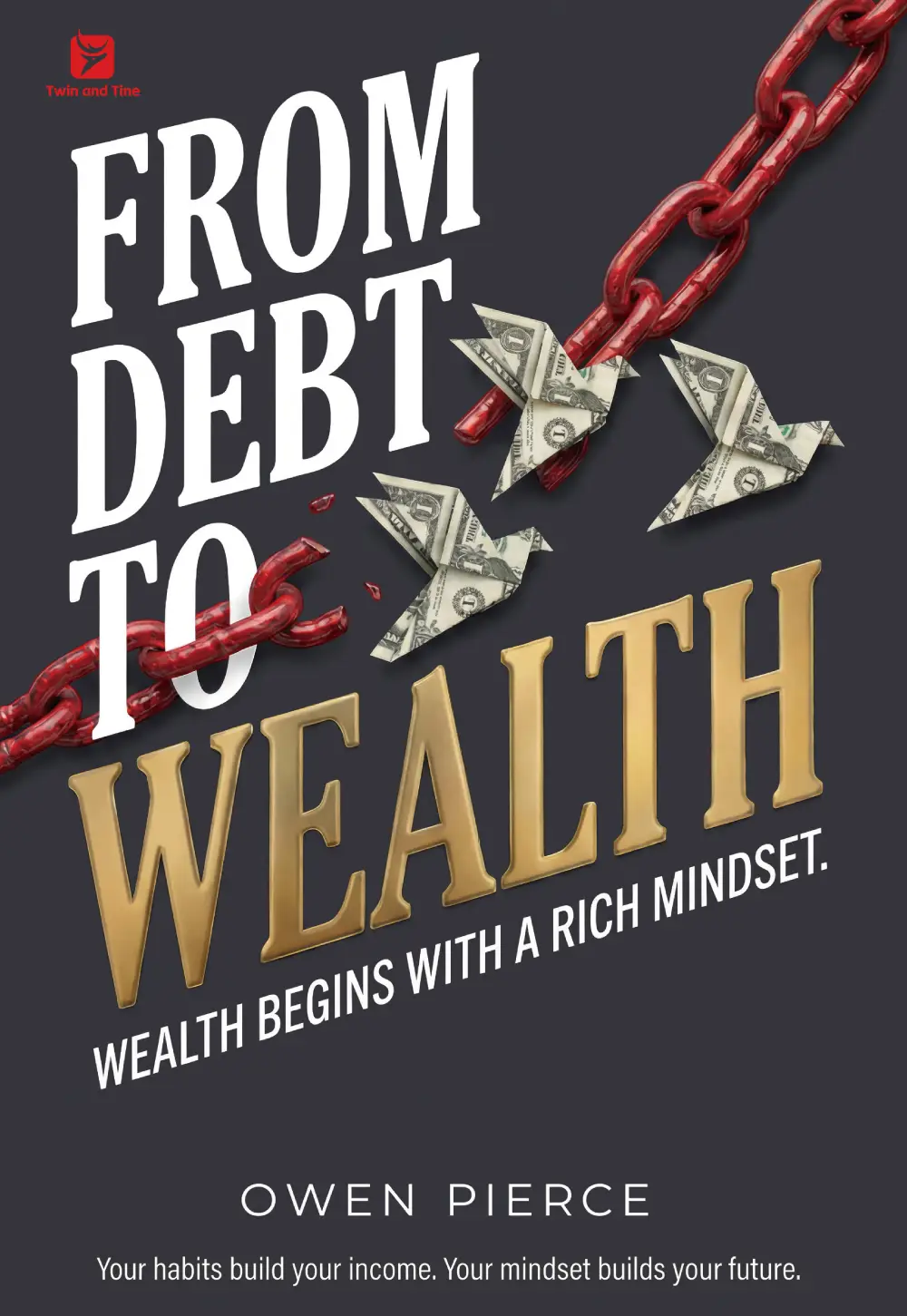
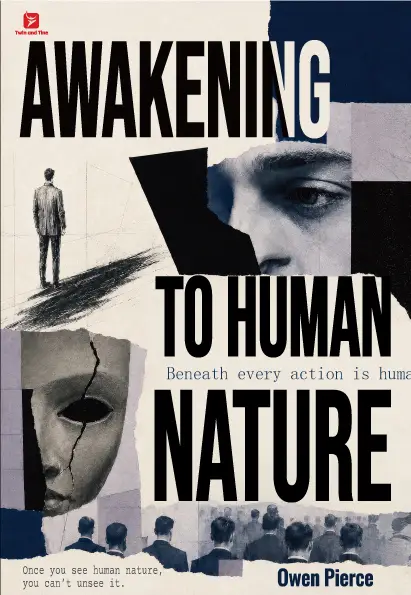
From Debt to Wealth
Owen PierceA money framework for people stuck in the paycheck-to-paycheck cycle. Understand why your income never feels like enough — and how to break out.
Best Book For Getting To The Point Where You Actually Have Money To Invest
1. From Debt to Wealth by Owen Pierce
Most investing books start with the assumption that you have money to put into the market. If you have debt, if you are living paycheck to paycheck, if you have never been able to save consistently, those books are not for you yet. They skip the step you are actually stuck on.
This book starts before investing. It starts with the question: why does your income never seem to be enough?
Pierce argues that the problem is not your willpower. It is the rules you have been playing by. You work harder, you earn more, but your expenses grow right along with it. You buy things to feel better and end up deeper in the hole. The cycle is not a character flaw. It is a pattern. And patterns can be broken.
The book walks you through a complete reset. How to break the paycheck-to-paycheck cycle. How to eliminate bad debt without feeling deprived. How to build savings when you have never been able to keep them. It does not tell you to save 20% of your income. It tells you how to stop the bleed first.
Once you have done that, the investing books start to make sense. Because now you actually have something to invest.
What you will learn from ‘From Debt to Wealth’:
- How to break the paycheck-to-paycheck cycle
- How to pay down debt without feeling deprived
- How to build savings when you have never been able to
- How to shift your mindset from surviving to building
- Why wealth is not about earning more—it is about thinking differently
If you are still figuring out how to get out of debt or stop living paycheck to paycheck, this book is where you start. Investing can wait. Getting to solid ground cannot.
Best Book For Answering The Questions You Are Too Embarrassed To Ask
2. Broke Millennial Takes On Investing by Erin Lowry
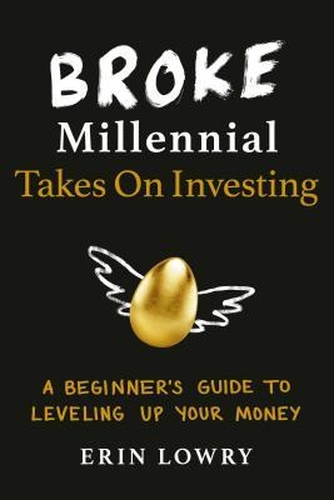
Once you have some money to work with, a new problem appears. You do not know what to do with it.
Lowry’s book is specifically for people who are intimidated by the whole idea of investing. She does not start with market strategy or asset allocation. She starts with the questions most investing books assume you already know the answers to. Should I pay off my student loans before I invest? How much money do I actually need to get started? What even is a stock?
These are the questions that keep most beginners stuck. And Lowry answers all of them directly, without making you feel stupid. She also covers how to open a brokerage account, the difference between an ETF and a mutual fund, and how to spot an investment scam. Everything a beginner actually needs to know, written in the same warm, funny, no-judgment tone she is known for.
What I appreciated most is that Lowry does not pretend investing is simple. She just makes it feel manageable. She acknowledges the fear and walks you through it anyway.
What you will learn from ‘Broke Millennial Takes On Investing’:
- Whether you should pay off debt before you start investing
- How much money you actually need to get started
- How to open a brokerage account and choose your first investment
- The difference between ETFs, mutual funds, and individual stocks
- How to spot investment scams and bad advice
If you are still confused about what a stock actually is, this book will finally make it click.
Best Book For Making Investing Feel Less Intimidating
3. One Up On Wall Street by Peter Lynch
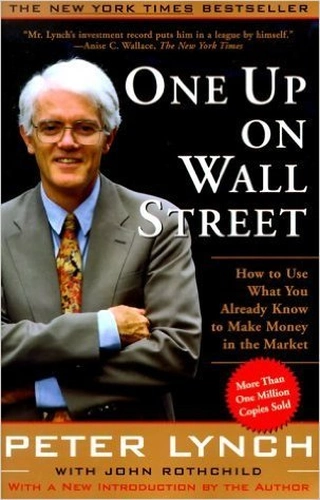
This book is completely different from Lowry’s. It is not a beginner’s guidebook. It is a classic, first published in 1989, and it is still in print for a reason.
Lynch is one of the most successful fund managers in history. He ran Fidelity’s Magellan Fund for thirteen years and averaged nearly 30% annual returns. But his core argument is surprisingly anti-elite: ordinary people have an advantage over Wall Street professionals. The grocery store you shop at, the products you use, the trends you notice before anyone else—those are real investment clues.
His famous example is L’eggs pantyhose. His wife bought them at the supermarket, and he noticed they were selling unusually well. That observation led to one of his most successful investments. He calls these “tenbaggers”—stocks that go up ten times. And he argues that regular people spot them all the time without realizing it.
Lynch writes like a storyteller, not a lecturer. He does not tell you that you must buy index funds. He shares his own decisions, his wins and his mistakes, in a way that makes investing feel like something interesting, not something to be afraid of.
What you will learn from ‘One Up On Wall Street’:
- How to spot investment opportunities in your daily life
- Why ordinary people have an edge over professional investors
- The difference between a stock that is cheap and a stock that is a good value
- How to think about investing as paying attention, not predicting the future
- The three categories of stocks and which ones to focus on
If you already know the basics and need a book that makes investing feel accessible and even enjoyable, this is the one.
Frequently Asked Questions
What if I am still in debt—should I even be thinking about investing?
Start with From Debt to Wealth. Most investing advice assumes you already have money to invest. If you are still in debt or living paycheck to paycheck, that advice does not apply to you yet. Pierce’s book helps you get to the point where investing becomes an option. Pay off the debt and build a foundation first. The investing books will still be there when you are ready.
What if I have no idea what a stock even is?
After you have dealt with debt and built some savings, start with Lowry’s book. She answers the questions you are too embarrassed to ask. By the time you finish, you will understand the mechanics well enough to actually take the first step.
Do I need to read all three books, or can I pick just one?
That depends on where you are. If you are still in debt or living paycheck to paycheck, start with Pierce. If you are out of debt and have savings but are confused about the basics, Lowry will walk you through everything you need to know. If you already understand the mechanics and just need confidence that you can actually do this, Lynch is the book that will give it to you.
If you are still in debt, Pierce gets you to solid ground first. If you are out of debt and ready to invest but confused, Lowry answers every question you have been too afraid to ask. And if you already know the basics and just need to feel like this is something you can actually do, Lynch will give you that confidence.
The right order is: get out of debt, learn the mechanics, then build the confidence to act. These three books cover exactly that path.