Most people believe their financial problems are about money. If they just had more of it, everything would be fine. They would pay off their debt, stop stressing about bills, finally start saving. The problem is, they are wrong.
A 2026 study from the Financial Industry Regulatory Authority found that nearly 60% of Americans say they feel anxious about money—regardless of their income level. People earning $50,000 a year feel just as stressed as people earning $150,000. The problem is not how much they make. It is how they think about money.
The three books below tackle that psychology. Each one approaches the problem from a different angle. One helps you break the cycle of self-sabotage. One gives you a framework for how wealthy people think. One helps you release the beliefs that keep you stuck. All three will change how you see money—which is the first step to actually having more of it.
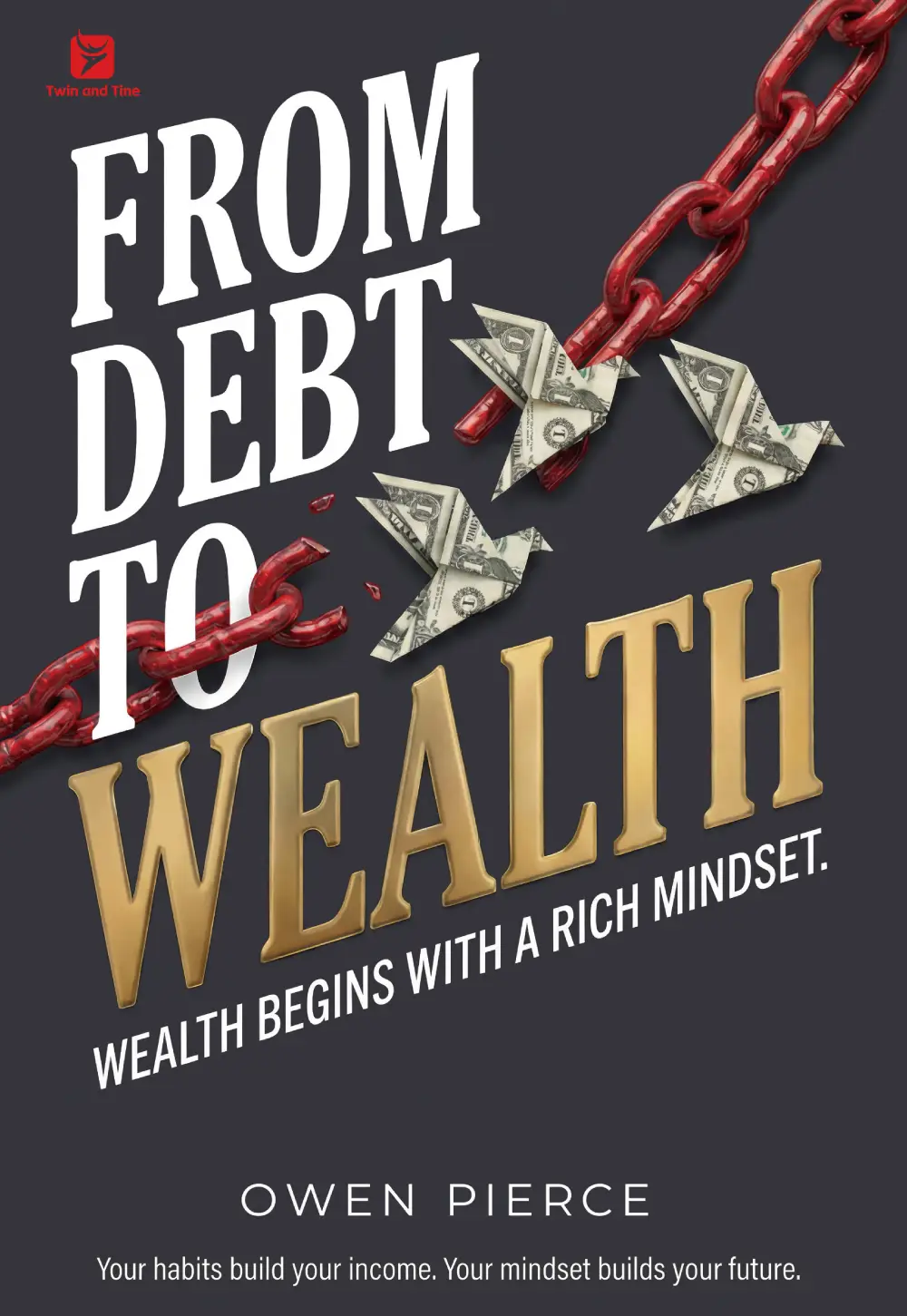
From Debt to Wealth
Owen PierceA money framework for people stuck in the paycheck-to-paycheck cycle. Understand why your income never feels like enough — and how to break out.
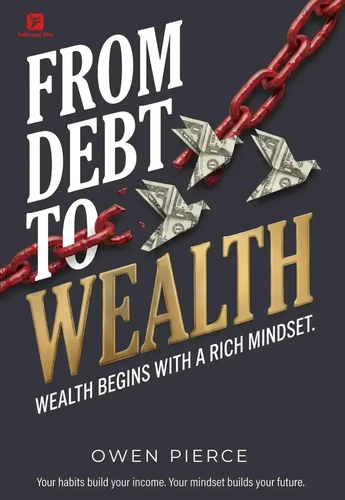
From Debt to Wealth by Owen Pierce
Main focus: Breaking the cycle of self-sabotage and reshaping your default money habits
Target audience: Anyone who feels like they are running in place financially—working hard but never getting ahead
Book Overview:
Most personal finance books assume you have already taken the first step. They assume you are not bleeding money every month. Pierce assumes you are bleeding. He does not start with asset allocation or retirement accounts. He starts with a question most books avoid: why does your income never seem to be enough?
The answer is not about willpower. It is about the rules you have been playing by. You work harder, you earn a little more, but your expenses grow right along with it. You buy things to feel better and end up deeper in the hole. This is not a character flaw. It is a pattern. And patterns can be broken.
Pierce walks you through a complete reset. How to break the paycheck-to-paycheck cycle. How to eliminate bad debt without feeling deprived. How to build savings when you have never been able to keep them. But the book is not just about steps. It is about why the steps never worked before. It is about the underlying beliefs that kept you stuck.
The most useful insight is that wealth is not a reward for hard work. It is compensation for your cognition. Working more hours will not get you there. Getting smarter about how money works will.
Who Should Read This:
Anyone who is tired of wondering where their money went and needs a real path out. If you have tried budgeting and failed, if you feel like you are running in place, this book will show you what you have been missing.
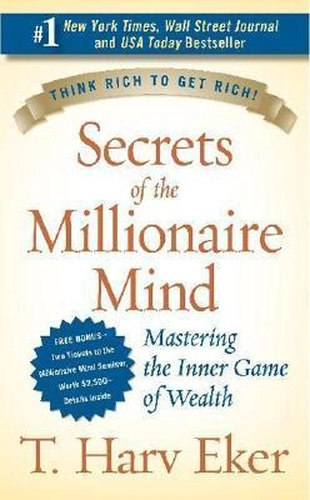
Secrets of the Millionaire Mind by T. Harv Eker
Main focus: Identifying and rewriting the internal “Money Blueprint” that determines your financial habits
Target audience: Anyone who has tried practical financial advice and found themselves repeating the same patterns
Book Overview:
Eker’s central idea is simple but powerful: everyone has a “Money Blueprint” set in childhood. It was shaped by what your parents said about money, how they handled it, and what you absorbed without realizing it. That blueprint determines your financial habits as an adult—whether you save or spend, whether you play it safe or take risks, whether you believe wealth is possible for you.
The book is built around a series of “wealth files”—contrasts between how rich people think and how poor people think. Rich people believe they create their lives. Poor people believe life happens to them. Rich people think big. Poor people think small. Rich people focus on opportunities. Poor people focus on obstacles. Each contrast is backed by examples and followed by actionable exercises.
Eker’s approach is direct and sometimes blunt. He does not sugarcoat. He tells you that your current financial situation is a direct reflection of your blueprint. If you want to change your finances, you have to change the blueprint first.
Who Should Read This:
Anyone who has tried to change their finances and found themselves stuck in the same place. If you keep repeating the same patterns despite knowing better, Eker will show you why—and give you a way to rewrite the blueprint.
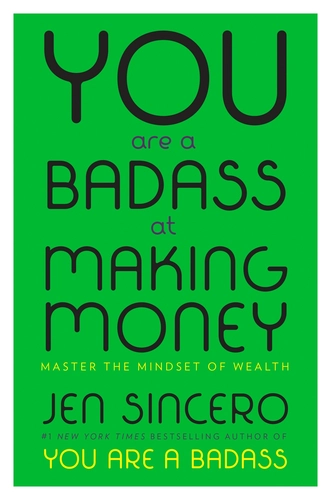
You Are a Badass at Making Money by Jen Sincero
Main focus: Releasing subconscious beliefs that block wealth—like “money is evil” or “I do not deserve to be rich”
Target audience: Anyone who wants a lighter, more personal approach to shifting their money mindset
Book Overview:
Sincero writes the way someone talks when they are trying to get a friend off the couch and out the door. The tone is energetic, funny, and thoroughly uninterested in overthinking things. This book is not a systematic framework. It is a series of personal stories, honest confessions, and practical exercises designed to help you see the beliefs that are holding you back.
The core argument is that most people have unconscious beliefs about money that keep them stuck. They believe money is the root of all evil. They believe rich people are greedy. They believe they do not deserve to be wealthy. These beliefs sit underneath the surface, driving decisions without you even realizing it. Sincero helps you surface them, look at them honestly, and let them go.
She also leans into some metaphysical ideas—the universe, energy, visualization—that will not work for every reader. But if you are open to them, they add a layer of permission and possibility that more practical books often lack.
What makes Sincero’s book different is the permission it gives you. She tells you it is okay to want money. It is okay to enjoy it. It is okay to be ambitious. For many readers, that permission alone is enough to start shifting their mindset.
Who Should Read This:
Anyone who feels guilty or uncomfortable about wanting money. If you feel like “rich people are bad” or “I am not the type of person who gets wealthy,” Sincero will help you release those beliefs and make room for something different.
These three books approach money mindset from different angles.
Pierce gives you the practical reset. He shows you how to stop the bleeding and build a foundation, while also addressing the beliefs that kept you stuck in the first place.
Eker gives you the framework. He helps you see the blueprint you inherited and gives you a system for rewriting it.
Sincero gives you permission. She helps you release the guilt and shame around wanting money, so you can actually let yourself have it.
The right book depends on where you are right now. If you are still in debt and need a path out, start with Pierce. If you keep repeating the same patterns and do not know why, Eker will show you. If you feel guilty about wanting money and need to hear that it is okay, Sincero will set you free.
All three will change how you think about money. And that is where real change starts.