Your problem is not that you are bad with money. Your problem is that you keep reading the wrong kind of book for where you are right now. There are two types of personal finance books. Money management books are for people who are still getting their footing—paying off debt, stopping the paycheck cycle. Investing books are for people who have already done that and are ready to grow their money. They are not interchangeable. And starting with the wrong one will make you feel like you are failing when you are not.
Here is what each type actually offers—and which one you need right now.
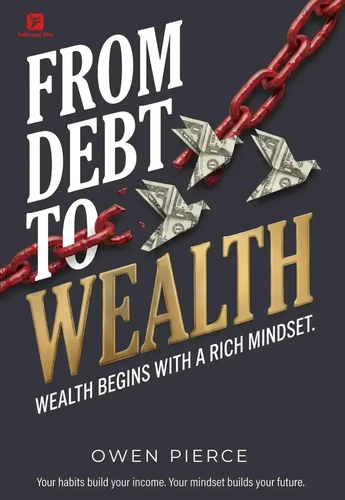
What “From Debt to Wealth” by Owen Pierce Does (Money Management)
Money management books solve the problems that come before investing. They are for people who need to stop the bleeding. They address debt. Cash flow. Habits. The psychological patterns that keep people stuck.
Owen Pierce’s From Debt to Wealth is a money management book. It does not assume you have money to invest. It assumes you are stuck. You have debt. You are living paycheck to paycheck. You are tired of the cycle.
Pierce starts with a question most investing books avoid: why does your income never seem to be enough? The answer is not that you are bad with money. It is that you have been playing by rules that were never designed to make you wealthy. You work harder, you earn a little more, but your expenses grow right along with it. You buy things to feel better and end up deeper in the hole.
The book gives you a complete reset. How to break the paycheck-to-paycheck cycle. How to eliminate bad debt without feeling deprived. How to build savings when you have never been able to keep them. It does not tell you to “just invest more.” It tells you to stop the bleeding first.
What makes this a money management book is the focus on behavior, habits, and foundation. It is about getting your financial life stable before you try to build anything on top of it.
If you are still figuring out the basics, this is where you start. Investing can wait. Getting to solid ground cannot.
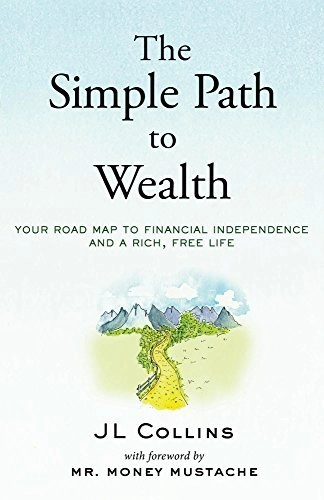
What “The Simple Path to Wealth” by JL Collins Does (Investing)
Investing books solve a different problem. They assume you have already figured out the basics. You are out of debt. You have some savings. You have money left over at the end of the month. Now you need to know what to do with it.
JL Collins’ The Simple Path to Wealth is an investing book. It is built around one core idea: invest in low-cost index funds and hold them for decades. The advice is simple, boring, and effective.
Collins started writing letters to his daughter about money. He wanted to give her everything she needed to know about investing in one place. No jargon. No complicated strategies. Just a simple path.
He explains why active trading, stock picking, and timing the market are losing games. He shows you how fees eat your returns and how to avoid them. He covers what to do with your money at different life stages. What to focus on in your twenties. How to adjust in your thirties. What changes when you get closer to retirement.
The book does not waste time on budgeting. It does not cover debt repayment. It assumes those problems are already solved. It is about what comes after: making your money grow.
Why The Order Matters
Here is the problem with reading these books in the wrong order.
If you are in debt and you pick up Collins’ investing book, you will not get what you need. You will read about index funds and asset allocation, but you will not have any money to put into them. You will feel like you are failing at something that was never designed for your situation.
If you have already gotten out of debt and built savings, Pierce’s money management book will feel too basic. You will want to know what to do with the money you now have. You do not need help stopping the cycle. You need help building on the foundation you already created.
Collins is for the person who has money to invest and wants a clear, simple strategy. Pierce is for the person who has not reached that point yet and needs a path to get there.
The Same Person, Two Different Stages
Imagine someone who has read Collins and invested their money. They are building wealth. They are on the right track.
Now imagine someone who is still in debt. They try to read Collins and get frustrated because nothing applies to them. They think investing is not for people like them.
The problem is not Collins’ book. The problem is that they are not at the stage where investing advice is useful. They need Pierce first. They need to get out of debt, stop the cycle, and build a foundation. Then Collins will make sense.
You do not learn to invest before you learn to manage money. You do not put money in the market while you are still bleeding debt. The order matters.
If you are still in debt, if you are living paycheck to paycheck, if you have not built a savings buffer, start with money management. Pierce will get you out of the cycle. He will show you how to stop the bleeding and build solid ground.
If you are out of debt and have savings, start with investing. Collins will give you a clear, simple path to make your money grow.
If you are somewhere in between, start with Pierce. Get to solid ground first. Then you can build on top of it.
You are not bad with money. You may just be reading the wrong book for where you are right now.
