I spent years thinking there was something wrong with me. I would sit in meetings, knowing I had something valuable to say. The words were right there. But I could never get them out. I would wait for the perfect moment. The moment would pass. And I would spend the rest of the meeting replaying what I should have said.
For introverts and overthinkers, the struggle is rarely a lack of ideas. You have plenty to say. The struggle is getting it out before your brain talks you out of it.
The four books below helped me with exactly that. They cover different pieces of the same problem. One gives you actual words to say. One helps you break out of mental loops. One explains why you are wired the way you are. One gives you permission to stop pretending.
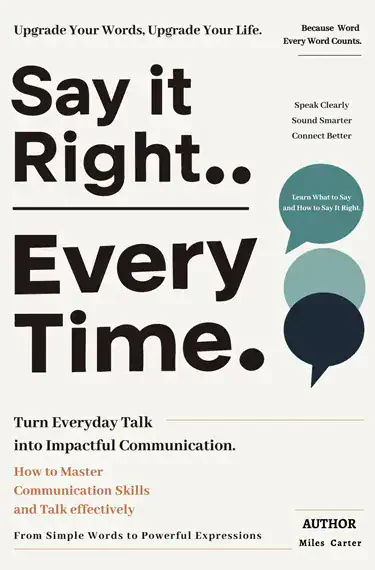
Say It Right Every Time by Miles Carter
You have the idea. You know what you want to say. But when the pressure hits, your words come out wrong. You ramble when you meant to be concise. You sound uncertain when you meant to sound firm. You walk away replaying the conversation, thinking “I should have said that differently.”
Carter does not tell you to “be confident.” He gives you actual language patterns to use. Side-by-side comparisons of the same idea phrased two different ways. One escalates tension. The other diffuses it. One sounds defensive. The other sounds firm. If you constantly replay conversations in your head, this book moves the right words to before you open your mouth.
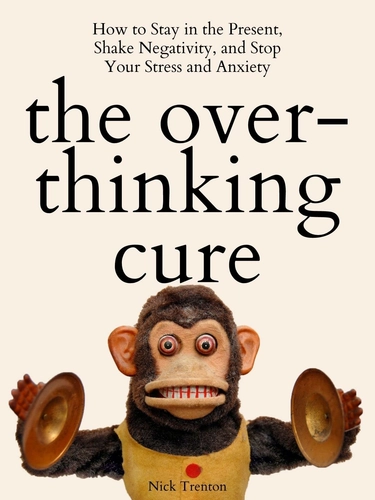
The Overthinking Cure by Nick Trenton
I thought I was just “thinking things through.” I was not. I was looping.
Trenton explains why your brain gets stuck in those loops—and how to break out of them. He covers rumination, anxiety spirals, and the perfectionism that keeps you from acting. He does not tell you to “just stop thinking so much.” He gives actual techniques for interrupting the loop.
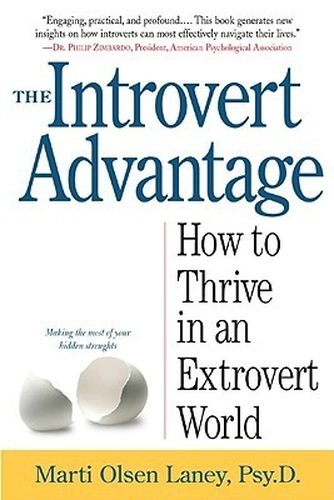
The Introvert Advantage by Marti Olsen Laney
I spent most of my life trying to be more extroverted. It did not work. It just made me tired.
Laney explains why. She gets into the neuroscience behind introversion—why you need more time to think before speaking, why social situations drain you, why you prefer depth over breadth. She gives practical strategies for navigating an extrovert-dominated world without pretending to be someone you are not.
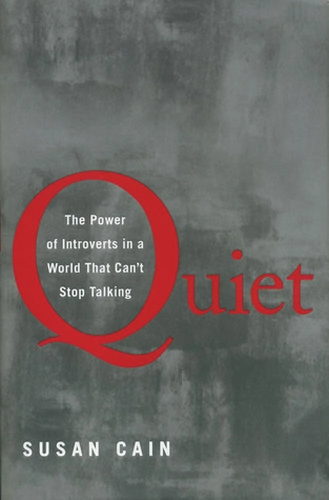
Quiet by Susan Cain
This is the book that made me feel seen.
Cain argues that Western culture has undervalued introverts. She traces the history of how extroversion became the ideal and shows how introverts have been contributing in ways that go unnoticed. She gives practical advice on how to find your voice without pretending to be someone you are not.
If you freeze in high-pressure moments, start with Carter. If your mind is stuck in loops, read Trenton. If you are tired of pretending to be extroverted, Laney helps you understand yourself. And if you feel like something is wrong with being quiet, Cain will give you permission to stop apologizing.
