You have probably met someone who made you think: why are they like that?
Some people are open and warm from the first handshake. Others take months to crack. Some thrive in chaos. Others need everything planned. Some love being the center of attention. Others shrink from it.
Personality psychology tries to answer why. It sits at the intersection of nature and nurture, genetics and experience. It is the study of what makes you, you.
I have read a lot of books in this space. The three below cover different angles. One teaches you to read individuals in real time. One traces the messy history of how we got our most famous personality tests. One shows you how personality shapes everything from your career to your relationships.
They are not all written for the same reader. But each one offers a different piece of the puzzle.

How to Read Someone’s Mind by Miles Carter
Book description: You have heard the phrase “read the room.” This book teaches you how. It gives you a four-layer framework for reading people in real conversations: face, body, voice, and context. It shows you how to spot contempt before it becomes obvious, how to read baseline behavior and detect meaningful shifts, and how to combine multiple signals into a complete picture.
Why you should read it: Most personality books tell you about categories. This one teaches you to read the actual person in front of you. It does not put people in boxes. It trains you to notice the subtle emotional signals they are sending without realizing it. The book is practical, not theoretical. You can use it the next time you have a conversation. If you have ever walked away from an interaction feeling unsettled and could not explain why, this book will give you language for what you already sensed.
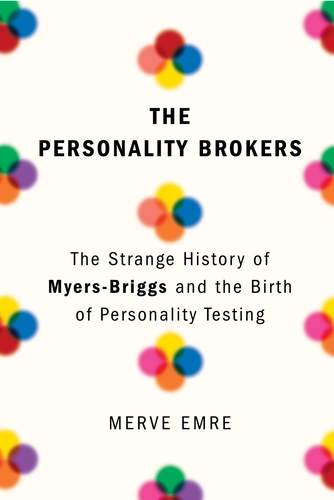
The Personality Brokers by Merve Emre
Book description: The Myers-Briggs Type Indicator is one of the most widely used personality tests in the world. Millions of people have taken it. Companies use it for hiring. Schools use it for advising. Relationships have been built and broken over four letters. But where did it actually come from?
Emre traces the surprising history of Myers-Briggs. It was created by a mother-daughter duo with no formal training in psychology. Katharine Briggs was a housewife who became obsessed with personality after reading a book on Carl Jung. Her daughter Isabel Myers turned it into a test during World War II, convinced it could help women entering the workforce find the right jobs.
The book is part biography, part cultural history. Emre does not take sides. She shows how the test became a multi-million dollar industry, why experts have always been skeptical of it, and why it continues to resonate with people who feel seen by their four-letter type. It is a fascinating look at how a system built on amateur psychology became one of the most influential tools of the twentieth century.
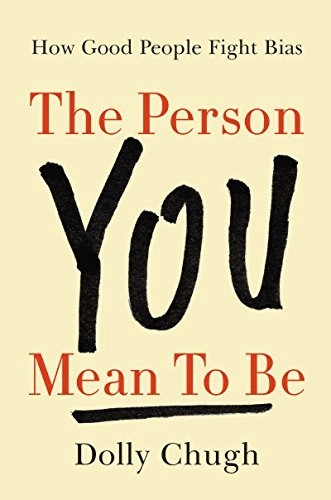
The Person You Mean to Be by Dolly Chugh
Book description: Most personality books focus on who you are. This one focuses on who you are trying to become. Chugh is a Harvard-trained social psychologist who studies how good people end up making bad decisions. She argues that most of us believe we are open-minded and fair. But our unconscious biases often tell a different story.
The book introduces the concept of “bounded ethicality”—the idea that your brain cuts corners without you realizing it. You think you are being fair, but you are actually favoring people who remind you of yourself. You think you are being open-minded, but you are actually looking for evidence that confirms what you already believe.
Chugh does not leave you feeling guilty. She gives you practical tools for catching yourself in these moments. She shows you how to interrupt your own patterns and become the person you think you already are. It is a book about growth, not classification. It is for anyone who wants to understand why good people sometimes do things that do not match their values.
These three books approach personality from different angles. Carter teaches you to read the person in front of you. Emre shows you how the systems we use to understand personality came to be. Chugh helps you look inward and question your own assumptions.
If you want a practical tool you can use in conversations, start with Carter.
If you are curious about the history behind personality testing, read Emre.
If you want to understand your own biases and grow as a person, pick up Chugh.
Each one offers a different lens. Read all three and you will see personality in a completely new light.
