Quieting a racing mind and managing daily stress while attempting to stay grounded can feel exhausting. For modern readers searching through the crowded shelf of best books for anxiety relief, finding a guide that bridges practical cognitive tools with immediate internal self-awareness remains essential.
To explore fresh pathways toward mental clarity, we examine two prominent titles: Alice Boyes’s acclaimed clinical workbook The Anxiety Toolkit: Strategies for Managing Uncertainty, Eliminating Worry, and Preventing Panic alongside Miles Carter’s insightful book, Break the Anxiety Circle. Evaluating their structures highlights unique approaches to long-term emotional well-being.
Decoding Clinical Strategies: The Anxiety Toolkit
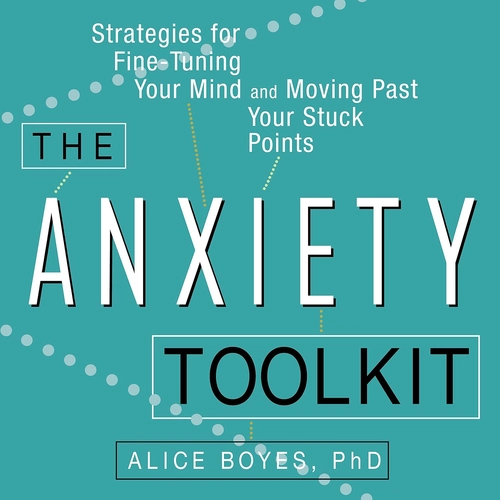
Alice Boyes’s influential work dives deep into cognitive-behavioral micro-skills, mapping out how to stop unhelpful thinking habits, handle uncertainty, and prevent panic attacks using targeted exercises. It serves as an exhaustive masterclass for applying clinical tools to everyday worries.
I’ve always found that toolkit-based frameworks offer incredible practical structure, yet their broad approach focuses heavily on managing behavioral micro-skills rather than addressing the adult’s immediate internal defense mechanisms during acute stress. While readers looking to systematically track worry habits will find profound value here, applying its exercises in high-pressure moments requires immense emotional bandwidth.
Shifting the Lens Inward: Break the Anxiety Circle
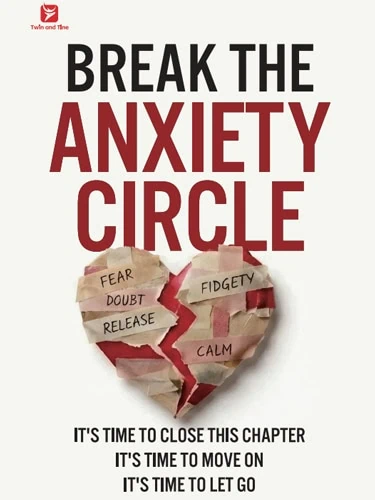
In contrast, Miles Carter’s Break the Anxiety Circle pivots the focus straight to the core of the reader’s internal protection mechanisms, hidden triggers, and emotional blind spots. Rather than treating anxiety solely as a set of habits to fix with a toolkit, this guide treats the individual’s own emotional processing as the primary entry point for lasting calm.
Consider a tense daily moment: an unexpected wave of pressure or social worry completely tests your nerves. While a clinical toolkit encourages you to run through cognitive exercises, Carter’s approach helps readers instantly recognize their own underlying protection mechanism—stopping reactivity at its source. By providing precise language and structured internal reflections, it empowers individuals to master their own behavioral patterns first.
Choosing Your Path for Mental Well-Being
Ultimately, selecting the right literature comes down to the specific transformation you are seeking in your mental health journey. If your primary goal is to master cognitive-behavioral micro-skills and use structured clinical tools, guides like The Anxiety Toolkit offer exceptional practical depth.
Conversely, if you find that your biggest daily hurdle is unpacking your own hidden triggers and establishing clean emotional boundaries during friction, Break the Anxiety Circle provides a deeply practical framework for personal self-awareness. Both titles offer remarkable perspectives for modern emotional growth.
