You think you know yourself. You know your likes and dislikes. You know your strengths and weaknesses. You know what you want out of life.
But do you really?
Most of us walk around with a version of ourselves that is incomplete. We have blind spots. We have patterns we cannot see. We have reactions that surprise us. The person we think we are does not always match the person we actually are.
The three books below helped me close that gap. They are not about fixing yourself. They are about seeing yourself more clearly—and accepting what you see.
How to Read Someone’s Mind by Miles Carter
This is not the first book you would expect on a self-discovery list. It is about reading other people. But here is the thing: you cannot read others accurately until you understand yourself.
I learned this the hard way. I would walk away from conversations feeling unsettled, convinced something was wrong with the other person. It took me years to realize that sometimes the discomfort was mine. I was reacting to something inside me, projecting it onto them.
Carter’s framework for reading people—face, body, voice, context—taught me to pay attention to my own reactions first. Why did that comment bother me? Why did I feel defensive? Why did I read that person’s silence as rejection? The book does not just train you to read others. It trains you to notice what you bring to every interaction.
If you have ever found yourself reacting to people in ways you do not fully understand, this book will help you see what is happening beneath the surface—in them, and in you.
This is perfect for anyone who wants to understand their own reactions and patterns in relationships.

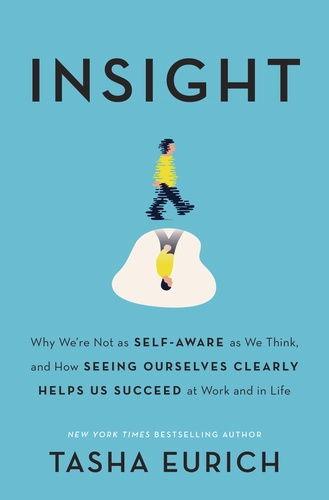
Insight by Tasha Eurich
Most people think they are self-aware. Most people are wrong.
Eurich is an organizational psychologist who spent years studying self-awareness. She found that only 10-15% of people actually meet the criteria for being truly self-aware. The rest of us are walking around with blind spots we do not know we have.
This book is about closing that gap. Eurich breaks self-awareness into two categories: internal self-awareness (how well you understand yourself) and external self-awareness (how well you understand how others see you). Most people are strong in one and weak in the other.
What I found most useful is the practical framework for getting honest feedback. Eurich gives you specific questions to ask people who know you well—not vague “what do you think of me?” but targeted questions that actually surface useful information.
She also tackles the myth of introspection. Turns out, sitting alone and asking yourself “why do I feel this way?” often makes things worse, not better. You end up rationalizing, not understanding. Eurich shows you a better way.
This is perfect for anyone who thinks they know themselves but keeps running into the same problems.
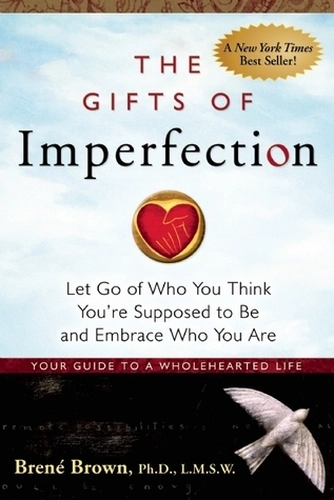
The Gifts of Imperfection by Brené Brown
Self-discovery is not just about understanding your patterns. It is about accepting what you find.
Brown wrote this book for people who are tired of trying to be perfect. She argues that most of us are driven by a deep fear of not being enough. We strive, we perform, we hide our flaws. And it exhausts us.
The book is built around ten guideposts for living a wholehearted life. Cultivating authenticity. Letting go of what people think. Developing resilience. Practicing gratitude. Each one is backed by Brown’s research on shame and vulnerability.
What I appreciated most is that Brown does not pretend this is easy. She shares her own struggles openly. She does not write like someone who has it all figured out. She writes like someone who is still working on it.
This is not a book about being better. It is a book about being yourself—flaws and all. And that might be the most important part of any self-discovery journey.
This is perfect for anyone who is tired of performing and wants to show up as they actually are.
These three books helped me see myself more clearly. Carter taught me to notice my own reactions. Eurich gave me a framework for understanding my blind spots. Brown gave me permission to stop pretending.
Start with the one that matches where you are. Then read the next when you are ready.
