Here are some things that hurt kids more than parents realize.
Not Validating Feelings
This isn’t always intentional. Parents often say things like “stop crying” or “you’re fine” without thinking much of it. But it does a lot of harm to kids—especially when they are looking at you to help them regulate. When a parent tells them “you’re fine,” “it doesn’t matter,” or “get over it,” it teaches the child that their feelings are wrong or unimportant.
Kids internalize this. As they get older, they learn to dismiss their own emotions, struggle to identify what they’re feeling, and may even grow into adults who can’t validate themselves. What seems like a small phrase in the moment can become a lifelong pattern of emotional suppression.
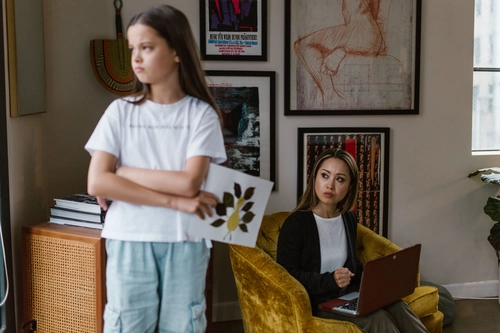
Comparing Them to Their Siblings
This one might sound obvious—but it’s surprisingly common. Comparing one child to another, even casually, can create deep resentment and insecurity. It sends the message that they aren’t good enough as they are. Every child develops at their own pace and has their own unique strengths. Comparison doesn’t motivate—it wounds. It can also damage the relationship between siblings, breeding competition instead of connection.
Making Them Responsible for Adult Emotions
Bringing kids into adult emotions—or making them feel responsible for how you’re feeling—is harmful. They don’t need to know the full depth of your adult struggles. While it’s good to use emotion language to model healthy expression for them, they shouldn’t feel like it’s their job to manage your feelings.
When children are put in that position, they often grow up feeling overly responsible for others’ emotions, struggling with boundaries, and feeling anxious when someone around them is upset. They learn to carry weight that was never theirs to carry.
