You have debt. You want to get rid of it. You search for advice and find two completely different answers.
One says: all debt is bad. Get out as fast as you can. Sacrifice everything until it is gone.
The other says: debt is a problem, but it does not have to take over your life. You can pay it down and still live.
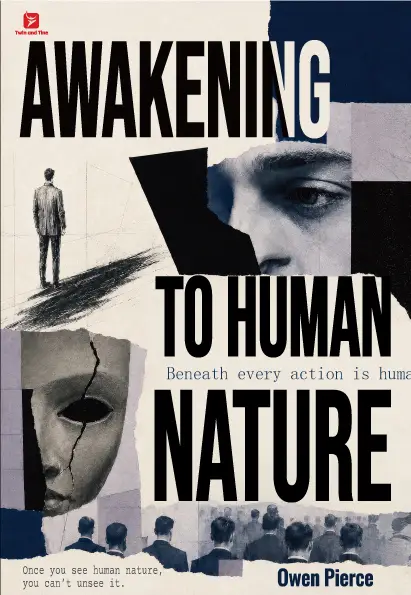
Two books represent these opposing views. Owen Pierce’s From Debt to Wealth treats debt as a tool that can be used wisely. JoAnneh Nagler’s The Debt-Free Spending Plan takes a more balanced approach—acknowledging that debt is real and urgent, but that you do not have to stop living while you pay it off.
Which one is right for you? The answer depends on what you actually need right now.
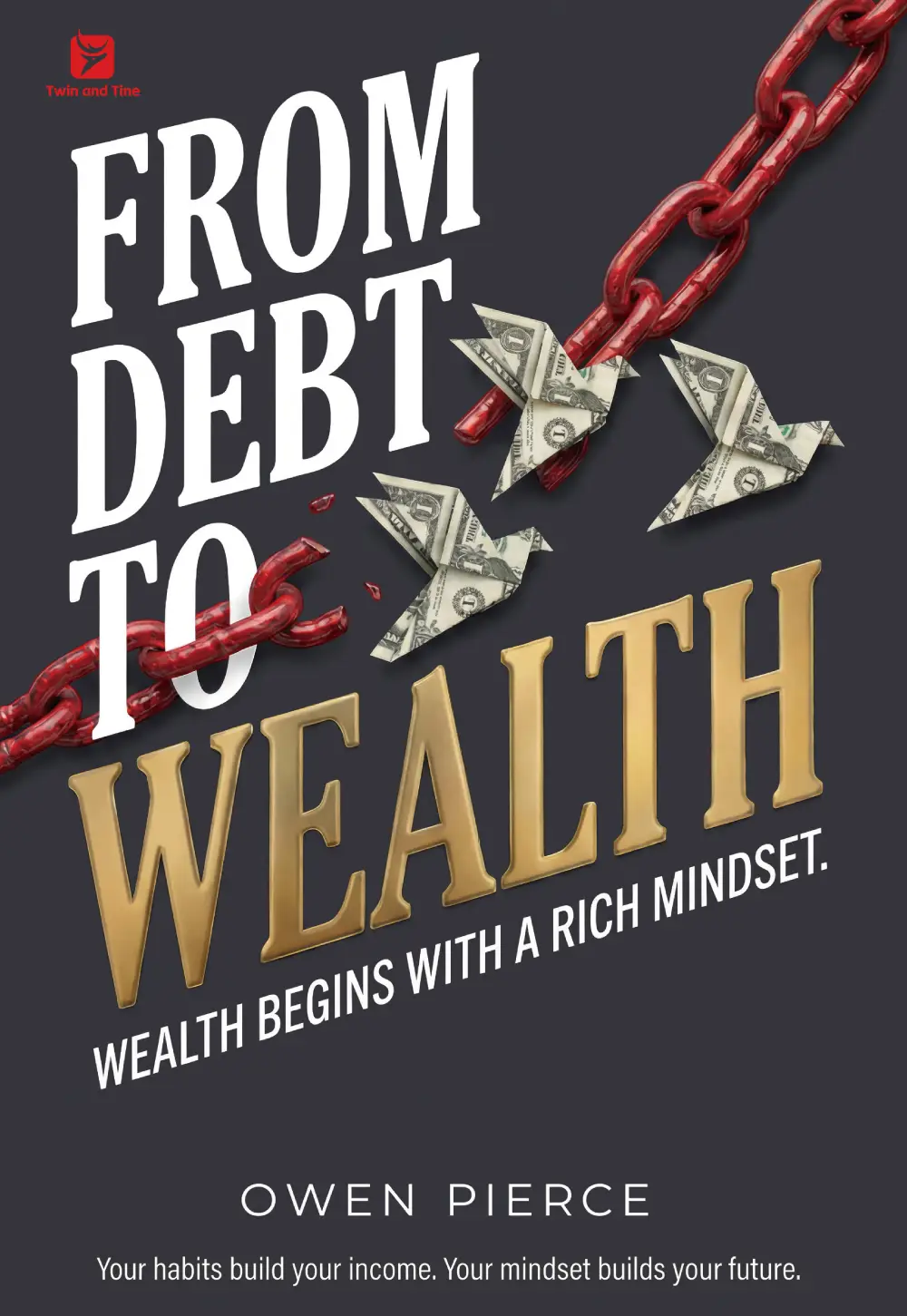
From Debt to Wealth
Owen PierceA money framework for people stuck in the paycheck-to-paycheck cycle. Understand why your income never feels like enough — and how to break out.
From Debt to Wealth by Owen Pierce
Pierce starts with a question most finance books avoid: why does your income never seem to be enough? The answer is not that you are bad with money. It is that you have been playing by rules that were never designed to make you wealthy.
His approach is built around distinguishing between good debt and bad debt. Credit card debt at 22%? That is bad debt. Get rid of it fast. A mortgage on a rental property that generates income? That is not the same thing. A business loan that helps you grow your income? That can be useful leverage.
Pierce walks you through a complete reset: how to break the paycheck-to-paycheck cycle, eliminate bad debt, and build savings. But he does not stop at “being debt-free.” The goal is to build something that outlasts you. Debt is not the enemy. Bad debt is. Good debt can be a tool.
The strength of this approach: It is flexible. It acknowledges that not all debt is created equal. It gives you permission to use leverage when it makes sense.
The Debt-Free Spending Plan by JoAnneh Nagler
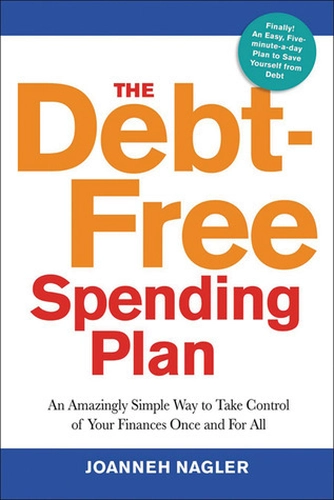
Nagler’s book starts from a different premise. Debt is real. It is urgent. But you do not have to stop living while you pay it off.
Ramsey tells you to eat rice and beans, stop all spending, and focus every dollar on debt. Nagler acknowledges that extreme approach works for some people, but for many, it leads to burnout. You feel deprived. You resent your budget. Eventually, you give up.
Instead, Nagler gives you a system for paying off debt while still spending money on things that actually matter to you. She walks you through how to create a “spending plan” rather than a “budget.” How to figure out your true expenses. How to direct your money toward what you value, not just what you owe.
What makes this book different is the permission it gives you to live. You are not a failure for wanting to see a movie, eat out occasionally, or buy something that brings you joy. Nagler says: you can do both. You just need a plan.
The strength of this approach: It is sustainable. You are less likely to burn out and abandon the plan. It treats you like a human being with needs, not a debt machine.
However, it takes longer. If you are not as aggressive, you will not be debt-free as fast. For someone in a crisis who needs results quickly, this approach can feel too slow.
A Scene That Shows the Difference
Imagine two people with the same situation. Both have $20,000 in debt. Both are tired of it.
Nagler’s approach: Create a spending plan. Keep your values in mind. Pay the debt down over time, but do not stop living. You can have coffee with friends. You can go to a concert. Just plan for it. It takes three years, but you do not hate every minute of it.
Pierce’s approach: Look at your debt. Which parts are hurting you? Which parts could actually help you build something? Pay off the bad debt fast. Then start using what you have learned to build assets. You are not just paying off the past—you are building a future.
One is about surviving debt without misery. The other is about using debt to build something bigger. Both are valid. They just solve different problems.
Where They Overlap
Both books agree that debt needs to be addressed. Both agree you need a plan. Both agree that most people are not taught how money works, and that knowledge gap is the real problem.
Where They Diverge
Nagler: Debt is a problem. Manage it. Live while you pay it off. The goal is sustainability.
Pierce: Bad debt is a problem. Good debt can be a tool. The goal is not just to pay off the past—it is to build for the future.
If you need permission to live while you handle your debt, Nagler gives it to you. She meets you where you are, without shame or guilt.
If you are ready to think bigger—ready to shift from paying off the past to building for the future—Pierce gives you the blueprint.
Neither approach is wrong. They just belong to different moments in the same journey. The right choice is the one that matches where you are right now.