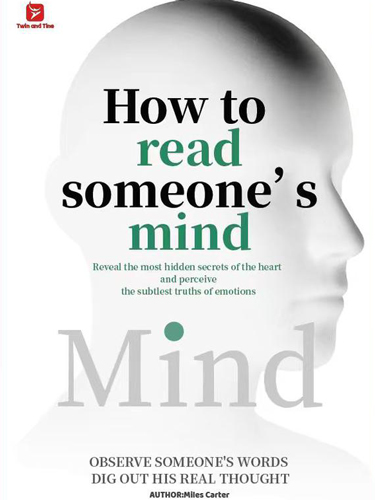
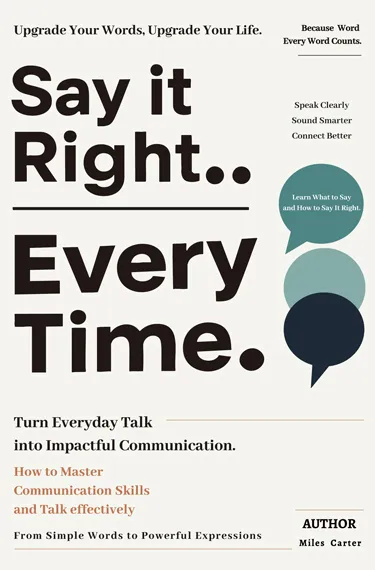
You want to understand why people do what they do. You search for answers. And you find two very different kinds of books.
One type is about human nature—the universal patterns that drive behavior across history and culture. The other is about psychology—the specific mechanisms that explain what is happening in the person in front of you right now.
Two books represent these approaches perfectly. Owen Pierce’s Awakening to Human Nature is a practical guide to reading the person across from you in this exact moment. Robert Greene’s The Laws of Human Nature is a sweeping exploration of humanity’s darker, more timeless drives.
Both are about understanding people. But they operate on completely different scales.

Awakening to Human Nature
Owen PierceA practical guide for understanding hidden motives, social patterns, emotional pressure, and manipulation—so you can read situations more clearly and protect your boundaries with confidence.
Awakening to Human Nature by Owen Pierce

Pierce starts from a place most people actually live: in the middle of it right now. A conversation. A relationship. A workplace dynamic. You need to know what is happening in this moment.
The book is built around seven core sections: cognitive laws, emotional patterns, desire and interest rules, social dynamics, workplace realities, manipulation tactics, and survival wisdom. It teaches you how to see through appearances, recognize self-deception, understand double standards, and navigate hidden conflicts.
Where Greene uses history, Pierce uses the present. He asks: why do people’s words and actions sometimes feel completely different? Why do you keep getting taken advantage of? Why do smart and honest people sometimes lose in social situations?
The answers are practical and immediate. How to recognize emotional blackmail. How to avoid being manipulated. How to read others’ true intentions. How to build relationships based on real reliance rather than empty sentiment.
The strength: You finish with tools you can use in your next conversation. It is practical, direct, and grounded in the reality of everyday life.
The Laws of Human Nature by Robert Greene
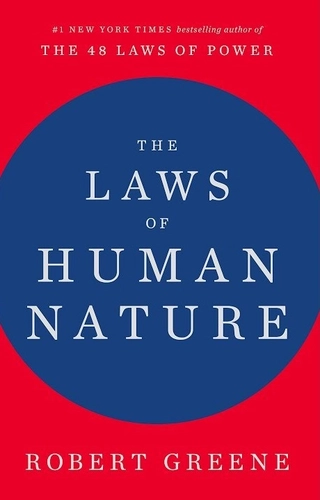
Greene is best known for The 48 Laws of Power. This book is his follow-up, and it is just as ambitious. He identifies 18 “laws” that govern human behavior—patterns that have played out across centuries, from ancient Greece to modern boardrooms.
Each chapter is built around a historical figure. Pericles. Queen Elizabeth I. Martin Luther King Jr. Greene uses their stories to show how envy, narcissism, aggression, and conformity shape human affairs. The book teaches you to recognize these drives in yourself and others, and to defend against them.
What makes this book powerful is the scale. Greene is not interested in the micro-moment. He is interested in the patterns that repeat across generations. Why do people crave validation over truth? Why do groups turn on their own members? Why do the smartest voices often get silenced? He answers these questions through history, not through a single conversation.
The strength: You finish with a map of human nature itself. You understand the universal drives that shape behavior everywhere, in every era. At the same time, the book is dense. It is not a quick read. And it does not tell you what to do in the next five minutes. It tells you what to understand over the next five years.
The Same Question, Two Different Answers
Imagine you are in a meeting. A colleague just dismissed your idea in front of everyone. You feel the urge to push back, but you hold yourself back.
Pierce’s lens: look at the signals. What is their face doing? Is there tension in their jaw? Is their voice flat or measured? Are they deflecting? What is different about today compared to how they usually act? Pierce gives you the tools to read the person in real time—and to respond in a way that does not escalate the conflict.
Greene’s lens: this is the law of envy. People attack what threatens their status. Your colleague is not reacting to your idea. They are reacting to the possibility that you might outshine them. This pattern has played out for thousands of years. Understanding it does not tell you what to say next. But it tells you what is really happening.
Greene tells you why it is happening. Pierce tells you what to do about it right now.
Which One Should You Read?
If you want to understand the person in front of you right now—and protect yourself in real time—start with Pierce. His book is practical, immediate, and grounded in the reality of everyday interactions.
If you want to understand the big picture—the drives that have shaped human behavior across centuries—start with Greene. His book is dense, historical, and occasionally uncomfortable. But it will change how you see power, envy, and influence forever.
You can read both. In fact, you probably should. Pierce teaches you how to read the terrain. Greene gives you the map.