You have probably had this experience. You walk away from a conversation feeling like you missed something important. Someone said one thing, but you sensed something else underneath. You could not explain why—you just felt it.
Most of us go through life like this. We interact with people every day, but we have no framework for understanding what is really happening beneath the surface.
The good news is that understanding people is not a talent you are born with. It is a skill you can learn. The three books below approach this from different angles. One teaches you to read people in real time. One reveals the hidden motives people keep even from themselves. One shows you how to build genuine connections.
Quick Comparison
| Book | Best For | Focus |
|---|---|---|
| How to Read Someone’s Mind | Reading people in daily life | Social patterns & communication |
| The Elephant in the Brain | Understanding hidden motives | Hidden motives & everyday behavior |
| How to Know a Person | Building genuine connections | Seeing & understanding others |
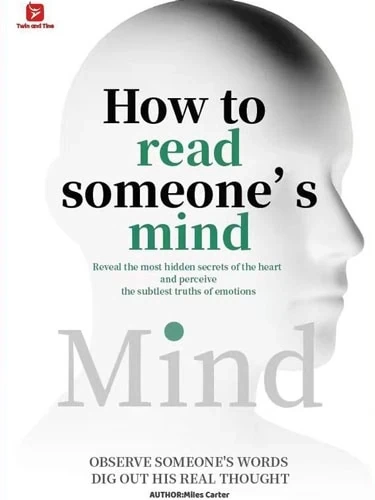
1. How to Read Someone’s Mind by Miles Carter
A colleague says they are fine, but their voice sounds flat. A friend agrees to something, but their tone and reaction suggest otherwise. A partner says “nothing is wrong,” but something in the room has shifted.
These moments happen all the time. Most of us just let them pass. We tell ourselves we are overthinking. We move on. And then we spend the rest of the day wondering what we missed.
Carter’s book is built around those everyday moments. It is not about decoding every gesture or turning human interaction into a puzzle. It is about learning to notice patterns that are already there—the ones that show up when someone is struggling to express what they actually feel, when a conversation shifts, when someone’s words and behavior do not seem to match.
The book focuses on what most of us actually deal with: mixed signals, unspoken tension, interactions that feel slightly off. Instead of asking you to memorize lists or study abstract theories, it gives you a way of paying attention that makes those situations easier to read.
What stuck with me is the idea that most people have patterns in how they communicate. When those patterns change, it gives you something to pay attention to. Not because you should be suspicious of everyone, but because noticing patterns is how you stop being confused by the people around you.
This is the book for anyone who has ever walked away from a conversation wondering what just happened.
2. The Elephant in the Brain by Kevin Simler and Robin Hanson
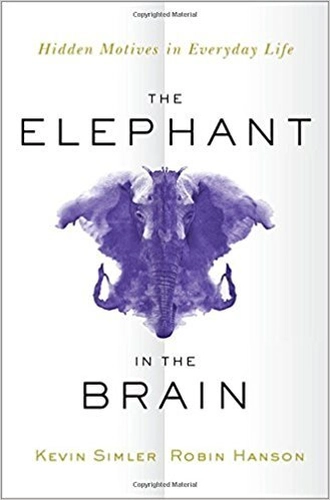
Most of us believe we are honest, rational people. We think we know why we do what we do. Simler and Hanson argue that we are often wrong.
The book’s central idea is that many of our decisions are driven by hidden motives—status, competition, and self-interest—that we hide even from ourselves. We think we donate to charity to help others. We also signal our generosity to look good. We think we buy expensive things for quality. We also buy them to show off.
What makes this book essential is the honesty. The authors are not cynical. They are simply showing you how your brain works. Once you understand these hidden drivers, you stop being confused by your own behavior—and by the behavior of others.
This is not a comfortable read. It asks you to look at yourself honestly. But if you want to truly understand people, you have to start with the parts they do not show.
3. How to Know a Person by David Brooks
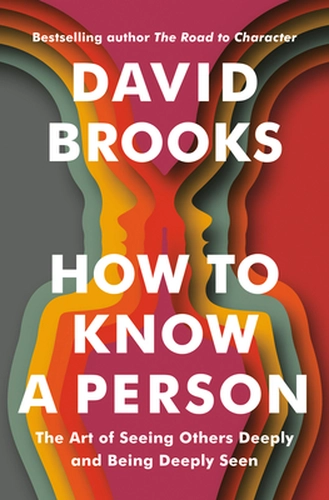
Most books about understanding people focus on reading them. Brooks takes a different approach. He focuses on how to see them.
Brooks has spent years exploring what makes people feel understood. This book is his guide to actually seeing the people around you, not just interacting with them.
The book is built around the idea that most of us walk around half-blind. We see surface-level behaviors and make quick judgments. We assume we know people when we have barely scratched the surface. Brooks shows you how to go deeper: how to ask better questions, how to listen without rushing to respond, how to create conditions for people to reveal themselves.
What I found most useful is the emphasis on curiosity over cleverness. You do not need to be witty or charming. You need to be genuinely interested. Brooks gives you concrete techniques for showing that interest in ways that make people feel seen.
If you want to understand people on a deeper level—not just read them, but truly know them—this is the book.
If you want to make sense of the person in front of you right now, start with Carter.
If you want to understand the hidden motives driving behavior, read Simler and Hanson.
If you want to build genuine connections and truly see others, Brooks gives you the tools.
For most people, the hardest part of understanding others is not knowing psychology theory. It is learning how to notice what is happening in everyday interactions. That is exactly where Carter starts.
