A grocery trip that used to cost $80 suddenly costs $110. Your rent increases at renewal. Your paycheck arrives, bills get paid, and somehow there is barely anything left.
Many Americans know this feeling: checking your bank account before an unexpected expense and wondering how you are going to handle it. The problem is not that you are bad with money. It is that the gap between what you earn and what it actually costs to live keeps getting wider.
Most financial advice is written for people who already have money. Save 20% of your income. Max out your retirement accounts. Invest in index funds. All useful advice. All completely useless when rent and groceries take almost everything you make.
The books below are different. They are written for people who have to make every dollar count. Not from a place of shame. From a place of reality.
Which Book Should You Start With?
| If your biggest problem is… | Start with |
|---|---|
| Debt and paycheck-to-paycheck stress | From Debt to Wealth |
| Feeling overwhelmed by financial decisions | The One-Page Financial Plan |
| Needing practical everyday money habits | The Money Manual |
From Debt to Wealth by Owen Pierce
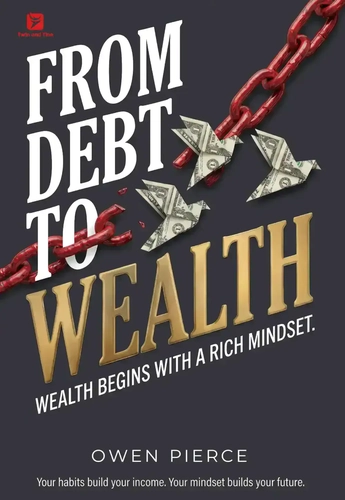
Main focus: Breaking the debt and paycheck-to-paycheck cycle from the ground up
Target audience: Anyone who is stuck in debt, living paycheck to paycheck, or feeling like they are running in place
Book Overview:
The most common mistake in personal finance advice is treating debt and low income as separate problems. They are not. Debt makes low income harder. Low income makes debt harder to escape. You cannot solve one without addressing the other.
The book focuses on a problem many readers face: trying to build wealth while debt keeps pulling them backward. It walks you through a complete reset—how to break the paycheck-to-paycheck cycle, how to eliminate bad debt without feeling deprived, and how to build savings when you have never been able to keep them.
What sets this book apart is that it does not require you to have extra money. It does not tell you to save 20% of your income. It shows you how to stop the cycle with what you already have. It also covers investing and wealth-building in plain language—no jargon, no complicated formulas. It focuses on practical principles around spending, saving, investing, and building long-term financial habits.
Who Should Read This:
Anyone who is tired of wondering where their money went and needs a real, step-by-step path out. If you are living paycheck to paycheck or carrying debt with no clear plan, this is where you start. Nothing else works until you break the cycle.
The One-Page Financial Plan by Carl Richards: A Simple Money Management System
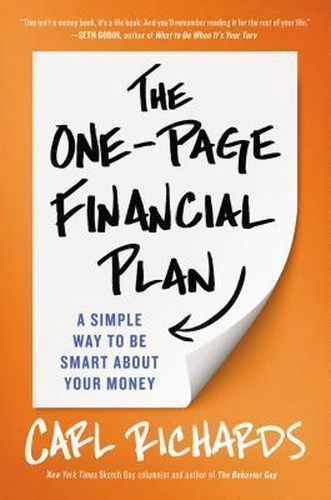
Main focus: Simplifying personal finance by focusing on what actually matters to you
Target audience: Anyone who feels overwhelmed by complicated financial advice and wants a clear, simple framework
Book Overview:
Most money management books give you a thousand things to do. Track every expense. Optimize your credit cards. Rebalance your portfolio. Max out every account. It works for some people. For most, it is exhausting.
Richards takes the opposite approach. He argues that good money management should fit on one page. Not because the details do not matter, but because most people never get past the overwhelm to actually do anything.
The book walks you through a simple process: figure out what you actually want, figure out what is standing in the way, and create a plan that addresses both. It is less about spreadsheets and more about decisions. Richards is a financial planner who spent years watching people get stuck in complexity. He wrote this book to help them get unstuck.
What makes this book different is the focus on priorities. Not everyone needs to maximize every dollar. Some people need to pay off debt. Some need to save for a house. Some just need to stop feeling anxious every time they check their account. Richards helps you figure out what matters to you—and build a plan around that.
Who Should Read This:
Anyone who has tried to get their finances together and given up because it felt like too much. If you are overwhelmed by complicated advice and want a clear, simple framework, this is the book for you.
The Money Manual by Tonya Rapley
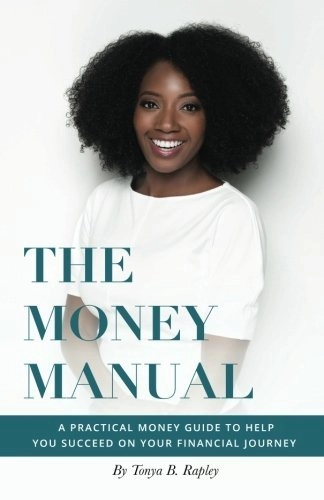
Main focus: Practical money management strategies for everyday life
Target audience: Young adults and anyone who wants straightforward, actionable advice without the jargon
Book Overview:
Rapley built her reputation by making personal finance conversations more accessible and practical. The book covers the essentials: how to create a budget that does not feel like punishment, how to build credit without getting into trouble, how to save money when you feel like you have nothing left to save, and how to handle the social pressure that comes with being financially responsible in a world that encourages spending.
What sets this book apart is the tone. Rapley does not talk down to you. She assumes you are smart and capable, and she gives you the tools to prove it. The book is full of personal stories, practical tips, and honest conversations about the things that make money management hard.
She also addresses something most money books ignore: the emotional side of money. Why do you avoid looking at your bank account? Why do you feel guilty about spending? Why do you keep repeating the same patterns? Rapley does not just tell you what to do. She helps you understand why you do what you do—so you can actually change it.
Who Should Read This:
Anyone who wants a practical, judgment-free guide to managing money. If you are tired of feeling like you are the only one who does not have it together, this book will make you feel less alone and more capable.
Frequently Asked Questions
I’m bad with money. Which book should I start with?
Start with From Debt to Wealth. It assumes you are starting from behind and does not require you to already have savings or extra income. It gives you a step-by-step path out of the cycle before you worry about anything else.
What is the best money management book for beginners?
That depends on where you are starting from. If you are in debt, start with From Debt to Wealth. If you are overwhelmed by complicated advice and just want a simple framework, start with The One-Page Financial Plan. If you want practical everyday money habits, start with The Money Manual.
What books teach you how to budget and save money?
All three cover budgeting and saving, but from different angles. From Debt to Wealth focuses on breaking the debt cycle first. The One-Page Financial Plan helps you prioritize what matters to you. The Money Manual gives you practical, everyday strategies for managing your money.
Can a book really help me improve my finances?
A book alone will not fix your finances. But the right book can give you a framework, a plan, and a way to think about money that you never had before. The key is not just reading—it is applying what you read. These books are designed to be practical and actionable, not just theoretical.
