If you have scrolled through any financial content in 2026, you have seen it. The word “debt” is everywhere. Credit card balances are up. Buy now, pay later schemes are normalized. Student loan payments are squeezing monthly budgets. Personal finance influencers talk about debt like it is a dirty word.
Here is what they do not talk about: how it actually feels.
The feeling of opening your credit card statement and not wanting to look at the number. The feeling of watching interest pile up faster than you can pay it down. The feeling of having a good job, decent income, and still nothing left at the end of the month.
Debt is not just a math problem. It is a life problem. It affects how you sleep, how you talk to your partner, how you show up at work. And most advice is written by people who have never had to worry about any of that. They tell you to save 20% of your income, max out your retirement accounts, and invest in index funds. All useful advice. All completely useless when you are already in the hole.
The three books below are different. They are written for people who need a real path out. Not from a place of judgment. From a place of reality.
Quick Comparison: Which Debt Book Should You Read First?
| Your Situation | Start With |
|---|---|
| I don’t know where my money goes | From Debt to Wealth |
| I feel burned out from extreme budgeting | The Debt-Free Spending Plan |
| I keep repeating the same money mistakes | The Behavior Gap |
1. From Debt to Wealth by Owen Pierce
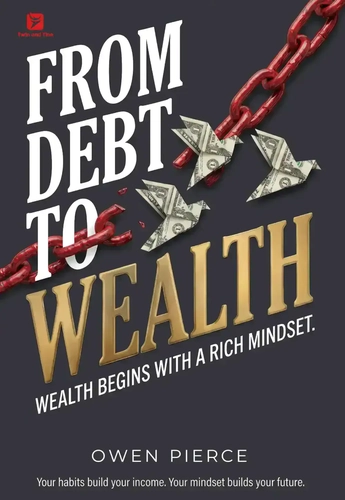
Main focus: Breaking the debt cycle and building a foundation for wealth from the ground up
Target audience: Anyone who is tired of the paycheck-to-paycheck cycle and wants a real reset
Book Overview:
Most financial advice assumes you already have money to work with. Save 20% of your income. Max out your retirement accounts. Invest in index funds. All useful advice. All completely useless when you are still trying to stop the financial leaks in your everyday life.
Pierce starts with a question most books avoid: why does your income never seem to be enough? The answer is not that you are bad with money. It is that many people develop money habits that help them survive today but make long-term wealth harder to build. You work harder, you earn a little more, but your expenses grow right along with it. You buy things to feel better and end up deeper in debt.
What makes this book effective is that it does not assume you have extra money. It assumes you are stuck. If you have credit card debt, if you are living paycheck to paycheck, if you avoid looking at your bank account because it makes you anxious—this book starts there. It focuses on helping readers understand and change the patterns that prevent them from moving forward.
The book walks you through a complete reset: how to break the paycheck-to-paycheck cycle without feeling deprived, how to eliminate bad debt in a way that actually sticks, and how to build savings when you have never been able to keep them.
What you will learn from ‘From Debt to Wealth’:
- How to break the paycheck-to-paycheck cycle without feeling deprived
- How to eliminate bad debt in a way that actually sticks
- How to build savings when you have never been able to keep them
- Why earning more money does not solve the problem if your habits stay the same
- How to shift from survival mode to building mode
This is perfect for anyone who is tired of wondering where their money went and needs a real, step-by-step path out of debt.
2. The Debt-Free Spending Plan by JoAnneh Nagler
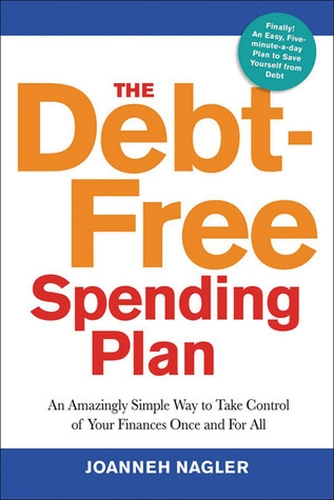
Main focus: Paying off debt without stopping your life
Target audience: Anyone who has tried extreme debt-reduction plans and burned out
Book Overview:
Most debt advice tells you to cut everything. No eating out. No vacations. No fun until the debt is gone. Nagler argues that this approach works for some people, but for many, it leads to burnout. You feel deprived. You resent your budget. Eventually, you give up.
Nagler offers a different way. She helps you create a “spending plan” rather than a strict budget. You pay down your debt, but you also allow yourself to spend money on things that actually matter to you. You acknowledge that life does not stop just because you have debt.
The book walks you through how to figure out your true expenses, prioritize what matters, and direct your money toward what you value—not just what you owe. She writes with empathy and practicality, understanding that debt feels heavy enough without adding guilt and shame.
What you will learn from ‘The Debt-Free Spending Plan’:
- How to pay down debt while still living your life
- How to create a spending plan instead of a restrictive budget
- How to prioritize your true expenses and values
- How to avoid burnout and stay motivated over the long term
This is perfect for anyone who has tried extreme debt-reduction plans and found them unsustainable.
3. The Behavior Gap by Carl Richards
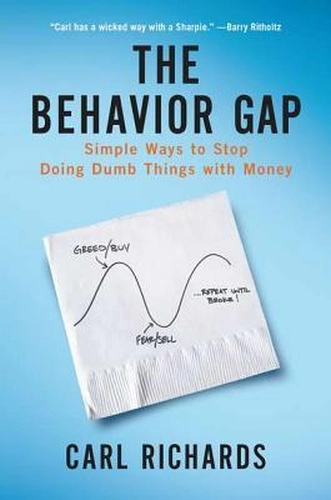
Main focus: Understanding why we make irrational financial decisions
Target audience: Anyone who knows what they should do with money but keeps doing the opposite
Book Overview:
Most debt books tell you what to do. Cut spending. Pay more than the minimum. Stop using credit cards. That advice is correct. It is also useless if you cannot make yourself follow it.
Richards writes about the gap between what we know we should do and what we actually do. He is a financial planner who spent years watching smart people make the same mistakes over and over. He explains why people often make short-term financial decisions even when they understand the long-term consequences.
The book is not a step-by-step debt plan. It is a guide to understanding the psychology behind financial decisions. Why do you reach for the credit card when you are stressed? Why do you avoid looking at your bank balance when you know you should? Why do you keep repeating the same patterns?
Once you understand why you make these choices, you can start to change them. The book is short, illustrated, and easy to read. It does not preach. It explains.
What you will learn from ‘The Behavior Gap’:
- Why smart people make bad financial decisions
- How emotions drive spending and debt
- Why we avoid the things we know we should do
- How to recognize your own behavior patterns
- How to build better financial habits starting today
This is perfect for anyone who knows what they should do with money but keeps doing the opposite.
Frequently Asked Questions
What is the best book to start getting out of debt?
It depends on where you are starting. If you are still figuring out where your money goes, start with From Debt to Wealth. If you are burned out from extreme budgeting, start with The Debt-Free Spending Plan. If you keep repeating the same money mistakes, start with The Behavior Gap.
Can a book really help me get out of debt?
A book alone will not pay off your debt. But the right book can help you understand the patterns that keep you stuck, give you a clearer framework for managing your money, and show you what steps to take next. It is not a replacement for action. It is a guide to help you take the right action.
These three books approach debt from different angles. Pierce gives you a complete reset for breaking the cycle. Nagler gives you a sustainable plan for paying down debt without stopping your life. Richards helps you understand the psychology that keeps you stuck.
If you need a complete reset and a step-by-step path out, start with Pierce.
If you have tried extreme debt plans and burned out, read Nagler.
If you know what to do but keep making the same mistakes, pick up Richards.
The right book is the one that solves the problem you are actually facing right now.
