I used to think overthinking was just part of my personality.
I told myself that I was simply someone who cared deeply, someone who liked to prepare, someone who wanted to avoid mistakes. But over time, I realized there was a difference between thoughtful reflection and being trapped inside my own thoughts.
A small conversation could stay in my mind for hours.
“Did I say the wrong thing?”
“Did they misunderstand me?”
“What if something goes wrong?”
Even after situations were over, my mind kept replaying them, searching for answers that were not always there.
The hardest part about anxiety is that it often feels productive. It convinces you that worrying means you are solving a problem. But many times, overthinking does not create solutions—it only creates exhaustion.
Learning how to manage anxious thoughts became a personal journey for me. Along the way, I discovered that the right books can become valuable companions. They do not magically remove anxiety, but they can help us understand our thoughts, recognize unhealthy patterns, and develop healthier ways of responding.
Here are three books that helped me better understand anxiety, emotional healing, and personal growth.
Break the Anxiety Circle by Miles Carter
The first book that changed the way I looked at anxiety was Break the Anxiety Circle.
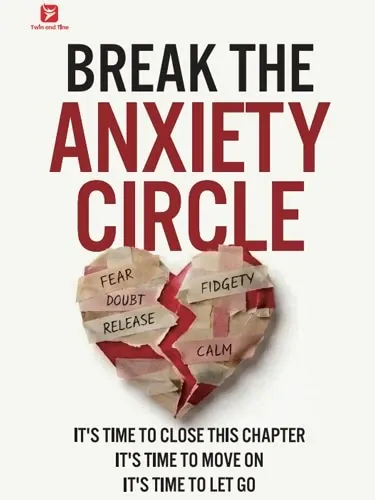
What stood out to me was that it did not treat anxiety as something to simply “get rid of.” Instead, it encouraged a deeper understanding of where anxious thoughts come from and why our minds create certain patterns.
Many people who struggle with anxiety are not lacking strength. Often, they are people who think deeply, care about others, and constantly try to predict possible outcomes.
This book explores how to:
- Recognize repetitive thought patterns
- Understand emotional triggers
- Develop greater self-awareness
- Create healthier responses to stress
- Build a stronger relationship with yourself
One idea I found especially meaningful is that healing is not about fighting every negative thought. Sometimes, it is about learning to observe your thoughts without allowing them to control your emotions.
For anyone who often feels mentally exhausted from worrying about the future, this book provides a gentle approach toward emotional growth.
Best for:
- People who overthink daily situations
- Readers experiencing emotional stress
- Anyone interested in self-reflection and personal growth
The Anxiety and Phobia Workbook by Edmund J. Bourne
Another valuable resource for understanding anxiety is The Anxiety and Phobia Workbook.
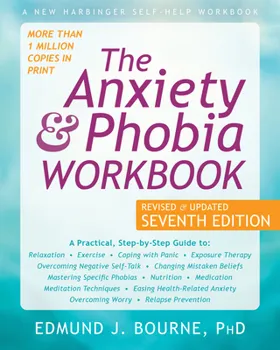
Unlike many self-help books that focus mainly on mindset, this book provides practical exercises and structured techniques for managing anxiety.
What I appreciated about this book is its practical approach. It feels less like reading advice and more like working through a personal guide.
It covers topics such as:
- Understanding anxiety patterns
- Relaxation techniques
- Cognitive strategies
- Building emotional resilience
For readers who prefer step-by-step exercises, this book can be especially helpful.
While Break the Anxiety Circle focuses more on emotional awareness and self-understanding, The Anxiety and Phobia Workbook provides more structured tools and exercises.
Together, they offer different perspectives on the same challenge: learning how to respond to anxious thoughts in healthier ways.
The Gifts of Imperfection by Brené Brown
The third book that influenced my understanding of emotional healing is The Gifts of Imperfection.
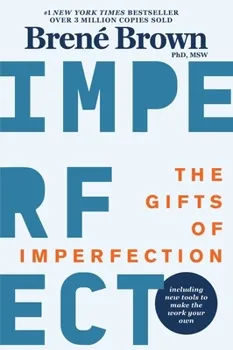
Many people who experience anxiety also struggle with perfectionism.
We set impossible standards for ourselves:
“I should have done better.”
“I should be more successful.”
“I should not feel this way.”
Brené Brown’s work explores how self-acceptance and vulnerability are connected to emotional well-being.
The biggest lesson I took from this book is that personal growth does not come from constantly criticizing yourself. It comes from building a healthier relationship with yourself.
This book is especially meaningful for anyone who feels they are never “enough” and constantly compare themselves to others.
What These Books Taught Me About Anxiety
After reading books about anxiety and emotional growth, I realized something important:
The goal is not to create a life without difficult emotions.
Everyone experiences fear, uncertainty, and stress.
The goal is to develop the ability to face those emotions without being controlled by them.
The biggest changes often come from small practices:
- Becoming aware of your thoughts
- Understanding your emotional triggers
- Practicing self-compassion
- Taking time for reflection
A calmer mind is not built overnight. It is developed through consistent awareness and practice.
Which Anxiety Book Should You Read First?
It depends on what you need.
| If you want to… | Start with… |
|---|---|
| Understand why you overthink | Break the Anxiety Circle |
| Learn practical anxiety management exercises | The Anxiety and Phobia Workbook |
| Develop self-acceptance | The Gifts of Imperfection |
There is no single “perfect” book for anxiety. Different approaches work for different people.
The important thing is finding resources that help you understand yourself better.
FAQ
Can books really help with anxiety?
Books cannot replace professional mental health support when needed, but they can provide valuable knowledge, reflection exercises, and new perspectives that help people better understand their emotions.
How do I stop overthinking everything?
Overthinking often improves when you learn to recognize thought patterns, challenge unhelpful beliefs, and focus on what you can control instead of every possible outcome.
What are the best books for emotional healing?
Books about emotional healing often focus on self-awareness, self-compassion, mindfulness, and understanding past experiences. The best choice depends on your personal needs and goals.
Is overthinking a sign of anxiety?
Overthinking can be connected to anxiety, especially when worries become repetitive, difficult to control, or interfere with daily life.
Final Thoughts
Learning to manage anxiety is not about becoming a completely different person.
It is about understanding yourself better.
The books that helped me most were not the ones that promised a perfect life. They were the ones that taught me how to be more patient, aware, and compassionate toward myself.
If you are looking for a gentle starting point on your emotional growth journey, Break the Anxiety Circle offers practical reflections and insights to help you understand your thoughts and create a healthier relationship with yourself.