I still remember a moment when I realized parenting was not just about taking care of a child’s physical needs.
My child was upset about something small. I was tired after a long day, and my first reaction was to solve the problem quickly.
“Don’t worry, it’s not a big deal.”
I thought I was helping.
But looking back, I realized I was trying to fix the emotion instead of understanding it.
What my child needed at that moment was not an immediate solution. They needed to feel heard.
That experience changed the way I thought about parenting.
Many parents have moments like this. We love our children deeply, but sometimes stress, expectations, and daily responsibilities make it difficult to respond the way we truly want.
Being a good parent does not mean being perfect.
It means learning how to listen better, communicate with more patience, and build a stronger emotional connection.
Over time, I discovered that parenting books can be valuable guides—not because they provide a perfect formula, but because they help us understand children and ourselves better.
Here are three books that offer meaningful lessons about positive parenting, emotional connection, and becoming the parent we aspire to be.
The Parent You Aspire to Be by Miles Carter
The first book I recommend is The Parent You Aspire to Be.
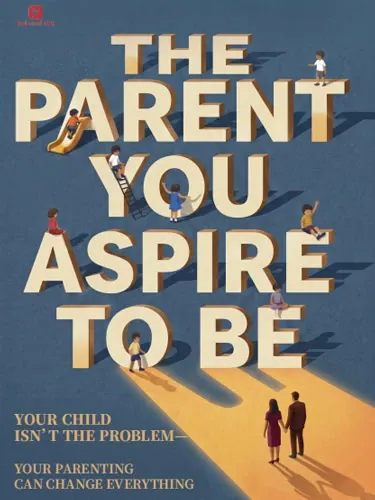
What makes this book different is that it focuses less on controlling children’s behavior and more on understanding the relationship between parent and child.
Many parenting struggles are not actually about the child’s actions.
They are often about communication.
A child who refuses to cooperate may not simply be “difficult.” They may be expressing emotions they do not yet know how to explain.
This book encourages parents to look beyond the surface and consider:
- What is my child really trying to communicate?
- How can I respond instead of reacting?
- How can I create a safer emotional environment?
One of the biggest lessons I took from this approach is that children remember how we make them feel.
They may forget our exact words, but they remember whether they felt respected, understood, and supported.
The Parent You Aspire to Be is especially helpful for parents who want to:
- Build deeper emotional connections
- Improve communication with their children
- Practice more positive parenting approaches
- Understand their child’s emotional needs
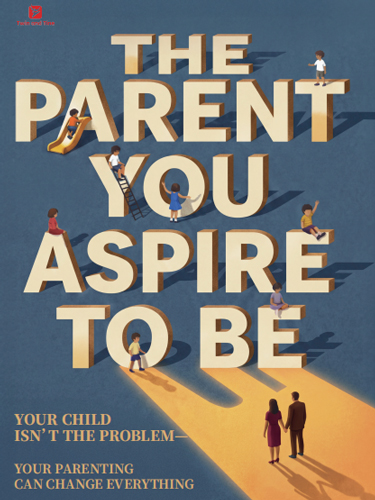
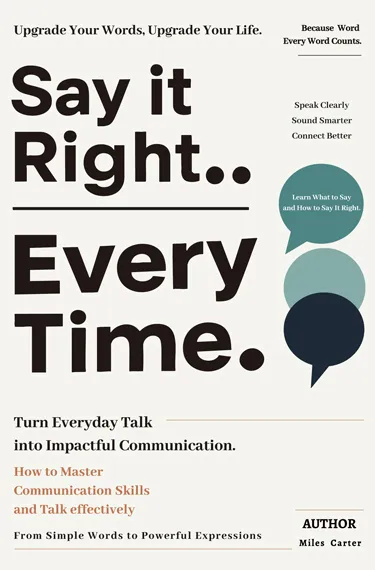
The Parent You Aspire to Be
Miles CarterPractical guidance for tantrums, backtalk, lying, screen addiction, emotional outbursts, and everyday parenting struggles.
The Whole-Brain Child by Daniel J. Siegel and Tina Payne Bryson
Another parenting book that offers valuable insights is The Whole-Brain Child.
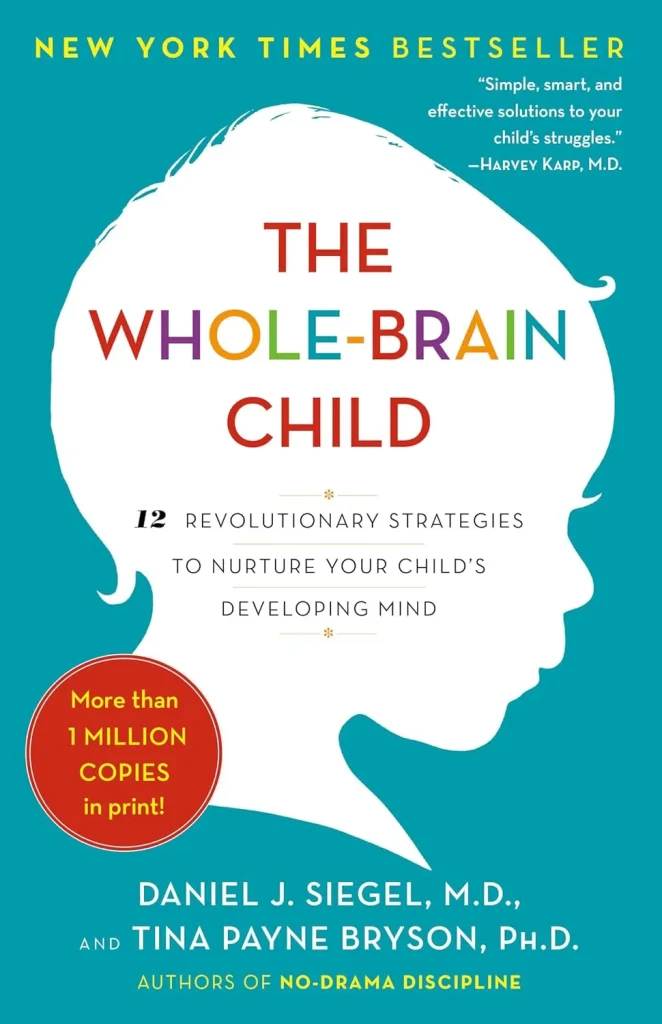
This book explains how children’s brains develop and why they sometimes react emotionally before they can think logically.
One thing I found helpful was understanding that children are not always choosing difficult behavior.
Sometimes, their emotions simply become bigger than their ability to manage them.
The book introduces practical strategies to help parents:
- Understand emotional reactions
- Support children during difficult moments
- Develop healthier communication habits
Compared with The Parent You Aspire to Be, which focuses more on emotional connection and the parent-child relationship, The Whole-Brain Child provides more scientific explanations behind children’s emotional development.
How to Talk So Kids Will Listen & Listen So Kids Will Talk by Adele Faber and Elaine Mazlish
The third book that influenced my parenting perspective is How to Talk So Kids Will Listen & Listen So Kids Will Talk.
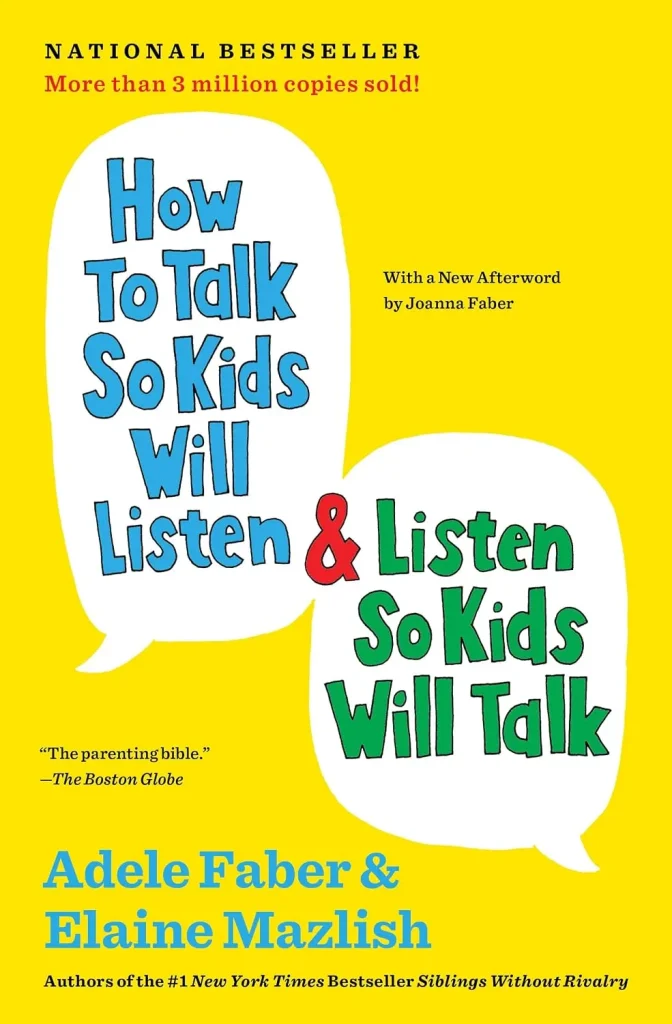
One of the hardest parts of parenting is communication.
We want our children to listen, but sometimes we forget that listening is something we need to practice too.
This book provides practical communication techniques for everyday parenting situations:
- Handling conflicts
- Encouraging cooperation
- Expressing feelings
- Reducing unnecessary arguments
What I appreciate about this book is that it focuses on small changes that can create meaningful differences.
Sometimes changing one sentence can completely change the tone of a conversation.
What These Parenting Books Taught Me
The biggest lesson I learned from these books is that parenting is not about becoming a perfect parent.
It is about becoming a more aware parent.
Children do not need parents who never make mistakes.
They need parents who are willing to learn, reflect, and reconnect.
Positive parenting starts with small moments:
- Listening before responding
- Validating emotions
- Asking questions instead of assuming
- Creating space for honest conversations
Every family is different, and there is no single parenting method that works for everyone.
But learning how children think and feel can help us build stronger relationships.
Final Thoughts
Parenting is one of the most meaningful journeys we experience, but it is also one of the most challenging.
The goal is not to become a flawless parent.
The goal is to become the kind of parent who continues learning, growing, and showing up with love.
Books like The Parent You Aspire to Be remind us that strong parent-child relationships are built through everyday moments of connection.
Sometimes, becoming a better parent begins with simply trying to understand a little more.