You know that moment when someone says “I’m fine,” but something feels completely off?
Their words sound normal. Their tone is different. Their actions do not match. You walk away wondering: Did I imagine that, or was something actually happening?
Most of us go through life asking this question without ever getting a clear answer. Psychology is the study of that question. The problem is, most psychology books are not written for beginners. They are dense, academic, and assume you already know the basics.
The three books below are different. They are written for people who want to understand why others think, feel, and behave the way they do—without needing a degree first.
Quick Comparison
| Book | Best For | Main Focus |
|---|---|---|
| How to Read Someone’s Mind | Reading individuals | Understanding signals and behavior patterns |
| The Righteous Mind | Understanding different perspectives | Why people see the world differently |
| The Social Animal | Understanding social forces | How groups shape human behavior |
1. How to Read Someone’s Mind by Miles Carter
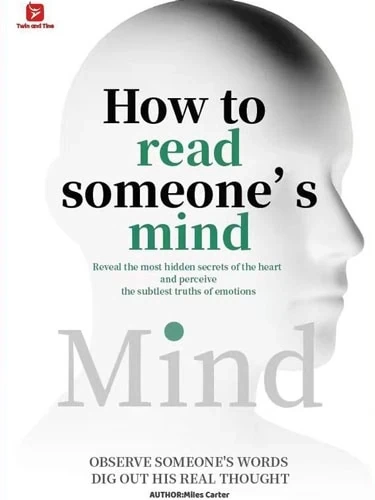
Main focus: Understanding people’s signals, emotions, and behavioral patterns
Target audience: Anyone who walks away from conversations feeling like they missed something obvious
Book Overview:
You leave a conversation knowing something was off, but you cannot explain what. Someone’s words and behavior do not match. You have probably had this experience more times than you can count.
Carter gives you a framework for understanding those moments. He does not teach you to memorize gestures or decode micro-expressions. He teaches you to notice patterns most people overlook. Changes in tone. Hesitation before answering. Mismatches between what someone says and what they actually do.
Most people have consistent patterns in how they communicate. When those patterns break, something has shifted underneath. The signal is not in the words. The signal is in how the words come out.
Learning this does not mean becoming suspicious of everyone. It means becoming better at noticing patterns before you ignore your own instincts.
Who Should Read This:
Anyone who has ever walked away from a conversation wondering what they missed. If you want practical tools you can use immediately, this is the book to start with.
2. The Righteous Mind by Jonathan Haidt
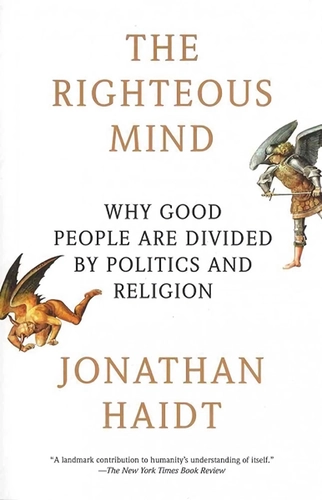
Main focus: Why people see the world differently
Target audience: Anyone who has ever been frustrated by arguments that never seem to resolve
Book Overview:
Why can two reasonable people look at the same situation and see completely different things? Why does your family sometimes disagree about things that feel obvious to you? Why do smart people hold onto beliefs that seem clearly wrong to others?
Haidt has an answer. Our moral judgments are not driven by reason. They are driven by intuition. We make snap judgments about right and wrong, and then we use logic to justify them. This is why debates rarely work. You are not changing someone’s mind. You are threatening their identity.
The book is built around six moral foundations that shape how different groups see the world. Understanding this does not make disagreements go away. But it makes them less baffling.
Who Should Read This:
Anyone who wants to understand why people believe the things they do—especially when those beliefs seem irrational or frustrating.
3. The Social Animal by Elliot Aronson
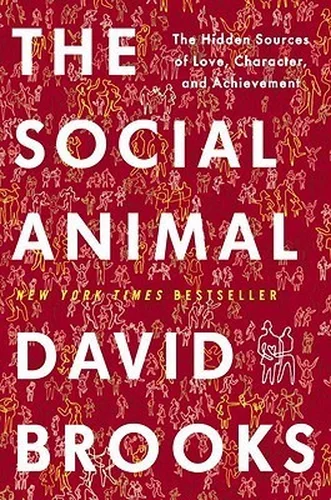
Main focus: How social forces shape human behavior
Target audience: Anyone who wants to understand why people act differently in groups than they do alone
Book Overview:
Most people act differently in groups than they do alone. Aronson explains why.
Aronson spent decades studying how people influence each other. His book explores some of the biggest questions in social psychology: why we conform, why we form biases, and why we sometimes act differently around others.
What makes this book readable is the structure. Aronson uses the story of two fictional characters to illustrate the research. You follow their lives from childhood to adulthood, seeing how social psychology plays out in real situations. You do not just learn the theories. You see how they show up in everyday life.
Who Should Read This:
Anyone who wants to understand why people behave differently in groups than they do alone, and how social forces shape behavior in ways we rarely notice.
Frequently Asked Questions
What psychology book should I read first to understand human behavior?
If you want to understand everyday interactions and read people better, start with How to Read Someone’s Mind. If you want to understand why people think differently, start with The Righteous Mind. If you want to understand how social forces shape behavior, start with The Social Animal.
Can psychology books really help you understand people better?
They will not let you read minds. But they can help you recognize patterns, understand different perspectives, and become more aware of why people behave the way they do. The value is in the shift—from reacting to noticing.
Do I need a psychology background to read these books?
No. All three are written for general readers. They avoid jargon and explain ideas clearly with real-world examples.
Will these books help me communicate better?
Yes, especially How to Read Someone’s Mind. Once you start noticing patterns in how people communicate, you naturally become more aware in conversations and relationships.
These three books cover different layers of understanding people. Carter helps you read individuals. Haidt explains why people see the world differently. Aronson shows how social forces shape behavior.
If you want practical tools for your next conversation, start with Carter.
If you want to understand why people disagree so strongly, read Haidt.
If you want to understand how groups influence people, pick up Aronson.
