I still remember one conversation that bothered me for days.
Nothing dramatic happened.
Nobody shouted. Nobody walked away.
But after it ended, I kept replaying it in my head.
I was trying to explain my point, but somehow the other person became defensive. The more I explained, the worse it seemed to get.
Later, I realized something uncomfortable:
I was focused on making myself understood, but I was not paying enough attention to how my words were being received.
That moment changed the way I think about communication.
For a long time, I believed good communicators were simply people who were naturally confident. They always knew what to say. They never felt awkward. They could handle difficult conversations effortlessly.
But communication is not a personality trait.
It is a skill.
And like any skill, it can be learned.
The right books cannot turn every conversation into a perfect one, but they can help us notice patterns, understand people better, and become more intentional with our words.
These are three books that changed the way I approach conversations.
Say It Right Every Time by Miles Carter
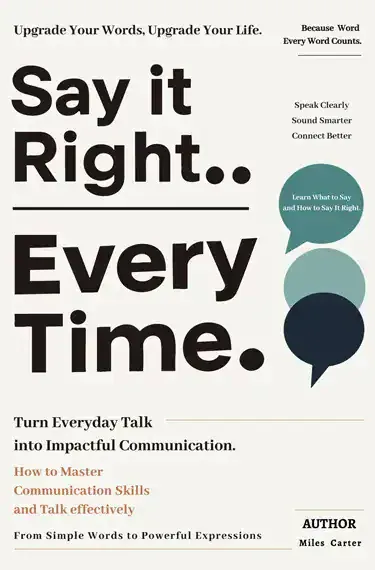
The first book I recommend is Say It Right Every Time.
What makes this book valuable is that it focuses on one of the most frustrating parts of communication:
Knowing what you mean, but struggling to express it.
Many misunderstandings do not happen because people do not care.
They happen because emotions get involved.
A simple sentence can sound like criticism.
A request can sound like a complaint.
A boundary can sound like rejection.
This book explores how small changes in language can completely change the direction of a conversation.
Instead of simply saying:
“You never listen.”
A different approach can open the door:
“I feel like I’m not being heard. Can we talk about this?”
The difference is not just the words.
It is the emotional message behind them.
Say It Right Every Time is especially helpful for people who want to:
- Express themselves more clearly
- Handle difficult conversations
- Avoid unnecessary conflicts
- Communicate with more confidence
How to Win Friends and Influence People by Dale Carnegie
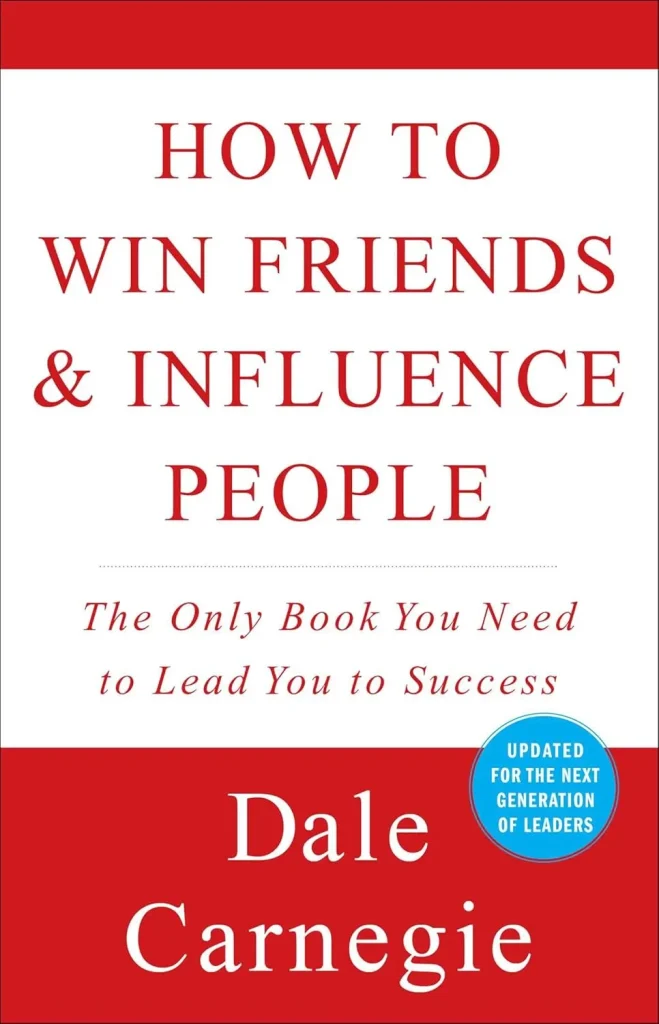
Few books about communication have remained influential for as long as How to Win Friends and Influence People.
What makes this book memorable is that its advice is surprisingly simple:
People want to feel valued.
They want to feel respected.
They want to feel heard.
One lesson that stayed with me is that communication is not only about delivering the right message. It is about understanding the person receiving it.
You can have the best argument in the room and still fail to connect with someone.
This book is particularly useful for improving everyday interactions:
- Meeting new people
- Building professional relationships
- Becoming a better listener
- Creating positive conversations
While Say It Right Every Time focuses more on choosing the right words in specific moments, Carnegie’s book focuses more on the foundation of human connection.
How to Talk to Anyone by Leil Lowndes
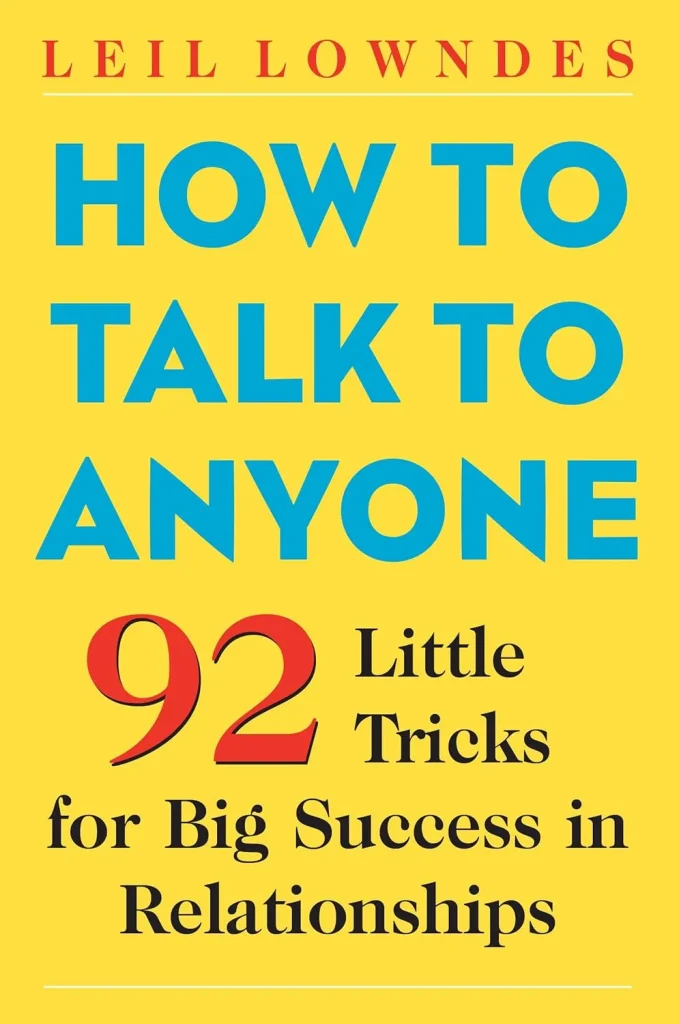
Some people struggle with difficult conversations.
Others struggle with conversations in general.
Starting a conversation.
Keeping it going.
Knowing what to say next.
That awkward silence.
How to Talk to Anyone focuses on practical social skills that can make everyday interactions easier.
The book breaks down communication into small behaviors:
- How to make better first impressions
- How to show genuine interest
- How to create comfortable conversations
- How to become more socially confident
What I like about this book is that it does not suggest changing who you are.
Instead, it gives you more tools.
You do not need to become the loudest person in the room.
You just need to understand how connection works.
The Biggest Communication Lesson I Learned
The biggest shift for me was realizing:
Good communication is not about always having the perfect words.
It is about creating understanding.
Sometimes the most important sentence in a conversation is not the one you say.
It is the question you ask.
It is the moment you choose to listen.
It is the patience you show when someone sees things differently.
Better conversations are built through small changes:
- Listening before responding
- Asking instead of assuming
- Explaining feelings instead of blaming
- Choosing clarity over being “right”
Final Thoughts
Communication affects almost every relationship in our lives.
The way we speak influences friendships, family relationships, workplace connections, and even how we understand ourselves.
I used to think better communication meant finding the perfect words.
Now I think it means being more thoughtful with the words we already have.
A better conversation does not start with speaking.
It starts with understanding.
For anyone looking to become more confident, clear, and intentional in the way they communicate, Say It Right Every Time offers practical guidance for turning everyday conversations into stronger connections.