The Parent You Aspire to Be by Miles Carter
A child refuses to listen.
A parent repeats the same instruction three times.
The frustration builds.
The child becomes more upset.
The parent becomes louder.
Within minutes, a simple disagreement turns into an emotional battle.
Most parents have experienced moments like this.
Not because they do not love their children.
Not because they do not want to be good parents.
But because parenting often asks us to manage two emotions at the same time:
Our child’s emotions — and our own.
The challenge of parenting is rarely about knowing what is right. The harder part is applying that knowledge when we are tired, stressed, or overwhelmed.
A stronger parent-child relationship is not built by avoiding every mistake.
It is built through understanding, repair, and connection.
That is the core message behind The Parent You Aspire to Be — a parenting guide focused on emotional awareness, communication, and creating a deeper bond with children.
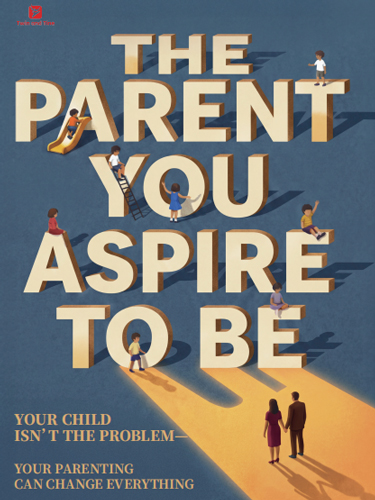
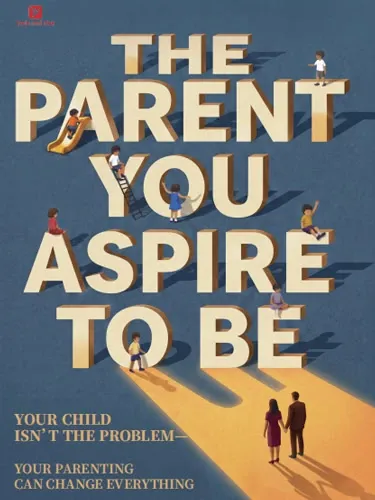
The Parent You Aspire to Be
Miles CarterPractical guidance for tantrums, backtalk, lying, screen addiction, emotional outbursts, and everyday parenting struggles.
What Does The Parent You Aspire to Be Actually Teach?
The Parent You Aspire to Be focuses on the relationship between emotional awareness, communication, and connection in parenting.
Rather than treating difficult behavior as something parents simply need to control, the book encourages parents to understand what may be happening underneath the behavior while also becoming more aware of their own emotional responses.
1. Understand the emotion behind behavior
2. Regulate your own response
3. Build connection through everyday interactions
Parenting Is More Than Managing Behavior
Many parenting struggles begin with a simple misunderstanding:
We focus on what children are doing, but forget to ask why they are doing it.
A child who throws a tantrum may not be trying to be difficult.
They may not know how to express disappointment.
A child who constantly interrupts may not be trying to be disrespectful.
They may simply be seeking attention and connection.
Understanding behavior does not mean allowing everything.
It means looking beyond the action and recognizing the emotion underneath.
The Parent You Aspire to Be: Learning to Connect Before Correcting
One of the most valuable ideas in modern parenting is:
Connection comes before correction.
When children feel understood, they are more open to guidance.
The same principle applies to adults.
When someone listens to us and acknowledges our feelings, we are much more willing to consider another perspective.
Children are no different.
Instead of immediately saying:
“Stop doing that.”
A parent might first ask:
“What happened?”or“Can you tell me why you feel this way?”
These small changes can completely transform everyday conversations.
Emotional Regulation Starts With Parents
Children learn how to handle emotions partly by watching the adults around them.
A calm response teaches calmness.
A thoughtful conversation teaches communication.
A patient explanation teaches problem-solving.
This does not mean parents should never feel frustrated.
Everyone has difficult moments.
The goal is not perfection.
The goal is learning how to pause, understand, and respond with intention.
Small Moments Create Strong Relationships
A strong parent-child relationship is rarely built through one big event.
It grows through everyday interactions:
- Listening when your child wants to share something small
- Showing interest in their thoughts
- Spending uninterrupted time together
- Apologizing when you make mistakes
Children may not remember every lesson we teach.
But they often remember how safe they felt being themselves.
Who This Book Is For
The Parent You Aspire to Be is a good fit for:
- Parents who want deeper emotional connections with their children
- Adults looking to improve parent-child communication
- Parents interested in positive parenting approaches
- Anyone hoping to create a healthier family environment
Is It Worth Reading?
If you want to build a stronger emotional connection with your child while becoming a more patient and intentional parent, The Parent You Aspire to Be is a practical place to start.