You’ve likely met someone who seems to possess an unfair psychological advantage. They decode hidden motives effortlessly, know precisely when to speak, and steer conversations without ever raising their voice.
Watching them leaves you with two distinct impulses: the desire to shield yourself from being played, and the hunger to acquire that same quiet authority.
When people decide to master this skill set, they usually land on two specific titles. But here is the catch: one teaches you how to read human nature at its core, while the other teaches you how to influence it in real-time. They aren’t addressing the same problem, nor are they meant for the same situations.
Here is what each book actually delivers—and how to choose the precise tool for the battle you’re facing.
Quick Comparison
| Aspect | Awakening to Human Nature | The 48 Laws of Power |
|---|---|---|
| Main goal | Understand people | Gain influence |
| Focus | Human behavior & motives | Strategy & power dynamics |
| Best for | Relationships, communication, awareness | Workplace politics, negotiation |
| Approach | Observation | Strategy |
| Question answered | “Why did this person do that?” | “How do I win this situation?” |
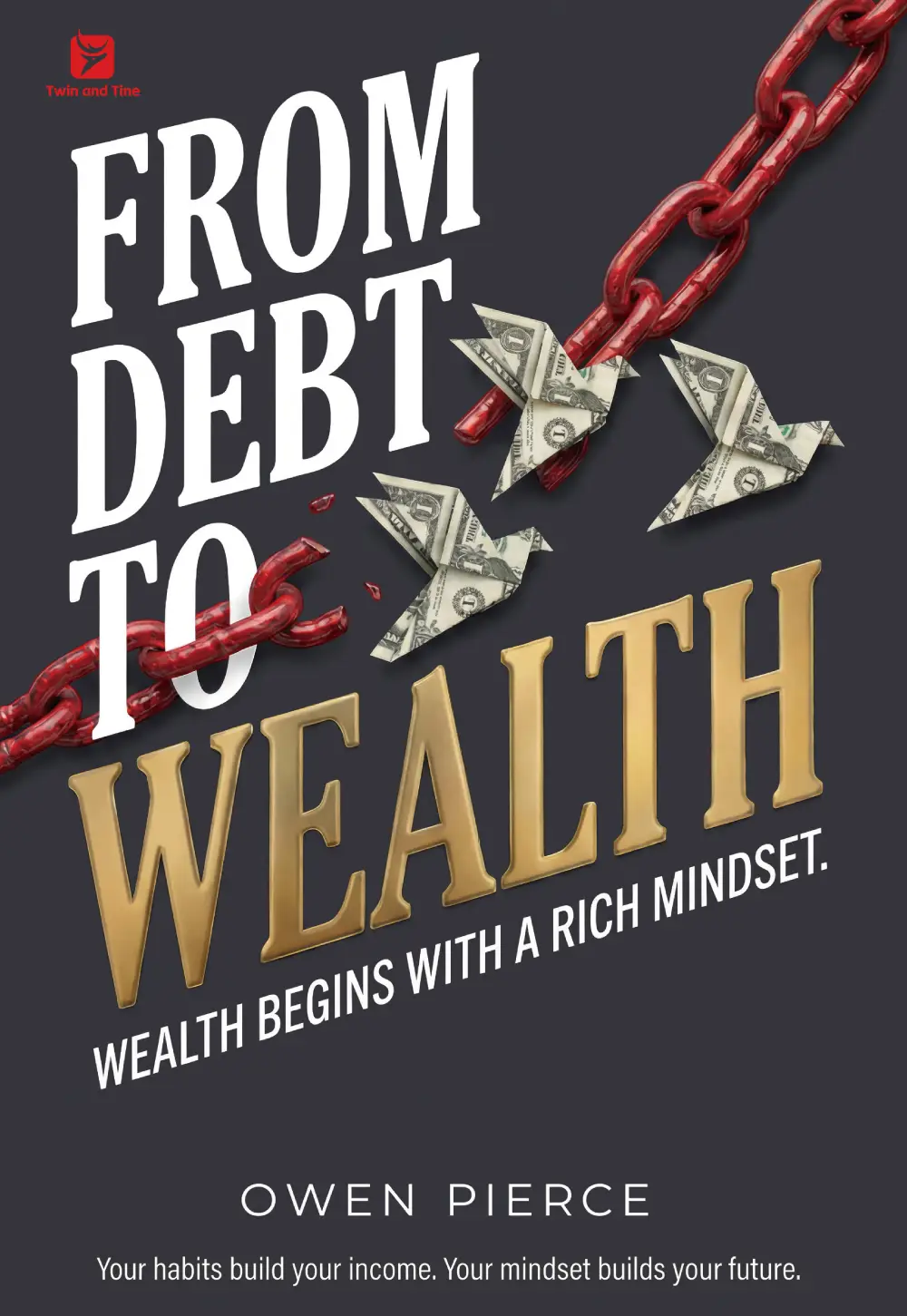
Awakening to Human Nature by Owen Pierce

Pierce wrote this book for people who keep getting confused by the people around them. You walk away from conversations feeling like something happened beneath the surface that you completely missed. Someone said one thing but did another. You trusted someone and later regretted it.
The book teaches you to see what is actually happening in human interactions. Not the surface-level words, but the patterns underneath. How people communicate without saying anything. What shifts in behavior actually mean. Why people react the way they do.
Pierce does not teach you how to manipulate anyone. He teaches you how to stop being manipulated. He gives you a framework for understanding the real motives behind behavior so you are not caught off guard. It is not about gaining power over others. It is about gaining clarity about the people in your life.
The difference is simple: The 48 Laws teaches you how power works. Awakening to Human Nature teaches you why people seek power in the first place.
What makes this book different is the focus on awareness over control. You are not learning tactics. You are learning to see. And once you see, you stop being confused.

Awakening to Human Nature
Owen PierceA practical guide for understanding hidden motives, social patterns, emotional pressure, and manipulation—so you can read situations more clearly and protect your boundaries with confidence.
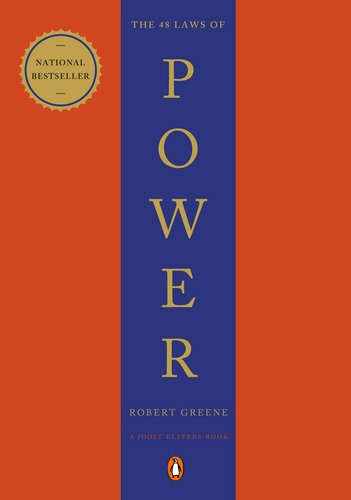
The 48 Laws of Power by Robert Greene
Greene wrote this book for people who want to understand power: how it works, how to get it, and how to keep it. Each law is built around historical examples—figures like Machiavelli, Louis XIV, and Bismarck who understood that power has its own rules.
Some laws are uncomfortable. “Never outshine the master.” “Use enemies to your advantage.” “Keep others in suspended terror.” Greene does not pretend the world is fair. He shows you what people actually do when they are competing for status, resources, and influence.
What makes this book valuable is the honesty. You do not have to agree with every law to benefit from reading it. You start noticing the patterns: why some people rise, why others fall, how authority changes the way people think and act.
But the book covers one layer. Greene focuses on external behavior: what people do when they want influence. He does not focus on internal motivation: why people behave that way. You can learn all 48 laws and still misread the person in front of you. You can master strategy and still miss the emotional shift happening in real time.
Same Situation, Different Interpretation
| Situation | Greene’s Lens | Pierce’s Lens |
|---|---|---|
| Someone takes credit for your idea | Power move. Respond strategically. | Motivation signal. What is driving this person? |
| Someone flatters you | Possible manipulation tactic. Stay alert. | Communication pattern. What are they signaling? |
| Someone’s behavior suddenly changes | Status competition. They are repositioning. | Emotional shift. Something has shifted underneath. |
Imagine you are in a meeting. Someone just took credit for your idea. You feel the heat rise. You want to say something, but you hold back.
Greene’s lens: this is a power move. The person who took credit is playing a game. You need to respond strategically. Maybe you let it slide and collect leverage for later. Maybe you expose them in a way that does not make you look petty. The goal is to protect your position and advance your interests.
Pierce’s lens: you need to read what is actually happening. What is this person’s baseline behavior? Was this out of character or typical? What are they signaling underneath the move? Are they insecure? Threatened? Competing for something you do not see? The goal is to understand the person, not just the move.
Both approaches are valid. But they give you different information. Greene tells you how to respond to the situation. Pierce tells you how to understand the person.
Which One Should You Read?
If you want to understand how power works and how to navigate competitive environments, Greene gives you the playbook. His book is strategic, historical, and unflinching. It will change how you see office politics, negotiations, and social dynamics.
If your biggest problem is understanding why people act the way they do, start with Pierce. His book is practical, immediate, and grounded in everyday interaction. It will change how you see your relationships.
If you want to study power structures and influence tactics, Greene is the classic choice. He shows you the game. Pierce shows you the players.
You can read both. They are not opposites. They cover different layers of the same subject. But the right one to start with depends on what you actually need right now.