We’ve all experienced that instant, unexplainable gut reaction.
You meet someone new, and within five seconds, a silent judgment is made. You instantly trust them—or your guards immediately go up. You feel completely at ease, or an uneasy instinct whispers that something is off.
Then, weeks or months later, reality hits: your initial impression was dead wrong. The seemingly warm charismatic colleague turns out to be toxic, while the quiet observer turns out to be your most reliable ally.
The problem isn’t that you lack intuition. The problem is that you’ve been relying entirely on guesswork. Nobody ever taught you the actual science of reading human behavior—what subtle cues to notice, what red flags to watch for, and how to separate genuine intention from a polished performance.
Reading people shouldn’t be a gamble. These 3 essential books approach human behavior from completely different angles—equipping you with the psychological tools to see past the masks, trust the right people, and protect yourself from being played.
Quick Comparison
| Book | Best For | Main Skill |
|---|---|---|
| How to Read Someone’s Mind | Understanding signals | Observation |
| The Lost Art of Listening | Better conversations | Active listening |
| The Elephant in the Brain | Understanding hidden motives | Human psychology |
1. How to Read Someone’s Mind by Miles Carter
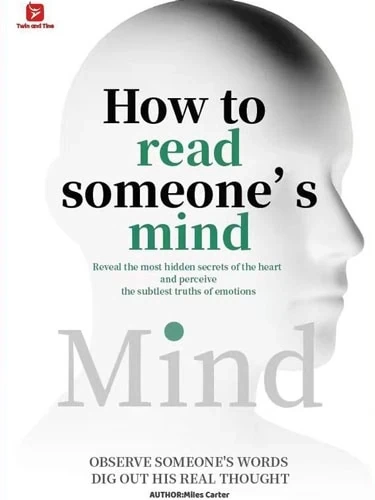
What it teaches you: Most people think reading others is about decoding gestures. A touch on the nose means lying. Crossed arms means defensive. Avoided eye contact means hiding something.
That is not how it works.
The biggest mistake people make is looking for individual signals. Real understanding comes from recognizing patterns. People have consistent ways of communicating. A baseline. When that baseline shifts, something has shifted underneath. You learn to notice the mismatch between words and tone. The hesitation before answering. The shift in rhythm. These are the signals that matter.
Carter does not teach you to be suspicious of everyone. He teaches you to pay attention to what is already there. Once you know what to look for, you stop guessing and start seeing.
Why you might have missed this: Most people stop at the surface. They look at one gesture and jump to a conclusion. They do not step back and ask: what is this person’s normal pattern? Without that frame of reference, you are guessing.
Start here if: you want practical tools you can use in your next conversation.
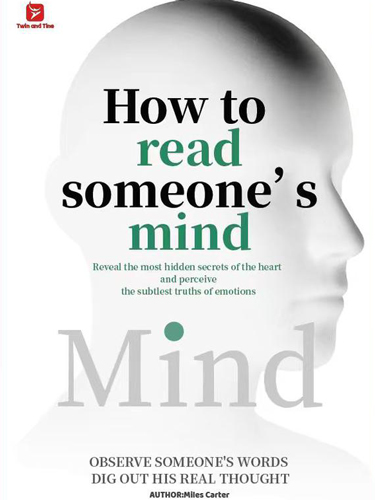
How to Read Someone’s Mind
Miles CarterPractical tools for reading body language, tone, and hidden intentions in real time. Spot what people aren’t saying — before you trust the wrong person.
2. The Lost Art of Listening by Michael P. Nichols
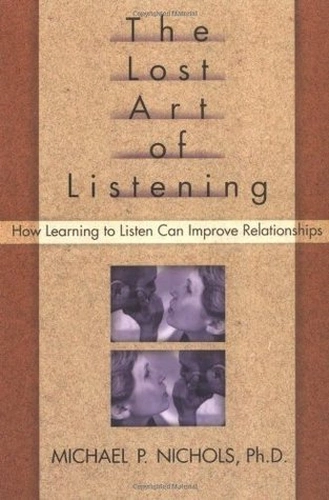
What it teaches you: Reading people is not just about watching them. It is also about listening to them.
Most people think they are good listeners. They are not. They are waiting for their turn to speak. They are preparing their response while the other person is still talking. They are interpreting everything through their own lens and wondering when the other person will finally get to the point.
Nichols draws from years of clinical experience to explain why listening is the most overlooked skill in human interaction. When you actually listen—not just hear words, but listen for what is underneath—you start to see people more clearly.
The book teaches you to hear what is not being said. The emotion hiding behind the words. The conflict beneath the surface. The need that is not being expressed. This is a different kind of reading people—not visual, but auditory. And for many people, it is even more useful.
Why you might have missed this: The self-help industry has spent decades telling people how to talk. It has spent almost no time telling people how to listen. Most people assume listening is passive. It is not. It is one of the most active things you can do.
Start here if: you already notice signals but keep missing what people are really saying.
3. The Elephant in the Brain by Kevin Simler and Robin Hanson
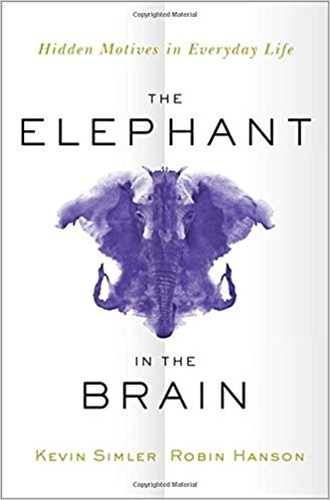
What it teaches you: The hardest part of reading people is realizing that behavior often has hidden reasons—even people themselves may not fully understand them.
Simler and Hanson argue that many of our decisions are driven by motives we do not fully acknowledge. Status. Self-interest. Competition. We think we donate to charity because we care. We also donate to signal generosity. We think we buy expensive things for quality. We also buy them to show off.
Reading people requires understanding that what people say is not always what they mean—and sometimes they do not even know what they mean. The book teaches you to look past the surface explanation and ask: what else might be driving this behavior?
Why you might have missed this: Most people assume others are being honest about their intentions. This book shows that people are not always lying—they are often just unaware. Learning to see past the surface explanation changes how you read people in every situation.
Start here if: you want to go deeper and understand the hidden motives behind behavior.
These three books approach reading people from different directions. Carter teaches you to see signals you have been missing. Nichols teaches you to hear what is not being said. Simler and Hanson teach you to question the surface explanation.
For most beginners, start with Carter. Before you can understand hidden motives or improve conversations, you need to learn how to notice patterns in the first place.
If you already notice but keep missing what people are really saying, Nichols is your book.
If you want to go deeper and understand hidden motives, pick up Simler and Hanson.
You do not need all three. You just need the one that matches what you are currently missing.