Most money problems are not caused by one bad decision. They are caused by patterns.
The unnecessary purchase you make after a stressful day. The bills you avoid opening. The promise that next month you will finally start saving. The feeling that no matter how much you earn, you always end up in the same place.
Changing your money requires more than learning financial rules. It requires changing the habits behind those decisions.
These three books approach money habits from three different angles.
1. If You Feel Like Money Disappears Every Month
From Debt to Wealth by Owen Pierce
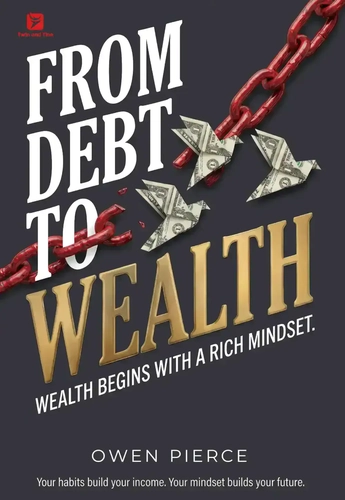
You make more than you used to. But somehow, you are still in the same place. Your income went up. Your lifestyle went up with it. You are not spending on luxuries. You are just spending—and you cannot explain where it all went.
This book starts with a question most finance books avoid: why does your income never seem to be enough? The answer is not that you are bad with money. It is that you have developed habits that keep you focused on short-term survival instead of long-term progress.
Pierce does not give you a budget template. He gives you a way to see your own patterns. Once you understand why you keep falling into the same cycle, the steps to break it become obvious.
Start here if: you feel like your money disappears every month and you cannot explain why.
2. If You Know What To Do But Cannot Stay Consistent
I Will Teach You to Be Rich by Ramit Sethi
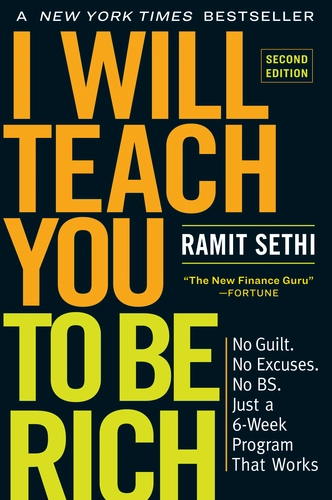
You have read the advice. Save 20% of your income. Pay yourself first. Invest early. You know what you should do. But you keep failing to follow through.
The problem is not your knowledge. It is your system. Willpower is a limited resource. Eventually, you get tired, you slip, and you feel like a failure.
Sethi argues that the solution is not more discipline. It is removing discipline from the equation entirely. Set up automatic transfers so your savings and investments happen without you having to think about them. Automate your bills. Automate your investments. Make good financial decisions the default.
The book is built around a six-week program that walks you through exactly how to do this. He does not care about your latte habit. He cares about the big wins: lowering fixed costs, automating savings, and investing early.
Start here if: you know what to do but keep failing to follow through because you are relying on willpower instead of systems.
3. If You Want To Change Your Relationship With Money
Atomic Habits by James Clear
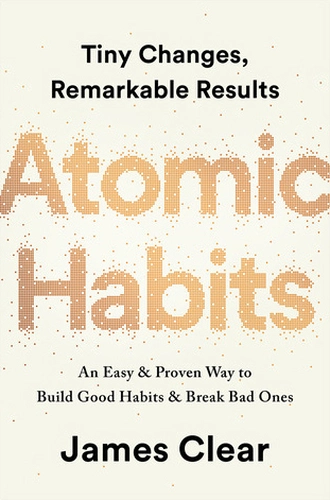
Most people try to fix money problems by changing the numbers. Clear argues that you need to change the person making the decisions.
Behavior is not about willpower. It is about identity. You do not need more discipline. You need to become someone who naturally makes better financial decisions. Clear gives you a framework for doing exactly that: make the right choices easy, make the wrong choices hard, and redesign your environment so that good habits happen automatically.
This is not a finance book. It is a book about how human behavior works. And it applies directly to money. The same principles that help you exercise more and eat better can help you save more and spend less.
Start here if: you have tried everything and still feel like you are fighting against yourself.
Better money habits do not come from one perfect budget. They come from understanding your patterns, building systems, and becoming the kind of person who makes better financial decisions automatically.
If you cannot explain where your money goes, start with Pierce.
If you know what to do but cannot stay consistent, read Sethi.
If you want to change who you are when it comes to money, pick up Clear.
