You have probably heard this before: “Just start investing early.” “Let compound interest work for you.” “Time in the market beats timing the market.”
All of it is true. And all of it is useless if you do not know what any of it actually means.
ETFs. Index funds. Diversification. Asset allocation. The words get thrown around like everyone already knows them. But if you are new to investing, it feels like everyone is speaking a language you never learned.
The biggest mistake beginners make is trying to invest before they understand their money. The three books below are not about getting rich quick. They are about understanding what investing actually is—and whether you are ready for it.
1. First, Build Your Financial Foundation
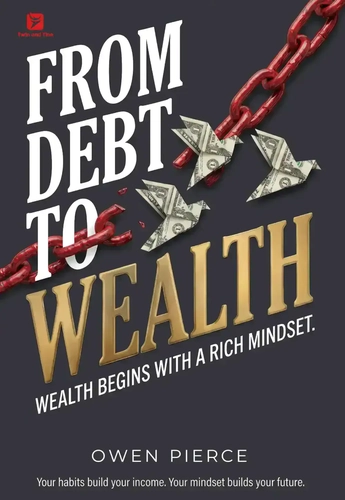
From Debt to Wealth by Owen Pierce
Most investing books assume you already have money to invest. They assume you have savings, no high-interest debt, and a stable income. If those assumptions are not true, the investing advice will not help you. It is not that the advice is wrong. It is that it was not written for you.
Pierce starts where most investing books refuse to go: with the question of why you do not have money to invest in the first place. The answer is not that you are bad with money. It is that many people develop habits that keep them focused on short-term survival instead of long-term growth.
The book walks you through a complete reset: how to stop the paycheck-to-paycheck cycle, how to eliminate bad debt without feeling deprived, and how to build savings when you have never been able to keep them. It does not tell you to “just invest more.” It tells you to stop the bleed first.
You need this book if: you have debt, live paycheck to paycheck, or feel like you are running in place. Before you can invest, you need to build a foundation.
2. Then, Learn the Simplest Way to Invest
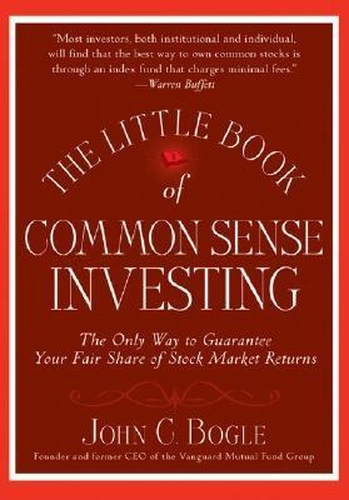
The Little Book of Common Sense Investing by John C. Bogle
Most beginners think investing is complicated. They imagine you need to watch CNBC, pick stocks, and time the market. Bogle argues that the opposite is true. The simplest strategy is the one that works best.
Bogle is the founder of Vanguard, the company that pioneered index fund investing. His argument is straightforward: buy low-cost index funds and hold them for the long term. He shows why active trading, stock picking, and paying high fees are losing games. Over time, the data is clear. Index funds outperform most active managers.
What makes this book essential is its clarity. Bogle does not assume you already know how the market works. He explains the basics in plain language, with enough detail to make you feel informed without overwhelming you.
You need this book if: you are ready to start investing and want a simple, proven strategy that does not require you to become an expert.
3. Finally, Understand Why Simple Investing Works
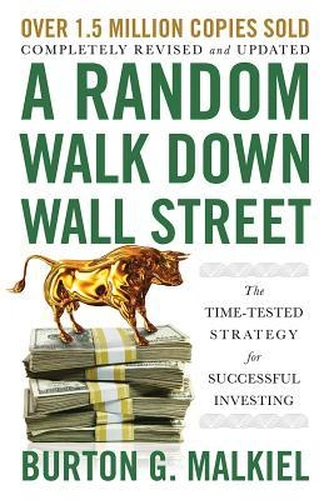
A Random Walk Down Wall Street by Burton Malkiel
Once you have a foundation and a simple strategy, the next question is: why does this work? Why do index funds beat active managers? Why is market timing so hard? Why does diversification matter?
Malkiel wrote this book to answer those questions. He explains how financial markets actually work—why prices move, why experts cannot consistently beat the market, and why the most reliable strategy is to buy and hold a diversified portfolio.
This is not a book about quick profits. It is a book about understanding the system. Once you understand how markets work, you stop making emotional decisions. You stop chasing trends. You stop panicking when the market drops. You understand that the noise is just noise.
You need this book if: you want to understand the logic behind investing—why simple strategies work and why most people who try to beat the market end up losing.
These three books cover different stages of the investing journey. Pierce helps you build a foundation before you invest. Bogle gives you a simple, proven strategy to follow. Malkiel helps you understand why that strategy works.
Investing is not complicated. But it does require patience, discipline, and a willingness to learn. The best time to start was years ago. The second best time is now.
