Everyone lies.
A friend says they are “fine” when they are not. A coworker takes credit without admitting it. Someone tells a story that sounds perfect—but something feels wrong.
The question is not whether people lie. The question is why they lie, how they hide it, and why we believe them.
These three books reveal three different parts of deception. One helps you notice when something does not add up. One explains why people deceive themselves and others. One shows why smart people fall for convincing lies.
Quick Comparison
| Book | Best For | Main Focus |
|---|---|---|
| Awakening to Human Nature | Understanding people | Hidden motives and behavior patterns |
| Lying | Understanding dishonesty | Why people deceive themselves and others |
| The Confidence Game | Understanding manipulation | Why people believe convincing lies |
1. Awakening to Human Nature by Owen Pierce
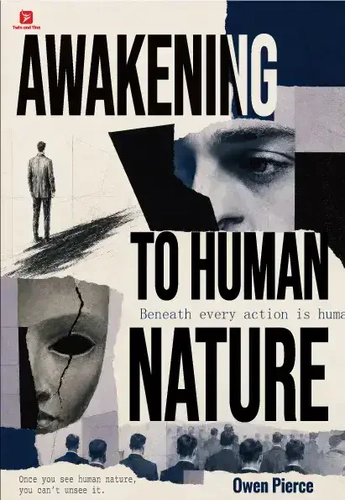
Main focus: Understanding hidden behavior patterns
Most people think lying is about the words someone says. But the real signal is often in the pattern behind those words.
Pierce wrote this book for people who walk away from conversations knowing something was off, but cannot explain why. Someone said all the right things, but something underneath felt wrong. That is not your imagination. That is your brain picking up signals you were never taught to name.
He does not teach you to memorize gestures or decode micro-expressions. He teaches you to notice patterns most people overlook. Changes in tone. Hesitation before answering. A mismatch between words and actions. Most people have consistent patterns in how they communicate. When those patterns break, something has shifted underneath.
This book helps you recognize when something does not add up—not by catching lies, but by seeing when behavior and words no longer match.
This is the book for you if: you want to get better at reading people and recognizing when something feels off.
2. Lying by Sam Harris
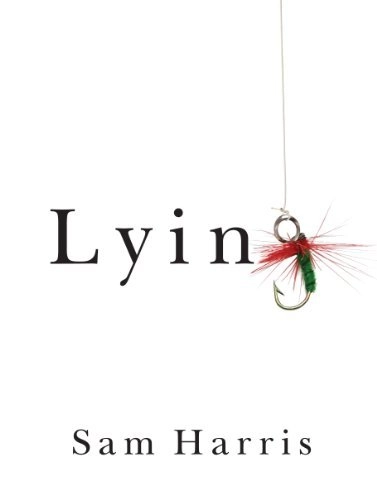
Main focus: Why people deceive themselves and others
Harris takes a different approach. Instead of asking “How do you catch someone lying?”, he asks “Why do we lie in the first place?”
He argues that most lies are not dramatic. They are small. Everyday. And they cause more damage than we admit. A white lie to avoid conflict. An exaggeration to impress someone. A half-truth to protect yourself. Harris shows how these small lies erode trust, weaken relationships, and make honesty harder over time.
The uncomfortable part is that most people do not think of themselves as dishonest. They create explanations that allow them to believe they are still good people. Harris pushes back on all of it.
This is the book for you if: you want to understand the psychology of lying—not just how to spot it, but why people do it.
3. The Confidence Game by Maria Konnikova
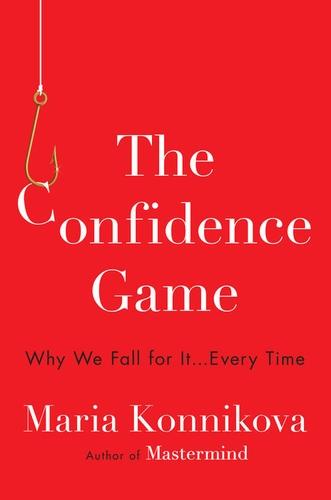
Main focus: Why people believe convincing lies
The most dangerous lies are not the obvious ones. They are the ones wrapped in a story you want to believe.
Konnikova is a psychologist and writer who spent years studying con artists. She interviewed convicted fraudsters, studied famous scams, and analyzed how deception actually works. What she found is unsettling: the most successful liars do not rely on hiding information. They rely on telling you exactly what you want to hear.
People do not get scammed because they are stupid. They get scammed because the lie fits their hopes, their fears, or their needs. A con artist does not sell you a lie. They sell you a story that feels true.
This book helps you understand the psychology of belief—and why even smart, careful people fall for lies that seem obvious in hindsight.
This is the book for you if: you want to understand why people believe lies, not just how to detect them.
These three books reveal three different parts of deception. Pierce helps you notice when something does not add up. Harris explains why people deceive themselves and others. Konnikova shows why we believe lies that should be obvious.
After reading these, you will not stop people from lying. But you will stop being surprised when they do.
