You walk into a meeting and immediately know something is wrong. Nobody says anything. Everyone is polite. But the energy feels different.
You sense the tension between two colleagues who are acting normal. You leave a conversation wondering if you missed something obvious. Some people seem to notice these things effortlessly. They read the room without trying. They know when to speak and when to stay quiet.
Most people think socially aware people are naturally intuitive. They are not. They simply learned what patterns to pay attention to.
The three books below approach social awareness from three different angles. One helps you read individuals. One helps you understand group dynamics. One helps you see your own blind spots. Together, they cover the full spectrum.
Quick Comparison
| Book | What It Helps You Understand |
|---|---|
| How to Read Someone’s Mind | What people are really communicating |
| The Art of Gathering | Why groups behave differently |
| The Scout Mindset | How your own biases affect perception |
1. How to Read Someone’s Mind by Miles Carter
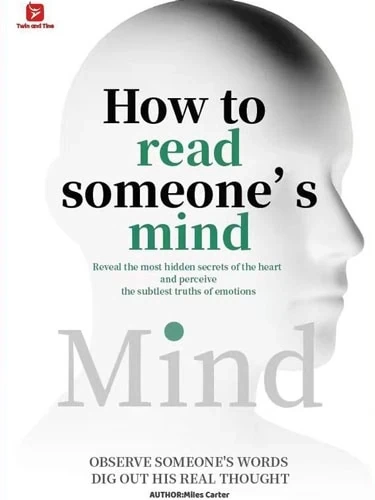
Why do you keep trusting people who let you down? Why do you feel uncomfortable around someone but cannot explain why? Why does a conversation leave you drained?
Most people think the answer is better instincts. It is not. The answer is better observation.
Carter does not teach you a list of gestures or facial expressions. He teaches you to notice the patterns people show without realizing it. You stop asking “is this person lying?” and start noticing what is different about today compared to how they usually act. You stop second-guessing yourself and start seeing what is already there.
It is about learning to recognize patterns instead of relying only on first impressions. Not about becoming suspicious of everyone. About learning to trust the signals you already notice but never knew how to interpret.
This is the book for you if: you are tired of being wrong about people and want a framework you can actually trust.
2. The Art of Gathering by Priya Parker
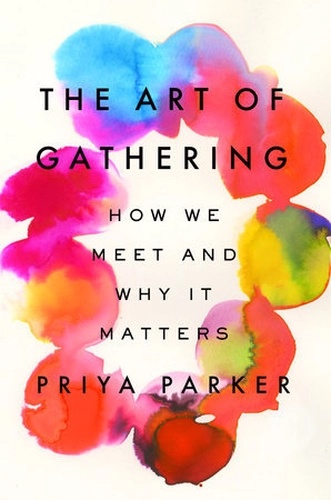
At first glance, this looks like a book about hosting events. It is not.
You have probably been to a gathering that felt off. A dinner where no one connected. A meeting that went nowhere. A party where people stood in corners.
Parker argues that the problem is not the people. The problem is that most gatherings lack intention. She shows how the structure of a gathering shapes the way people interact—and how small changes can transform the experience.
The book is about understanding the dynamics that make people open up or shut down. Why do some meetings create real connection while others feel like a waste of time? Why do some groups inspire honesty while others encourage performance? It teaches you to see how roles, expectations, and environment affect behavior.
Carter helps you read one person. Parker helps you read a room.
This is the book for you if: you want to understand why some social situations feel natural and others feel forced.
3. The Scout Mindset by Julia Galef
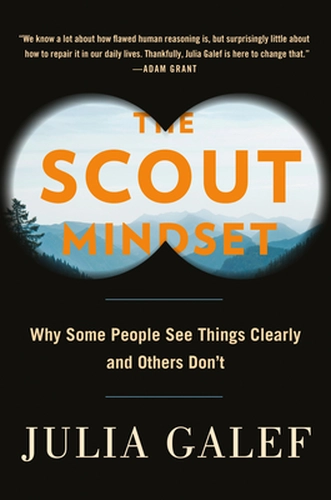
The biggest obstacle to understanding people is often yourself.
Most of us believe we see the world clearly. We think our opinions are based on facts. We assume we are fair and objective. Galef argues that this is not how our brains work. We are not neutral observers. We defend our beliefs, protect our ego, and ignore information that threatens our worldview.
She introduces the “scout mindset” as an alternative. A scout does not fight for a position. They look for the truth. They are curious. They are willing to be wrong. They want to see the world as it actually is.
This book is essential for social awareness because most misunderstandings come from our own biases. We see what we expect to see. We interpret behavior through our own lens. We assume people are thinking what we would think.
This is the book for you if: you want to stop misreading people because of your own assumptions.
Social awareness is not one skill. It is the ability to understand others, understand situations, and understand yourself.
If you want to understand what people are really communicating, start with Carter.
If you want to understand why groups behave differently, read Parker.
If you want to understand how your own biases affect perception, pick up Galef.
Start with the area where you feel the most stuck.
