I used to think my problem was income.
I would get a raise, and for a few months, it felt like things were finally changing. Then, somehow, I was back in the same place. More money came in, but more money went out. I was not buying luxury cars or designer clothes. I was just spending—and I could not explain where it all went.
The numbers on my paycheck looked fine. But my bank account told a different story.
If this sounds familiar, you are not alone. A 2026 study found that nearly 40% of people earning over $100,000 live paycheck to paycheck. The problem is not the number. It is the mindset.
These three books did not just change how I manage money. They changed how I think about it.
From Debt to Wealth by Owen Pierce
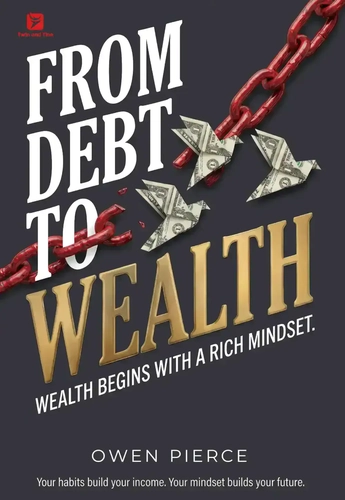
This book was the first one that made me stop blaming myself.
I had spent years thinking I just lacked willpower. I would make a budget, stick to it for a week, then break it. I would tell myself I would save next month, and next month I would fail again. I thought the problem was me.
Pierce told me something different. The problem was not my willpower. It was the rules I was playing by.
The book starts with a question I had never asked myself: why does your income never seem to be enough? The answer is not that you are bad with money. It is that you have been running on a treadmill that keeps speeding up. You work harder, you earn more, but your expenses grow right along with it. You buy things to feel better and end up deeper in the hole.
What I found most useful is that the book does not assume you already have money to manage. It assumes you are stuck. And it gives you a way out. Not a spreadsheet. Not a strict budget. A reset.
I learned how to break the paycheck-to-paycheck cycle without feeling deprived. I learned how to pay down debt without feeling like I was punishing myself. I learned how to build savings when I had never been able to keep them.
It did not make me rich overnight. But it made me realize that I was not broken—I was just never taught the rules.
The Behavior Gap by Carl Richards
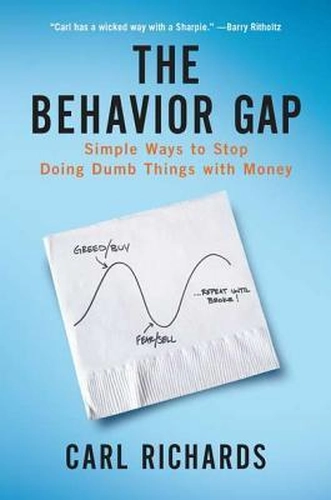
After I stopped the bleeding, I had a different problem. I was making better decisions, but I still felt anxious about money. I knew the mechanics, but my mind had not caught up.
Richards wrote this book about the gap between what we know we should do and what we actually do. He is a financial planner who spent years watching smart people make the same mistakes over and over. He explains why people often make short-term financial decisions even when they understand the long-term consequences.
Why do you reach for the credit card when you are stressed? Why do you avoid looking at your bank balance when you know you should? Why do you keep repeating the same patterns?
What I found useful is the awareness it gave me. I started noticing when my own brain was taking shortcuts. I stopped trusting my immediate reactions. I started asking: why do I actually want this? The answer was often not what I expected.
This book did not give me a system. It gave me a lens. I stopped comparing my financial situation to everyone else. I stopped feeling like I was behind. I started understanding that wealth is not about how much you spend. It is about how much you keep and how long you let it grow.
Stop Acting Rich by Thomas Stanley
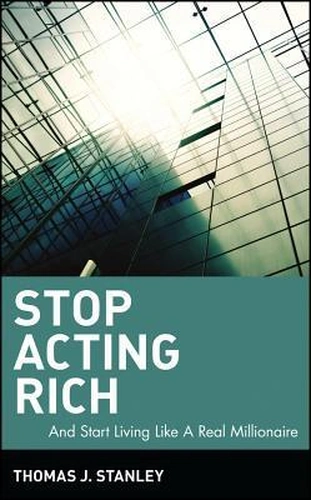
If Pierce fixed my habits and Richards fixed my blind spots, Stanley fixed my assumptions.
Before reading this book, I had a picture in my head of what wealthy people looked like. I imagined luxury cars, big houses, designer clothes. I assumed those people were wealthy.
Stanley’s research showed me I was wrong. He spent years interviewing and surveying millionaires. What he found surprised a lot of people. Most millionaires do not live in mansions. They drive used cars. They live in middle-class neighborhoods. They buy things that hold their value.
But this book is different from his earlier work. Stop Acting Rich focuses on the people who look wealthy but are not—and the people who are wealthy but do not look it. It shows you how chasing the appearance of wealth actually keeps you from building it.
This book changed what I picture when I hear the word “wealthy.” It also changed what I want. I stopped wanting to look wealthy. I started wanting to actually be wealthy.
If you make decent money but still feel broke, the problem is not your income. It is your relationship with money.
Pierce helps you fix the habits that keep you stuck. Richards helps you understand why you keep making emotional decisions. Stanley shows you what wealth actually looks like—and what it does not.
Read them in that order. First, stop the cycle. Then, understand your own behavior. Then, get a clear picture of what you are actually building.
You are not bad with money. You were just never taught the rules.
