Have you ever walked away from a conversation wondering what just happened?
Someone made you feel guilty without saying anything directly. Someone convinced you to do something you did not want to do. Someone seemed trustworthy at first, but later you realized the signs were there all along.
Manipulation rarely looks like manipulation. It often looks like charm, confidence, persuasion, or even kindness. The people who are best at influencing others do not announce their intentions. They hide them behind stories, emotions, and carefully crafted words.
The books below explore the psychology behind influence, deception, and human behavior—not to help you control others, but to help you recognize what is happening around you.
Quick Comparison
| Book | Best For |
|---|---|
| Awakening to Human Nature | Understanding hidden motives behind behavior |
| The Confidence Game | Understanding deception and persuasion |
| Games People Play | Recognizing unhealthy relationship patterns |
1. Awakening to Human Nature by Owen Pierce

Best for: Understanding the psychology behind manipulation
Most manipulation starts with one thing: misunderstanding human behavior.
People rarely reveal their full motivations. They present an image they want others to see. They justify their actions. They hide insecurities, desires, and self-interest—even from themselves.
Pierce wrote this book for people who want to understand the patterns behind human behavior: hidden motivations, emotional reactions, social dynamics, and self-deception. The value of the book is not learning how to manipulate people. It is learning how manipulation works.
When you understand why people seek approval, control, status, or validation, you become better at recognizing unhealthy dynamics before they affect you. You stop being surprised when someone who seemed trustworthy turns out to be self-interested. You stop blaming yourself when you miss signs that were there all along.
This book does not give you a list of manipulation tactics. It gives you a framework for understanding human behavior at a deeper level. Once you understand the patterns, the tactics become obvious.
Start here if: you want to understand why people behave the way they do and recognize manipulation before it affects you.
2. The Confidence Game by Maria Konnikova
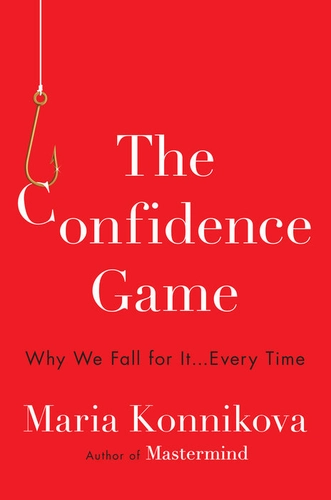
Best for: Understanding deception and persuasion
The most dangerous manipulation is not the kind you see coming. It is the kind wrapped in a story you want to believe.
Konnikova is a psychologist and writer who spent years studying con artists. She interviewed convicted fraudsters, studied famous scams, and analyzed how deception actually works. What she found is unsettling: the most successful manipulators do not rely on hiding information. They rely on telling you exactly what you want to hear.
People do not get manipulated because they are stupid. They get manipulated because the lie fits their hopes, their fears, or their needs. A manipulator does not sell you a lie. They sell you a story that feels true.
The book explores the psychology of trust, persuasion, and self-deception. It explains why smart people fall for scams, why we ignore red flags, and how confidence tricks work on the human mind.
Start here if: you want to understand how deception works and why even smart people fall for convincing lies.
3. Games People Play by Eric Berne
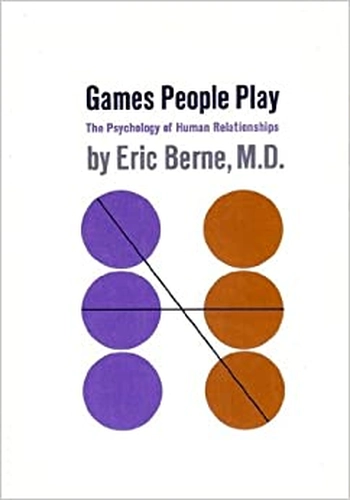
Best for: Recognizing unhealthy relationship patterns
Some manipulation is not a single act. It is a pattern that repeats over and over in relationships.
Berne developed a framework called transactional analysis. The idea is that people interact in predictable patterns, and many of these patterns are dysfunctional games. Each game has roles: victim, persecutor, and rescuer. People unconsciously assign themselves and others to these roles over and over.
One famous game is “Why Don’t You — Yes But.” Someone presents a problem. Another offers a solution. The first person rejects it and explains why it will not work. Another solution is offered. Another rejection. The person with the problem is not actually looking for a solution. They are looking for validation that their problem is unsolvable.
Another game is “Now I’ve Got You.” Someone waits for you to make a mistake, then pounces on it to prove your incompetence. It happens in workplaces, in relationships, in families. Once you see it, you cannot unsee it.
This book is uncomfortable to read because you see yourself in it. But recognizing the pattern is the first step to stopping it.
Start here if: you want to understand the hidden patterns in relationships and stop playing dysfunctional games.
Frequently Asked Questions
Is dark psychology real?
Dark psychology is not a formal academic field, but it refers to the study of how people use manipulation, persuasion, and deception to influence others. The term is often used to describe the darker side of human behavior and social influence.
What books teach you about manipulation?
The best books on manipulation help you understand how influence works so you can recognize it. Awakening to Human Nature covers the psychology behind hidden motives. The Confidence Game explains deception and persuasion. Games People Play reveals unhealthy relationship patterns.
How do you recognize manipulation?
Manipulation often involves emotional pressure, guilt, flattery, or creating a sense of obligation. It can also involve isolating you from others, making you doubt your own judgment, or presenting a story that feels too good to be true. Learning to recognize patterns is more reliable than looking for individual “red flags.”
What is the difference between persuasion and manipulation?
Persuasion is transparent. You know someone is trying to influence you, and you can make a choice. Manipulation is hidden. It works by exploiting your emotions, insecurities, or desire to believe something that is not true. The difference is not the outcome—it is the intent and the transparency.
If you have ever felt confused by someone’s behavior, wondered why you trusted the wrong person, or wanted to understand how influence really works, these books will help. They are not about learning to manipulate others. They are about understanding human behavior so you can recognize manipulation when it happens.
