You have probably had this experience. A friend celebrates your success, but something about their reaction feels different. Someone says they support you, but they disappear when you actually need them. Someone acts caring, but their actions repeatedly leave you feeling used.
You tell yourself you are overthinking. You give them the benefit of the doubt. You make excuses for their behavior because you want to believe they are a good person.
The problem is that most people do not miss the signs because they are unable to see them. They miss them because they explain them away. They focus on what someone says instead of what they repeatedly do.
The books below help you stop ignoring the patterns you already notice. Because the hardest part of dealing with fake friends is not seeing the truth. It is understanding why we missed it. Each book covers a different layer of the problem.
Quick Comparison
| Book | Helps You Understand |
|---|---|
| Awakening to Human Nature | Why we misread people and ignore patterns |
| The Gift of Fear | Why your intuition matters |
| The Laws of Human Nature | Hidden motivations like envy and insecurity |
| Set Boundaries, Find Peace | How to protect yourself |
| Mistakes Were Made (But Not by Me) | Why we ignore obvious signs |
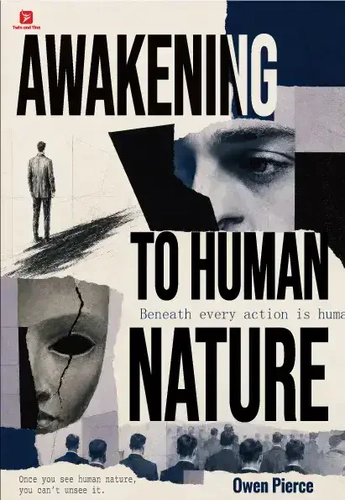
1. Awakening to Human Nature by Owen Pierce
Best for: Understanding why we misread people and ignore patterns
You have probably had this experience. You look back at a friendship and realize the warning signs were there all along. You ask yourself: “Why didn’t I see it sooner?”
One of the hardest things about understanding people is accepting that our first impression is often incomplete. We tend to judge people based on intentions, words, and the image they present. We want to believe people are honest, loyal, and acting with good intentions. So we ignore the gaps between what someone says and what they repeatedly do.
Pierce challenges you to look at something more reliable: repeated behavior. A single moment of kindness does not mean someone is trustworthy. A single apology does not mean someone has changed. But patterns reveal the truth.
The book focuses on the forces behind behavior: motives, emotions, insecurities, and patterns people repeat without realizing. Why do people say one thing and do another? How do you read patterns instead of isolated actions? Why do we ignore warning signs?
What makes this book different is the focus on understanding, not labeling. It is not about calling people good or bad. It is about seeing clearly. Once you learn to see patterns, you stop being surprised. You stop making excuses for behavior that does not change. You stop ignoring patterns because someone’s words sound convincing.
This is the book for you if: you want to understand why you have misread people in the past and stop making the same mistakes.
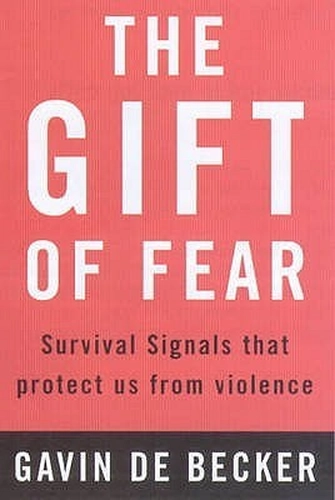
2. The Gift of Fear by Gavin de Becker
Best for: Understanding why your intuition matters
You have probably had this feeling. Something about a person feels off, but you cannot explain why. You dismiss it because you have no evidence. Later, you find out you were right.
De Becker wrote this book to help you trust that feeling. He explains why your mind can notice small inconsistencies before you can clearly explain them. The book teaches you to distinguish between real fear and false anxiety. It explains why we override our instincts in favor of being polite—and why that is one of the most common reasons people stay in situations that repeatedly make them uncomfortable.
What makes this book valuable is the permission it gives you. If something feels off, it is worth paying attention to. You do not need to explain why. You do not need to justify it to anyone. You just need to act on it.
This is the book for you if: you have ever ignored a gut feeling and regretted it later.
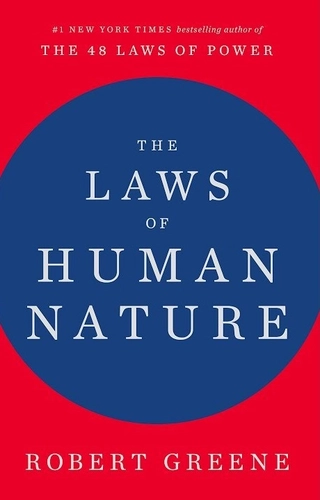
3. The Laws of Human Nature by Robert Greene
Best for: Understanding hidden motivations like envy and insecurity
Some friendships do not fail because people suddenly change. They fail because hidden motivations eventually appear. Envy. Insecurity. Competition. The need to feel superior.
Greene wrote this book for people who want to understand the deeper drives behind human behavior. He draws on history, psychology, and biography to explain why people do what they do. Envy. Aggression. The need for status. The fear of being left behind.
Understanding this changes how you see people. You stop being surprised when a friend who seemed supportive turns out to be competing with you. You start recognizing the signs of insecurity before they become problems.
This is the book for you if: you want to understand the deeper drives that cause people to act in ways that hurt others.
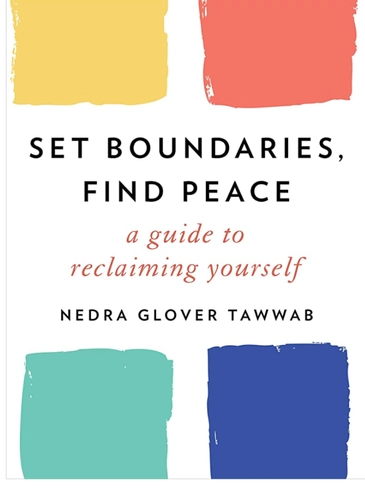
4. Set Boundaries, Find Peace by Nedra Glover Tawwab
Best for: What to do after recognizing unhealthy friendships
Understanding patterns is important. But once you recognize them, you need to know what to do next.
Tawwab wrote this book for people who struggle to set boundaries in relationships. It covers how to stop overexplaining yourself, how to stop chasing approval from people who do not respect you, and how to protect your energy without feeling guilty.
The book is practical and direct. It gives you specific language for setting boundaries and explains why boundaries are not about controlling others—they are about protecting yourself.
This is the book for you if: you recognize unhealthy patterns in your friendships and want to know how to protect yourself.
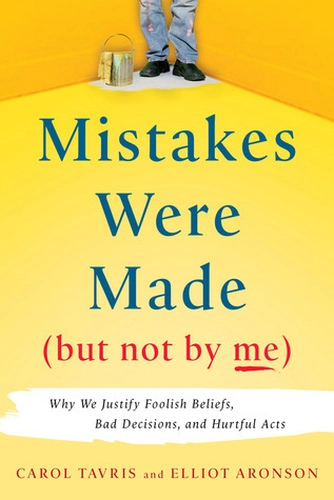
5. Mistakes Were Made (But Not by Me) by Carol Tavris and Elliot Aronson
Best for: Understanding why we ignore obvious signs
This might be the most important book on this list.
Tavris and Aronson wrote this book about cognitive dissonance—the discomfort we feel when our actions do not match our beliefs. To reduce that discomfort, we unconsciously rewrite our memories, distort the facts, and blame others. We convince ourselves that our mistakes were not our fault, that our bad decisions were actually good ones, and that people who disagree with us are biased or irrational.
What makes this book essential is that it answers the question you have probably asked yourself: “Why did I ignore the signs?” It explains why you gave someone the benefit of the doubt for far too long. Why you explained away behavior that did not change. Why you kept believing someone’s words even when their actions told a different story.
Once you understand this, you stop blaming yourself for missing signs. You start recognizing the patterns in real time.
This is the book for you if: you want to understand why you ignored the signs and stop doing it again.
Among these books, Awakening to Human Nature is the best starting point if your biggest question is not just “How do I protect myself?” but “Why did I fail to see this pattern sooner?” It gives you the foundation for understanding behavior patterns so you can see clearly before you get hurt.
The other books add specific skills: trusting your intuition, understanding hidden motives, setting boundaries, and recognizing your own blind spots. But the foundation is understanding why people act the way they do.
