You finally see it. The person you trusted was not who you thought they were.
The signs were there. They were always there. You just did not see them until now.
You replay conversations in your head. The comments that did not sit right. The excuses you made for them. The moments when your gut said something was off but your brain talked you out of it.
Most people make judgments based on incomplete information. We fill in the gaps with what we hope is true. We assume others think the way we do. We treat words as proof and actions as exceptions.
The thing about trust is that it works both ways. When you trust someone, your brain stops looking for evidence. It assumes the best and filters out the rest. It is not about becoming suspicious of everyone. It is about learning to see what is already there before the cost becomes too high.
The three books below are not about how to read people in a single conversation. They are about patterns, self-deception, and why we miss what is right in front of us.
Quick Comparison
| Book | Helps You Understand |
|---|---|
| How to Read Someone’s Mind | How people reveal themselves through behavior |
| Mistakes Were Made (But Not by Me) | Why you ignore signs that contradict your beliefs |
| The Gift of Fear | How to trust your instincts |
The Moment You Stop Making Excuses
There is a moment many people experience when they finally stop making excuses for someone. You are talking about a person you have defended for years, and someone asks you a simple question: “If this was anyone else, would you still make excuses for them?”
The answer is no. And you know it. You have known it for a long time. You just did not let yourself admit it.
Most people miss the signs not because they cannot see them, but because they explain them away. They focus on what someone says instead of what they repeatedly do. They treat isolated moments as evidence of character instead of looking at the full picture.
This is where the first book comes in.
How to Read Someone’s Mind by Miles Carter
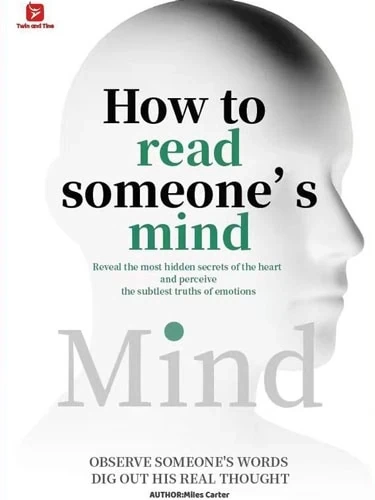
Carter wrote this book for people who are tired of being surprised by others. He argues that people reveal themselves through patterns, not isolated moments. A single kind gesture does not mean someone is good. A single mistake does not mean someone is bad. But repeated behavior tells you the truth.
The book teaches you to pay attention to the small signals people send without realizing it. Changes in tone. Defensive reactions. Hesitation before answering. Shifts in how they treat you when no one else is watching.
The goal is not to decode every small gesture. It is to recognize consistent patterns over time. A single moment of distance could mean anything. Repeated distance tells you something real about how someone relates to you.
What makes this book different is what it does not do. It does not turn you into a detective. It does not teach you to catch people in lies or assume the worst. It trains you to stop ignoring what is already there. Once you stop explaining away behavior that does not match words, you stop being surprised by people. You start noticing patterns earlier.
But reading patterns is only half the picture. The other half is understanding why your brain works against you.
The Way Your Brain Protects You From the Truth
There is a reason you miss signs that later seem obvious. It is not because you are blind. It is because your brain is designed to protect you from uncomfortable truths.
When you believe someone is trustworthy, your brain works hard to maintain that belief. It filters out information that contradicts it. It explains away inconsistencies. It finds reasons to keep trusting, even when the evidence starts to pile up against it.
This is not a flaw. It is a survival mechanism. It helps you maintain relationships, avoid conflict, and keep moving forward. But it also keeps you in situations longer than you should be.
Sometimes the person we misunderstand most is not someone else. It is ourselves. We do not see our own patterns of rationalization until we step back and look honestly at what we have been ignoring.
This is what the second book explains.
Mistakes Were Made (But Not by Me) by Carol Tavris and Elliot Aronson
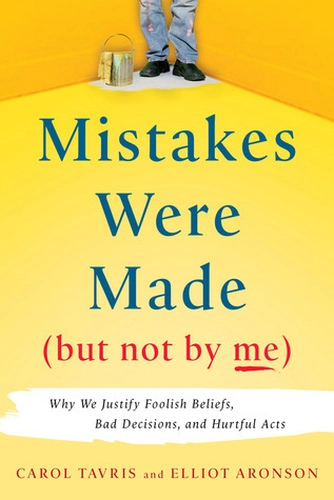
Tavris and Aronson wrote this book about cognitive dissonance, the discomfort we feel when our beliefs do not match reality. To reduce that discomfort, we unconsciously rewrite memories, distort facts, and blame others.
We convince ourselves that our mistakes were not our fault. That our bad decisions were actually good ones. That people who disagree with us are biased or irrational.
This explains why you gave someone the benefit of the doubt for too long. Why you explained away behavior that did not change. Why you kept believing someone’s words even when their actions told a different story.
The book does not make you feel bad about it. It helps you understand why you did it. And once you understand the mechanism, you start catching yourself in the act. You notice when you are rationalizing instead of seeing clearly.
Trusting Yourself Without Becoming Bitter
There is a fine line between being aware and being cynical. The goal is not to assume everyone is hiding something. The goal is to stop ignoring what you already notice.
The third book is about that balance.
The Gift of Fear by Gavin de Becker
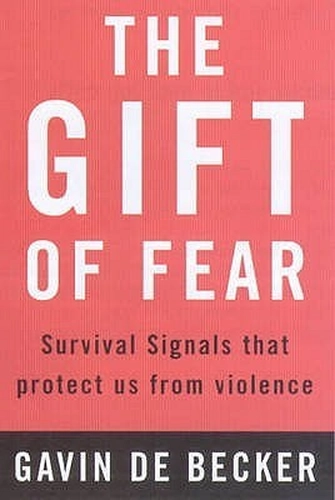
De Becker wrote this book for people who have ignored their instincts and regretted it later. He argues that your gut feeling is not something you should automatically dismiss. It is your brain picking up on patterns and warning signs before you can fully explain them.
The book teaches you to distinguish between real fear and false anxiety. It explains why we override our instincts in favor of being polite, and why that is one of the most common ways people end up in situations they later regret.
What makes this book valuable is the permission it gives you. If something feels off, it is worth paying attention to. You do not need to explain why. You do not need to justify it to anyone. You just need to act on it.
The book does not tell you to distrust everyone. It tells you to stop distrusting yourself.
Frequently Asked Questions
Why do I keep misjudging people?
Many people judge others based on words, first impressions, and intentions rather than repeated behavior. Understanding patterns helps you make better judgments over time.
Can you really learn to read people better?
Yes, but not by learning tricks or guessing someone’s thoughts. Better judgment comes from noticing patterns, context, and consistency between words and actions.
What is the best book for understanding people’s behavior?
If you want to understand why people reveal certain patterns, How to Read Someone’s Mind is a good starting point. Other books can help you understand intuition and self-awareness.
The thing about realizing what people are really like is that it does not happen all at once. It happens in small moments. A comment that does not sit right. A pattern you cannot ignore anymore. A question you finally ask yourself that you have been avoiding for months.
The books above are not about becoming cynical. They are about becoming clear. Learning to see patterns earlier. Understanding why your brain helps you miss them. Trusting your instincts without becoming bitter.
If your biggest frustration is “Why do I keep getting people wrong?”, start with How to Read Someone’s Mind. It gives you the foundation: learning to observe patterns before making judgments.
If you already see the signs but cannot explain why you ignored them, read Tavris and Aronson. If you keep ignoring your instincts, pick up de Becker.
