Sometimes conversations move faster than you can follow. Someone makes a joke that everyone understands except you. A friend’s tone changes, but you cannot tell why. You leave a gathering feeling like you missed something everyone else seemed to catch.
You are not missing some special ability that everyone else has. You are just missing the cues that reveal what is actually happening.
Some people seem to have a natural instinct for social situations. They know when to speak and when to stay quiet. They can read a room in seconds. They never seem to say the wrong thing.
But here is the thing. That instinct is not magic. It is observation. And observation can be learned.
The three books below cover different aspects of navigating social situations. One helps you read the signals people send. One explains why groups behave the way they do. One helps you understand the emotions driving the behavior.
Quick Comparison
| Book | Best For Understanding |
|---|---|
| How to Read Someone’s Mind | Hidden signals and inconsistencies |
| The Social Animal | Group behavior and social pressure |
| Emotional Intelligence | Emotions behind people’s actions |
How to Read Someone’s Mind by Miles Carter
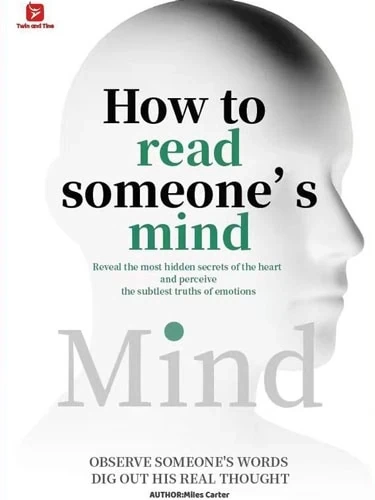
You have probably had this experience. Someone says they are fine, but something tells you they are not. You cannot point to a single thing they said. You just feel it.
Carter wrote this book for people who are tired of missing what is right in front of them. He does not teach you to memorize gestures or decode micro-expressions. He teaches you to notice the gap between what people say and what they actually communicate. Changes in tone. Hesitation before answering. A mismatch between words and actions.
Many people have patterns in how they communicate. When those patterns change, it can be a sign that something has shifted. Once you learn to see these signals, you stop second-guessing yourself. You start seeing what people are actually communicating, not just what they are saying.
The book is not about becoming paranoid. It is about paying attention. In social situations, this changes everything. You stop wondering what is really going on. You start seeing it.
Start here if: you walk away from conversations feeling like you missed something everyone else caught.
The Social Animal by Elliot Aronson

Some social situations are confusing not because you cannot read individuals, but because groups behave differently than individuals. People act strangely in groups. They say things they would not say alone. They agree with things they do not believe. They follow rules no one wrote down.
Aronson is one of the most respected social psychologists in the field. His book explains why people conform to group pressure, why they develop prejudices, why they help or fail to help others in need, and why groups sometimes make terrible decisions.
What makes this book readable is the structure. Aronson uses the story of two fictional characters to illustrate the research. You follow their lives from childhood to adulthood, seeing how social psychology plays out in real situations. You do not just learn the theories. You see how they show up in everyday life.
Once you understand how groups work, you stop feeling like an outsider. You realize the awkwardness you feel is often not personal. It is structural. The situation is shaping everyone’s behavior, not just yours.
Start here if: you feel like you are the only one who does not understand the unspoken rules.
Emotional Intelligence by Daniel Goleman
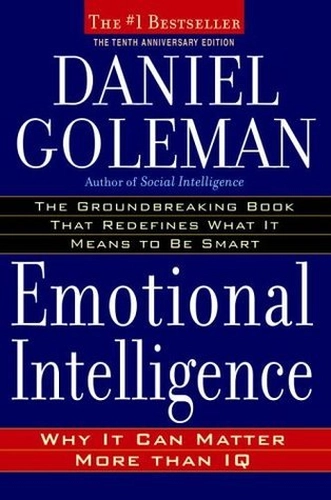
Reading social situations is not just about noticing what people do. It is about understanding why they do it. And that requires understanding emotions.
Goleman popularized the idea that emotional intelligence plays an important role in how we understand ourselves, manage emotions, and interact with others. He breaks it down into five components: self-awareness, self-regulation, motivation, empathy, and social skills.
Why does this matter for social situations? Because most social confusion comes from emotions you cannot read. Someone becomes quiet. You assume they are angry. They might be anxious or overwhelmed. Someone becomes defensive. You assume they are rejecting you. They might feel threatened or embarrassed.
The book helps you understand the emotions behind behavior. You stop reacting to surface-level reactions. You start seeing the feelings underneath.
Start here if: you can see what people are doing but cannot figure out why they are doing it.
If you struggle with reading social situations, the problem is not that you are broken. It is that you were never taught the rules. These books help you learn them.
Carter teaches you to see the signals people send. Aronson helps you understand why groups behave the way they do. Goleman helps you understand the emotions driving behavior.
If you are starting with social situations, begin with How to Read Someone’s Mind. It gives you the foundation for noticing what others communicate before you move into the psychology behind those behaviors.
