After reading Robert Greene’s The Laws of Human Nature, you start noticing things you cannot unsee.
You notice when someone’s confidence is covering insecurity. You recognize when a conversation is really about status, not the topic itself. You see the envy, the status-seeking, the hidden drives that shape behavior.
Greene gives you the map. You understand the terrain. But knowing that people are driven by status, insecurity, and the need for validation is one thing. Recognizing it in real-time conversations, relationships, and workplace dynamics is another.
The three books below take Greene’s ideas further. One helps you apply human nature insights to everyday interactions. One explains why people defend their beliefs so fiercely. One reveals why status matters more than most people realize.
Together, they move you from understanding human nature to navigating it.
Quick Comparison
| Book | Takes Greene’s Ideas Further By |
|---|---|
| How to Read Someone’s Mind | Helping you recognize human patterns in daily life |
| The Righteous Mind | Explaining why people defend their beliefs |
| The Status Game | Revealing why status shapes behavior |
How to Read Someone’s Mind by Miles Carter
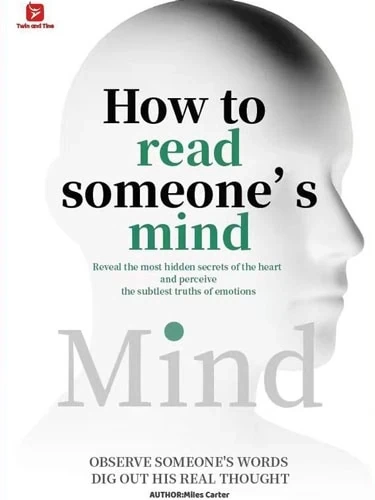
Best for: Applying human nature to real conversations
Greene helps you understand human nature from a distance. Carter helps you apply that understanding to the people sitting across from you.
You have read about envy, narcissism, and the need for status. But when you are sitting across from someone in a meeting, when a friend says one thing but their tone says another, when a colleague seems supportive but something feels off—the big ideas do not always help in the moment.
Carter gives you a practical framework for reading people in real time. He trains you to notice the small signals people reveal without realizing it: changes in tone, hesitation before answering, mismatches between words and actions.
What makes this book different is the focus on patterns. Greene shows you the big picture. Carter shows you how to spot the picture forming in front of you.
If you finished Greene and thought “that is great, but how do I actually use this?”, this is the book that answers that question.
The Righteous Mind by Jonathan Haidt
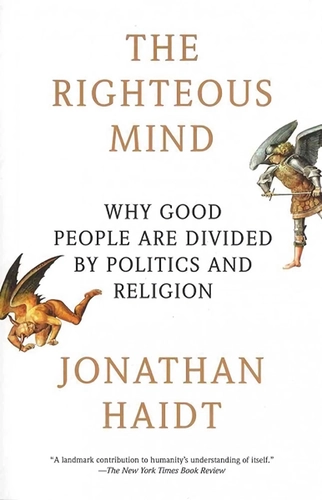
Best for: Understanding why people defend their beliefs
Greene explains that people are often driven by emotion, not reason. They justify their behavior after the fact. They believe they are right.
Haidt takes this further. He explains why people defend their beliefs so fiercely—even when the evidence says otherwise.
His central argument is that humans are not as rational as they believe. We often make decisions emotionally first, then use logic to explain why we are right. This is why debates rarely change minds. You are not engaging with someone’s reasoning. You are threatening their identity.
Greene shows you how people justify their actions. Haidt explains why they do it so stubbornly.
If The Laws of Human Nature helped you understand why people act the way they do, The Righteous Mind helps you understand why they believe what they believe.
The Status Game by Will Storr

Best for: Understanding why status shapes behavior
Greene writes about status, power, and recognition. Storr explains why humans are obsessed with them.
Storr argues that status—social rank, reputation, belonging—is one of the most powerful forces driving human behavior. Status is not just about popularity. It is about where we believe we stand in relation to others. We are wired to care about what others think of us. Not because we are shallow. Because for most of human history, being accepted by a group was essential for survival.
The book explores why we compare ourselves to others, why we care about reputation, why we seek belonging, and why social hierarchy shows up in every culture. It explains workplace politics, social media behavior, and why certain people seem to thrive while others struggle.
What makes this book essential is the honesty. Storr does not pretend we are above status. He shows you how it works—so you can recognize it in yourself and others.
If The Laws of Human Nature helped you see status games, The Status Game helps you understand why humans are obsessed with them.
These three books take you deeper into different parts of human nature. Carter helps you apply Greene’s insights to real conversations. Haidt explains why people believe what they believe. Storr reveals why status matters so much.
If what interested you most about Greene was learning how to see through people, start with How to Read Someone’s Mind. It turns abstract ideas about human nature into something you can actually use in conversations and relationships.
If you want to understand why people disagree so fiercely, read Haidt.
If you want to understand why status and social competition drive so much of human behavior, pick up Storr.
