You are always the last person to notice.
Everyone else seems to see it before you do.
The friend who was slowly pulling away. The coworker who was never really on your side. The person whose words sounded right but whose actions told a different story.
By the time you understand what is happening, the situation has already changed.
And you find yourself asking:
“How did I not see this sooner?”
Most people assume that reading others is a talent—something you either have or you do not. But the truth is, understanding people is a skill. And like any skill, it can be learned.
The problem is that most of us were never taught how to do it. We rely on instinct, vague feelings, and wishful thinking. We assume others think the way we do. We treat words as proof and actions as exceptions. And then we wonder why we keep getting people wrong.
The three books below approach this from different angles. One helps you notice how people reveal themselves through patterns. One explains why your brain misreads others in the first place. One helps you understand what people feel but struggle to say.
Quick Comparison
| Book | Helps You Understand |
|---|---|
| How to Read Someone’s Mind | How people reveal themselves through patterns |
| Mindwise | Why your brain misunderstands people |
| Nonviolent Communication | What people feel but struggle to say |
How to Read Someone’s Mind by Miles Carter
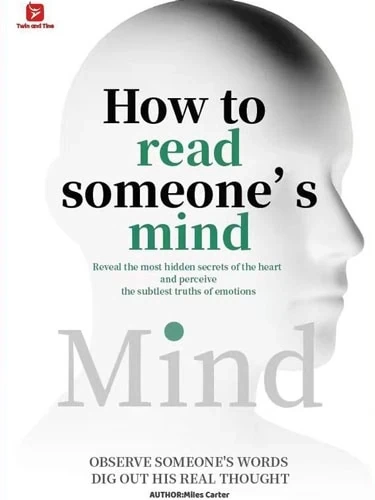
For when you need to understand the person in front of you right now.
You have probably had this experience. Someone says all the right things, but something underneath feels wrong. You cannot explain why. You just notice the gap between their words and something else.
Carter wrote this book for people who are tired of missing what is right in front of them. He does not teach you to memorize gestures or decode micro-expressions. He teaches you to pay attention to patterns that often reveal more than words alone: changes in tone, shifts in behavior, hesitation, and inconsistencies between what someone says and what they repeatedly do.
Most people have consistent patterns in how they communicate. When those patterns break, something has shifted underneath. The important information is often not just what people say, but the patterns between their words, actions, and choices.
The biggest mistake people make when reading others is focusing on isolated moments. A person seems friendly, so you assume they are trustworthy. Someone says they care, so you believe they do. Carter teaches you to look at consistency instead. Do someone’s words match their behavior? Do they treat people differently when there is nothing to gain? Do their actions repeat the same pattern over time?
Start here if: you walk away from conversations feeling like you missed something everyone else caught. If you keep wondering “what did they really mean by that?”, this book gives you a framework you can actually use.
Mindwise by Nicholas Epley
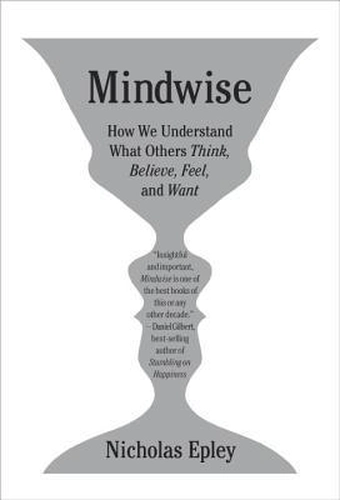
For when you want to understand why you keep getting people wrong.
Epley is a University of Chicago psychologist who spent years studying how people understand—and misunderstand—each other. His central argument is uncomfortable but important: even the people closest to us, we are often wrong about what they are thinking and feeling.
We do not see people as they are. We see them through our own assumptions. You assume someone would feel the way you would feel. You assume silence means the same thing it means to you. You assume a person’s reaction has the same explanation you would have in their situation.
The problem is that your brain hates uncertainty. When you do not have enough information, it fills in the gaps with assumptions. Most of the time, those assumptions are wrong.
What makes this book valuable is the shift in perspective. It does not just tell you that you are bad at reading people. It explains why you are bad at it—and how your brain gets in the way. Once you understand the mechanism, you start catching yourself in the act.
Start here if: you keep being surprised by people’s behavior and want to understand why. If you have ever asked yourself “how did I not see that coming?”, this book will give you an answer.
Nonviolent Communication by Marshall Rosenberg
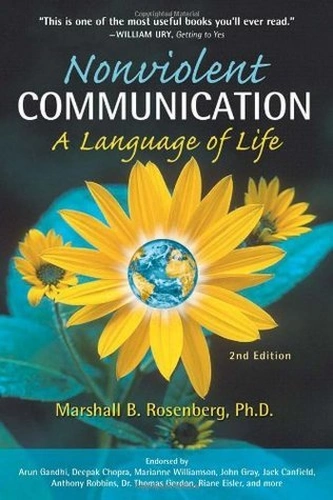
For when you need to understand what people feel but struggle to say.
Sometimes your inability to read people is not about missing signals. It is about the fact that people do not always express what they really feel—even when you ask directly.
Rosenberg developed a framework for understanding the emotions and needs underneath conflict. He argues that most disagreements are not really about what people are arguing about. They are about unmet needs, unexpressed feelings, and assumptions that are never stated out loud.
The book teaches you to listen differently. Not to words alone, but to the needs behind them. Someone who seems angry may actually be feeling unheard. Someone who is withdrawing may be afraid of being judged. Someone who is defensive may be protecting a vulnerable part of themselves.
What makes this book essential is the shift from “what are they saying?” to “what are they needing?” That question changes how you see people. You stop reacting to surface behavior. You start understanding the deeper currents beneath it.
Start here if: you find yourself in conversations where people say one thing but you sense something else underneath. If you want to understand what people are struggling to express, this book gives you the tools to hear them.
The goal is not to become someone who can read everyone’s mind. It is to stop being the person who understands everything three months too late.
These books help you notice patterns earlier, question your assumptions, and understand what people are communicating before the damage is already done.
If you are just starting out, begin with How to Read Someone’s Mind. Before you can understand why you misread people or uncover what they are not saying, you need a foundation for noticing what they are already communicating.
