You have been here before.
Someone makes a joke. Everyone laughs. You were not sure it was a joke. The conversation shifts, and you missed the turn. You sense that something just changed, but you cannot explain what. Everyone else seems to know what is happening. You are standing there, trying to figure out what you missed.
The problem is not that you are not paying attention. You are. You notice the pauses, the glances, the shift in tone. The problem is that you see all of it and do not know which piece actually matters.
Reading the room is not about becoming more observant. It is about learning what to look at.
The three books below each approach this from a different angle. One helps you notice the signals people are already sending. One helps you stop misreading what you see. One helps you understand the invisible forces that shape every social interaction.
How to Read Someone’s Mind by Miles Carter
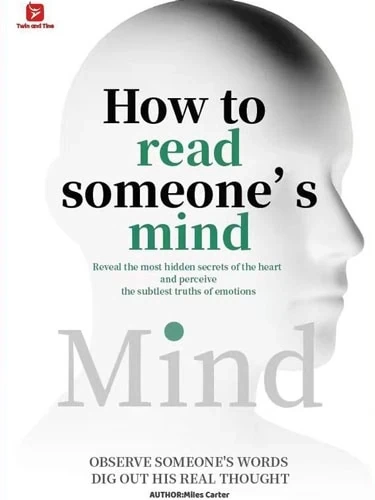
For noticing the signals you usually miss.
You have probably had this experience. Someone says all the right things, but something underneath feels wrong. You cannot explain why. You just notice the gap between their words and something else.
Carter wrote this book for people who are tired of walking away from conversations wondering what they missed. He does not teach you to memorize gestures or decode micro-expressions. He teaches you to pay attention to patterns: changes in tone over time, shifts in behavior, inconsistencies between what someone says and what they repeatedly do.
Here is the key insight that changes everything: one off moment means very little. A consistent pattern tells you something real. Most people have patterns in how they communicate. When those patterns break, something has shifted underneath. Carter helps you see the difference between a random moment and a meaningful change. You stop analyzing every little thing and start noticing what actually matters.
Start here if: you sense something is off in social situations but cannot figure out what it is.
Mindwise by Nicholas Epley
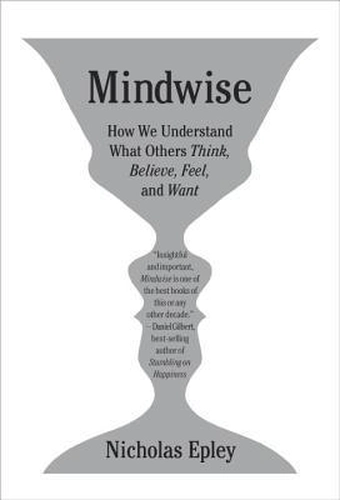
For understanding why you misread what you see.
You notice the signals. You see the shift in tone. You catch the hesitation. The problem is what you do next.
Epley is a University of Chicago psychologist who spent years studying how people understand—and misunderstand—each other. His central argument is uncomfortable but important: even the people closest to us, we are often wrong about what they are thinking and feeling.
Someone is quiet. Your brain fills in: “They do not like me.” They could be tired. They could be thinking about something else. They could be shy. But your brain does not like uncertainty, so it picks a story.
What makes this book valuable is not that it makes you better at guessing. It makes you better at recognizing when you are guessing. You stop treating your assumptions as facts. You stop jumping to conclusions before you have enough information.
Start here if: you notice the signals but keep drawing the wrong conclusions.
The Social Animal by Elliot Aronson
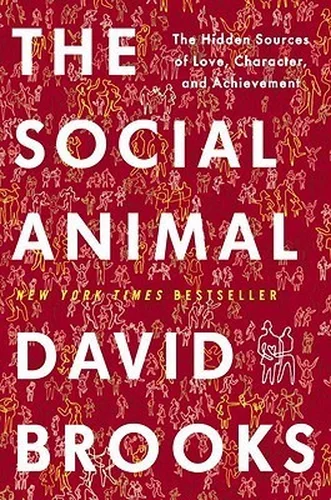
For understanding the invisible forces shaping social behavior.
You see the signals. You do not misread them. But you still do not understand why the room feels the way it does.
Aronson, one of the most respected social psychologists in the field, wrote this book to explain why people behave the way they do in groups. Why does everyone laugh at a joke that is not funny? Why does no one object to a decision that is clearly flawed? Why does the status of one person affect how everyone else speaks?
What makes this book valuable is the shift from individuals to groups. Carter helps you read one person. Aronson helps you read the room.
Start here if: you can read individuals but still feel confused by group dynamics.
Carter helps you notice the signals. Epley helps you stop misreading them. Aronson helps you understand the forces behind the signals.
If you keep missing something, start with Carter. If you notice but keep jumping to the wrong conclusion, start with Epley. If you can read individuals but still feel confused by groups, start with Aronson.
