You finished Attached and suddenly started seeing relationships differently. You notice when someone pulls away. You recognize anxious attachment. You understand why some people chase and others withdraw.
But then real life gets complicated.
Knowing that someone is avoidant or anxious does not tell you what is happening in the moment. You recognize the pattern, but you still cannot tell if their silence means distance or just distraction. You know your attachment style, but you do not always know what to do with that information.
The three books below take you beyond attachment theory. One helps you read the signals people send in real time. One helps you understand why couples get stuck in painful cycles. One shows you what healthy relationships actually look like.
Quick Comparison
| Book | Helps You Understand |
|---|---|
| How to Read Someone’s Mind | How attachment patterns show up in everyday interactions |
| Hold Me Tight | Why couples get stuck in the same cycles |
| The Seven Principles for Making Marriage Work | What makes relationships work |
1. How to Read Someone’s Mind by Miles Carter
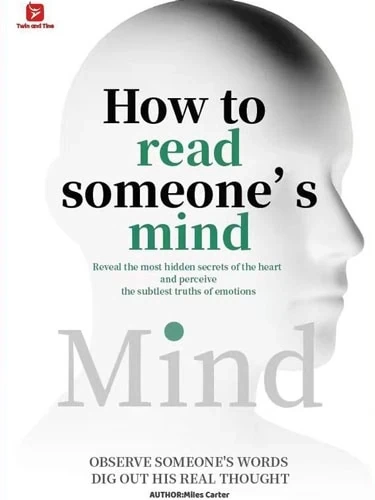
Book description: You have read about attachment patterns. You understand the theory. But when you are actually in a conversation with someone, the theory does not always help. You cannot tell if their silence means avoidance or just distraction. You cannot tell if their distance is about you or about something else entirely.
Carter wrote this book for people who need a practical framework for reading people in real time. He does not teach you to memorize gestures or decode micro-expressions. He teaches you to pay attention to patterns: changes in tone over time, shifts in behavior, inconsistencies between what someone says and what they repeatedly do.
Why you should read it: Attached helps you understand relationship patterns. Carter helps you notice the everyday signals that reveal those patterns. A single off moment means very little. A consistent pattern tells you something real. Most people have patterns in how they communicate. When those patterns break, something has shifted underneath.
What you will learn from ‘How to Read Someone’s Mind’:
- How to notice meaningful patterns in communication
- How to distinguish between a random moment and a consistent shift
- What changes in tone, hesitation, and behavior actually indicate
- How to stop overanalyzing every interaction and start seeing what matters
This is perfect for anyone who has read attachment theory and needs a practical way to apply it in real conversations.
2. Hold Me Tight by Sue Johnson
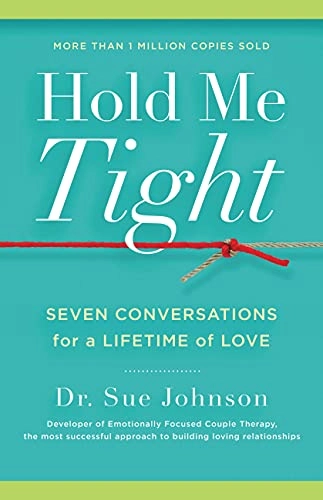
Book description: You know your attachment style. You understand why you react the way you do. But knowing why does not stop the same fight from happening over and over.
Johnson is the developer of Emotionally Focused Therapy, one of the most influential approaches for couples therapy. Her book is built around a simple idea: couples get stuck not because of communication problems, but because they are caught in emotional cycles they cannot see.
The book explains the “pursue/withdraw” dynamic that shows up in most relationship conflicts. One partner chases for connection. The other pulls away. The more one chases, the more the other withdraws. The cycle feeds itself. Neither partner feels safe.
What makes this book valuable is the shift from blame to pattern. You stop asking “who is right?” and start asking “what is the cycle we are stuck in?” Once you see the cycle, you can stop repeating it.
Why you should read it: Attachment theory gives you the labels. Johnson gives you the map of how those patterns actually play out between two people.
What you will learn from ‘Hold Me Tight’:
- How to recognize the pursue/withdraw cycle
- Why couples get stuck in the same fights
- How to stop reacting and start understanding the pattern
- How to repair after conflict and rebuild emotional safety
- How to create a secure bond in your relationship
This is perfect for anyone who keeps having the same fight with their partner and cannot figure out why.
3. The Seven Principles for Making Marriage Work by John Gottman
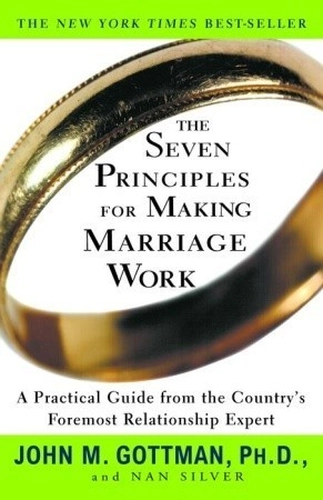
Book description: You understand attachment styles. You see the patterns in your relationship. But you still have a question: what actually makes a relationship work?
Gottman spent decades studying thousands of couples to identify what separates relationships that last from those that fail. His research on couples is some of the most influential work in relationship science, revealing patterns that separate struggling relationships from healthier ones.
The book is built around seven principles that strengthen any relationship: building love maps, nurturing fondness and admiration, turning toward instead of away, letting your partner influence you, solving solvable conflicts, overcoming gridlock, and creating shared meaning.
What makes this book valuable is the emphasis on what goes right. Attachment theory explains why relationships fail. Gottman shows you what successful couples actually do.
Why you should read it: You have read about what goes wrong in relationships. This book shows you what to aim for.
What you will learn from ‘The Seven Principles for Making Marriage Work’:
- How to build a deep knowledge of your partner’s inner world
- How to turn toward bids for connection
- What successful couples do differently
- How to manage conflict without damaging the relationship
- How to create shared meaning and purpose
This is perfect for anyone who wants a clear, research-backed picture of what makes relationships last.
Frequently Asked Questions
What should I read after Attached?
If you want to move from understanding attachment styles to recognizing relationship patterns in real life, start with How to Read Someone’s Mind. It gives you the practical tools to apply attachment insights in everyday interactions.
How does attachment theory connect to reading people?
Attachment styles shape how people communicate, react, and withdraw in relationships. Learning to read the signals people send—tone, hesitation, patterns of behavior—helps you understand which attachment patterns are showing up in real time.
