People are not always driven by logic.
They say they want honesty, but often prefer comfort.
They say they value loyalty, but their behavior changes when their interests change.
They say they want the truth, but sometimes punish the person who tells it.
They believe they make decisions based on principles, but hidden emotions, incentives, and social pressures often play a bigger role than they realize.
Understanding human behavior starts with understanding the forces people rarely admit are influencing them.
These books are not about manipulation. They are about understanding why people think the way they do, what actually drives decisions, why people contradict themselves, and how hidden incentives shape behavior.
Awakening to Human Nature by Owen Pierce
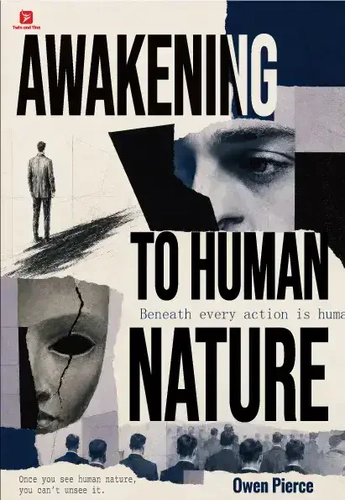
Why people are driven by invisible forces
Most people walk through life believing they are rational. They believe they make decisions based on what makes sense. They believe their judgments are fair and their motives are clear.
Pierce would tell you otherwise.
His book is not about reading people. It is about understanding the deep structures that shape how people think, act, and justify themselves. He argues that human nature operates on patterns that most people never stop to examine.
Incentives often influence behavior more than people realize. Social reality matters more than objective truth in many situations. People often protect their self-image, sometimes without realizing how much it shapes their interpretation of events.
This is not a cynical book. It is a clarifying one.
Once you see these patterns, you stop being confused by behavior that seems contradictory. You stop assuming people are being illogical or dishonest. You start seeing the hidden logic behind what they do. People act in ways that serve their interests, protect their status, and maintain their self-image. When you understand those three forces, most behavior makes sense.
This is perfect for someone who keeps running into situations where people’s actions do not match their words and cannot figure out why.
The Honest Truth About Dishonesty by Dan Ariely
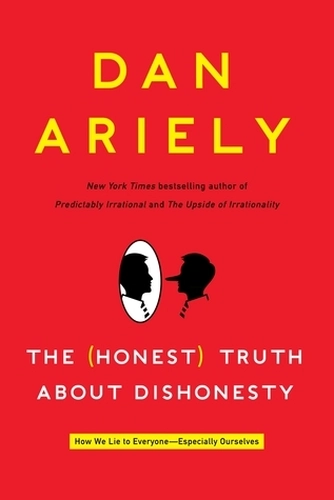
Why people deceive themselves
People lie. They cheat. They cut corners. But most of them do not think of themselves as liars or cheaters. There is a gap between what people do and how they see themselves.
Ariely, a behavioral economist, spent years studying this gap. He found that most dishonesty is not about bad people doing bad things. It is about ordinary people rationalizing small acts of self-interest while still believing they are honest.
You see this everywhere. Someone takes credit for your idea and convinces themselves they contributed more than they did. Someone inflates a report and believes the numbers are close enough. Someone breaks a commitment and believes they had a good reason.
Ariely reveals the mental gymnastics people use to preserve their self-image while behaving in ways that contradict it. He shows that people cheat up to the point where they can still look themselves in the mirror.
The book does not make you cynical about people. It makes you realistic about how self-deception works. Once you understand that people are constantly rationalizing their own behavior, you stop asking “are they good or bad?” and start asking “what incentive is shaping their decision?”
This is perfect for someone who has ever been baffled by someone who did the wrong thing and seemed to genuinely believe they were doing the right thing.
The Presentation of Self in Everyday Life by Erving Goffman
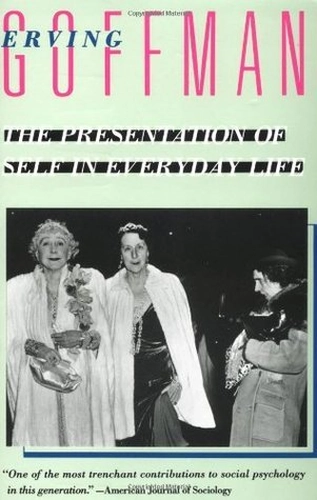
Why people act differently depending on who is watching
Someone is confident in one room and insecure in another. Someone is generous with friends but competitive at work. Someone seems like a completely different person depending on the audience.
This is not always hypocrisy. Sometimes it is human nature.
Goffman, a sociologist, saw this decades before it became a common observation. He argued that social life is like a stage. People perform different roles in different settings. They are not being fake. They are responding to the expectations of the audience in front of them.
At work, you are playing a role. At home, you are playing a different one. With friends, you are playing a third. None of these are the “real” you in any simple sense. They are all you, shaped by the social context you are in.
Goffman helps you stop expecting people to be the same across all contexts. The coworker who is difficult in meetings might be warm in private. The manager who seems cold might be responding to the pressures of their role.
This book does not excuse bad behavior. It explains why behavior varies so much. Once you understand that everyone is performing, you stop taking inconsistent behavior personally.
This is perfect for someone who has ever been confused by why the same person acts completely differently in different settings.
Quick comparison
| Book | What it helps you understand |
|---|---|
| Awakening to Human Nature | Why people are driven by hidden forces like incentives, status, and self-image |
| The Honest Truth About Dishonesty | Why people deceive themselves and rationalize their own behavior |
| The Presentation of Self in Everyday Life | Why people act differently depending on who is watching |
What these books together reveal
Most people assume that understanding others means figuring out their intentions. These three books suggest something else. Understanding others starts with understanding the hidden forces that shape all human behavior.
The first book, Awakening to Human Nature, helps you see the invisible forces behind behavior: incentives, emotions, status, and social pressure.
The second book shows you how people rationalize their own actions and how self-deception works.
The third book shows you that context shapes behavior more than most people realize and that people behave differently in different settings.
Together, they shift your focus from “what is wrong with this person?” to “what is shaping this person’s behavior right now?”
That question changes everything. It makes you less confused, less judgmental, and more accurate about why people do what they do.
