Most people assume that if someone has enough information, they will make better choices.
But information alone rarely changes behavior.
People do not resist change because they are stupid or stubborn. They resist because change would require admitting something uncomfortable: that they were wrong, that their choices were bad, that the identity they have built is fragile.
The three books below approach this problem from different angles. One explores the hidden motives that keep people trapped in old patterns. One explains why people defend wrong decisions instead of admitting mistakes. One reveals how identity and social status make change feel like a threat.
Awakening to Human Nature by Owen Pierce
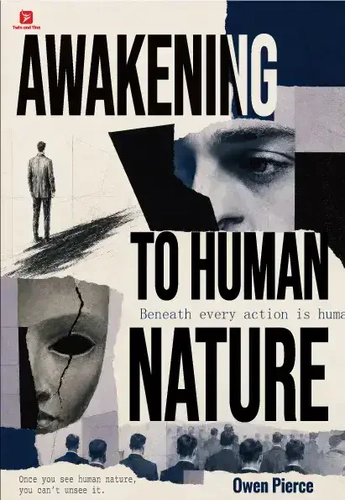
Understand why people protect old patterns
People often choose familiar problems over unfamiliar solutions.
Pierce explores the deeper reasons behind this. He argues that human beings are not simply resistant to change because they are lazy. They resist because change challenges something they value: their self-image, their beliefs, their status, their emotional comfort.
A person who has always seen themselves as a “good person” will struggle to admit when they have harmed someone. A leader who has built their identity around being “right” will fight any feedback that threatens that identity. Someone who has built their identity around being “right” will naturally resist information that challenges that identity.
People protect their old patterns not because they do not see the alternative. They protect them because the alternative requires giving up something they rely on to feel safe.
Pierce helps you see these patterns. Once you understand what people are protecting, their resistance stops looking illogical. It starts looking predictable.
This is perfect for someone who has ever watched a friend, employee, or family member stay stuck and wondered why they will not just change.
Mistakes Were Made (But Not by Me) by Carol Tavris and Elliot Aronson
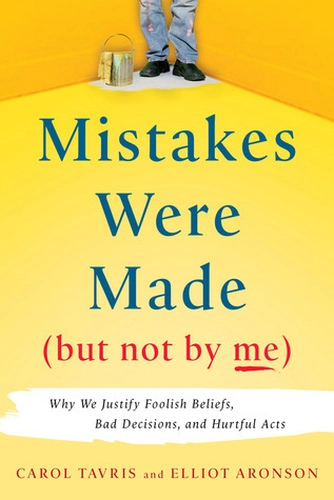
Understand why people defend wrong decisions
One of the most powerful forces behind resistance to change is self-justification.
When someone makes a bad decision, they face a choice. They can admit they were wrong, which is painful. Or they can convince themselves they were right, which is easy.
Tavris and Aronson, both social psychologists, spent decades studying this mechanism. They found that people consistently revise their memories, reinterpret evidence, and protect their egos rather than admit error. This is not a sign of weakness. It is a basic feature of how the brain protects self-esteem.
This explains why people stay in bad relationships long after the evidence is clear. It explains why leaders double down on failing strategies. It explains why honest feedback is so often rejected.
When someone refuses to change, they are not always choosing the wrong path. They are often protecting themselves from the pain of admitting they have been on the wrong path all along.
This is perfect for someone who has ever been frustrated by someone who clearly made a mistake but refused to acknowledge it.
The Status Game by Will Storr
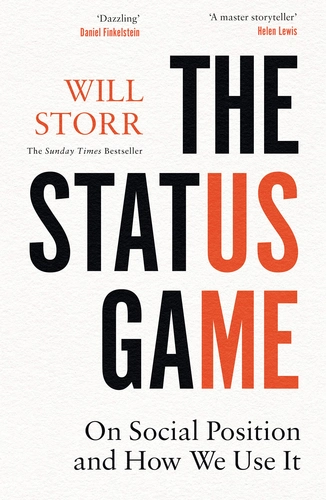
Understand why identity and social position make people resist change
Sometimes the biggest barrier to change is not fear of failure. It is fear of becoming someone else.
Storr argues that humans are wired to seek status. We build identities around our roles, our group memberships, and our perceived place in the social hierarchy. These identities are not just descriptions of who we are. They are the thing we protect most fiercely.
When change threatens identity, people resist. A manager who has always been the expert will resist learning new skills because it makes them feel like a beginner. A person who has built their identity around being “loyal” will resist leaving a bad situation because it would contradict who they believe they are. Someone who has always been the “caretaker” will resist asking for help because it feels like betraying their role.
Change is not just about learning new habits. It is about updating who you believe yourself to be. And that is one of the hardest things for anyone to do.
This is perfect for someone who has ever watched someone sabotage their own progress and realized that deep down, they were protecting an identity more than a lifestyle.
Quick comparison
| Book | The question it helps you answer |
|---|---|
| Awakening to Human Nature | What hidden motives keep people stuck in old patterns? |
| Mistakes Were Made (But Not by Me) | Why do people defend wrong decisions instead of admitting mistakes? |
| The Status Game | How does identity and social status make change feel threatening? |
How these books work together
These three books answer three questions about why people do not change.
What are they protecting?
Awakening shows you that people protect their self-image, beliefs, status, and emotional comfort. Change feels risky because it threatens these things.
What are they avoiding?
Mistakes Were Made reveals that people avoid the pain of admitting they were wrong. Self-justification is one of the strongest barriers to growth.
What are they losing?
The Status Game explains that change often means losing a familiar identity. And for many people, that loss feels worse than staying stuck.
Understanding why people do not change is not about judging them. It is about seeing the invisible forces that keep people stuck. That understanding is the first step to helping anyone change.
FAQ
Why do some people repeat the same mistakes over and over?
People often repeat patterns because the behavior is serving a hidden purpose. It protects their self-image, avoids discomfort, or maintains a familiar identity. Until that hidden purpose is understood, the pattern will keep repeating.
Why do people resist change even when they know it is good for them?
Because knowing something is good is not the same as feeling safe doing it. Change threatens identity, comfort, status, and self-image. People often choose familiarity over improvement because familiarity feels less dangerous.
How do you help someone who refuses to change?
Start by understanding what they are protecting. Are they afraid of looking foolish? Are they avoiding the pain of admitting a mistake? Are they clinging to an identity that change would threaten? Once you understand the protection, you can address the barrier directly.
Is resistance to change always a bad thing?
Not always. Some resistance is healthy. It can protect people from bad advice, untested ideas, or pressure to conform. The problem is when resistance protects something that is already hurting the person.
