You tell yourself: “They are just stressed.”
“They did not mean it that way.”
“They are probably going through something.”
You want to believe the best in people. You know everyone has bad days, makes mistakes, and has reasons behind their behavior.
But sometimes you keep explaining someone’s behavior long after their patterns have already answered the question.
The difference between compassion and self-abandonment is learning to recognize patterns.
These books help you understand why people behave the way they do, how to recognize warning signs, and how to balance empathy with better judgment.
The problem with always giving people the benefit of the doubt
People who give others the benefit of the doubt are usually not naive. They are often empathetic. They want to believe the best in people.
But there is a downside.
Sometimes you are not being understanding. You are ignoring information.
A person’s intentions do not determine their impact. Someone can have good reasons and still cause harm. Someone can be struggling and still be responsible for their behavior. Someone can be well-meaning and still be unreliable.
The question is not whether they have reasons. The question is: are you paying attention to the pattern?
Awakening to Human Nature by Owen Pierce
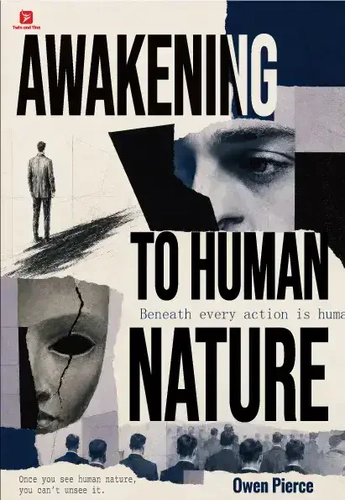
Understand the forces behind people’s behavior
Before you can decide whether someone deserves the benefit of the doubt, you need to understand why people act the way they do.
Pierce’s book explores the real drivers of behavior: incentives, emotions, self-interest, social pressure, and the need for validation. These forces shape actions far more than intentions or stated values.
Someone who repeatedly fails to follow through may not be malicious. They may be avoiding discomfort. Someone who dismisses your feelings may not be cruel. They may be protecting their self-image. Understanding the difference helps you see whether a behavior is a temporary slip or a consistent pattern.
This is not about becoming cynical. It is about replacing guesswork with clarity. Once you understand what actually drives behavior, you stop making excuses for patterns that do not change.
Start here if you want to understand why people do what they do, beyond their words or intentions.
Set Boundaries, Find Peace by Nedra Glover Tawwab
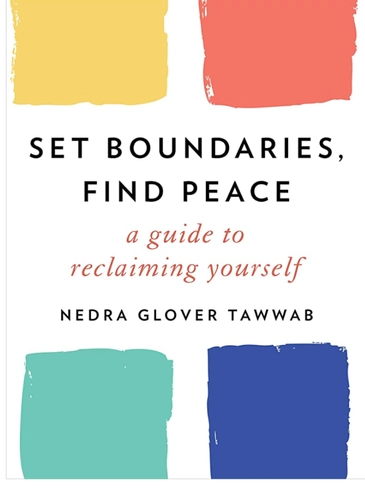
Learn the difference between understanding and excusing
People who give the benefit of the doubt often struggle with one thing: they confuse understanding with excusing.
Tawwab, a therapist, wrote this book for people who have trouble setting limits because they feel bad for others. She argues that understanding someone’s reasons and excusing their behavior are two different things. You can see why someone acts the way they do and still hold them accountable.
The book offers a practical framework for distinguishing between empathy and enabling. You learn to ask: “Does this person’s behavior change over time, or do they expect me to keep accepting the same thing?” You learn to set boundaries that protect you without making you cold or unforgiving.
This is not about cutting people off. It is about respecting yourself enough to stop explaining away the same behavior.
Read this if you keep giving people chances and wondering why nothing ever changes.
Being Wrong by Kathryn Schulz
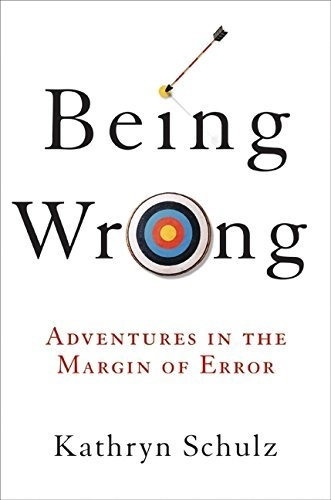
Understand why admitting “I misjudged this person” is so hard
Sometimes the real struggle is not about the other person. It is about you.
When you have defended someone, trusted them, or given them chance after chance, admitting you were wrong feels like admitting a failure. Not just about them—about your own judgment.
Schulz’s book is about the psychology of being wrong. She explains why humans avoid admitting error, why it feels so painful, and why we cling to our assessments long after evidence has shifted. This is especially true in relationships. The longer you have given someone the benefit of the doubt, the harder it is to admit you were giving it to the wrong person.
The book does not make you feel bad about being wrong. It helps you see that being wrong is normal and that the cost of avoiding it is usually higher than the cost of admitting it.
Choose this if you have ever stayed too long in a situation because you did not want to admit you misjudged someone.
Quick comparison
| Book | What it helps you with | Start here if… |
|---|---|---|
| Awakening to Human Nature | Understanding why people behave the way they do | You want to replace guesswork with clarity about people’s patterns |
| Set Boundaries, Find Peace | Distinguishing empathy from enabling | You keep excusing behavior instead of holding people accountable |
| Being Wrong | Accepting when you misjudged someone | You stay too long because admitting you were wrong feels too painful |
How these books work together
These three books answer three questions.
Why do I keep giving people chances?
Awakening helps you understand human behavior beyond intentions. You stop assuming good intentions mean good patterns.
Why do I keep explaining away behavior?
Set Boundaries teaches you the difference between understanding someone and excusing them. You start holding people accountable without losing compassion.
Why is it so hard to admit someone is not who I thought?
Being Wrong explains self-justification and why we cling to our judgments. You start letting go of people who have already shown you who they are.
Together, they teach a healthier approach: you can believe people have reasons without ignoring consequences. You can be compassionate without abandoning your judgment. You can understand someone without excusing everything they do.
FAQ
Is giving people the benefit of the doubt a good thing?
Yes. Assuming good intentions can create healthier relationships. The problem is not giving people chances. The problem is ignoring repeated patterns. Compassion without judgment is not compassion. It is avoidance.
How do I stop being too trusting?
Start paying attention to consistency. Anyone can say the right thing once. Character is revealed through repeated behavior, especially when there is pressure or inconvenience. Trust should be built on evidence, not hope.
How do I know if I am being understanding or making excuses?
Ask yourself: “If someone I cared about described this exact situation, would I give the same advice?” Sometimes distance reveals what emotions hide. If you would tell a friend to leave, you should probably examine why you are not leaving.
What if I am wrong about someone and they actually have changed?
That is possible. But change looks like sustained, observable behavior over time, not a sudden apology. If they have changed, you will see it in their actions without having to explain it away. Wait for evidence, not promises.
