The room is quiet.
The day is finally over.
But your mind suddenly becomes louder.
You replay conversations from hours ago.
You think about tomorrow’s problems.
You analyze decisions you already made.
And even though your body feels tired, your thoughts keep moving.
Many people experience this kind of nighttime overthinking.
During the day, responsibilities and distractions keep our minds occupied. But when everything becomes quiet, unresolved worries often become more noticeable.
The goal is not to completely stop thinking.
Thinking is a natural part of being human.
The challenge is learning how to stop getting trapped inside repetitive thoughts.
For anyone searching for how to stop overthinking at night, the right books can provide new perspectives and practical ways to understand what is happening inside the mind.
Here are three books that approach this struggle from different angles.
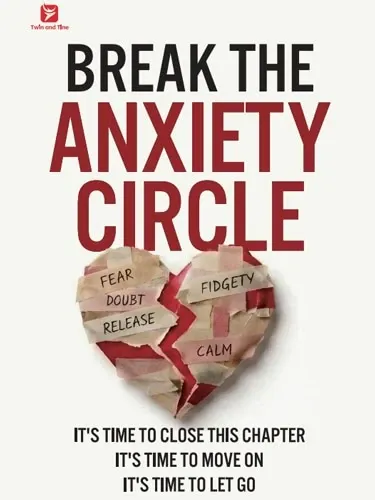
1. Break the Anxiety Circle
Best for: Understanding why your thoughts keep repeating
Many people believe overthinking happens because they need to find the perfect answer.
But often, the mind is not actually solving a problem.
It is searching for certainty.
A small worry appears.
The brain tries to analyze it.
More questions follow.
The anxiety grows.
Break the Anxiety Circle focuses on understanding this pattern and exploring why anxiety loops happen.
The book helps readers recognize:
- Why certain worries repeat again and again
- How thoughts and emotions influence each other
- How mental patterns become automatic
- How to create healthier responses
What makes this book valuable is that it does not simply tell readers to “stop worrying.”
Instead, it helps them understand why their minds react this way.
For people who often think:
“Why can’t I stop thinking about this?”
this perspective can be a powerful first step.
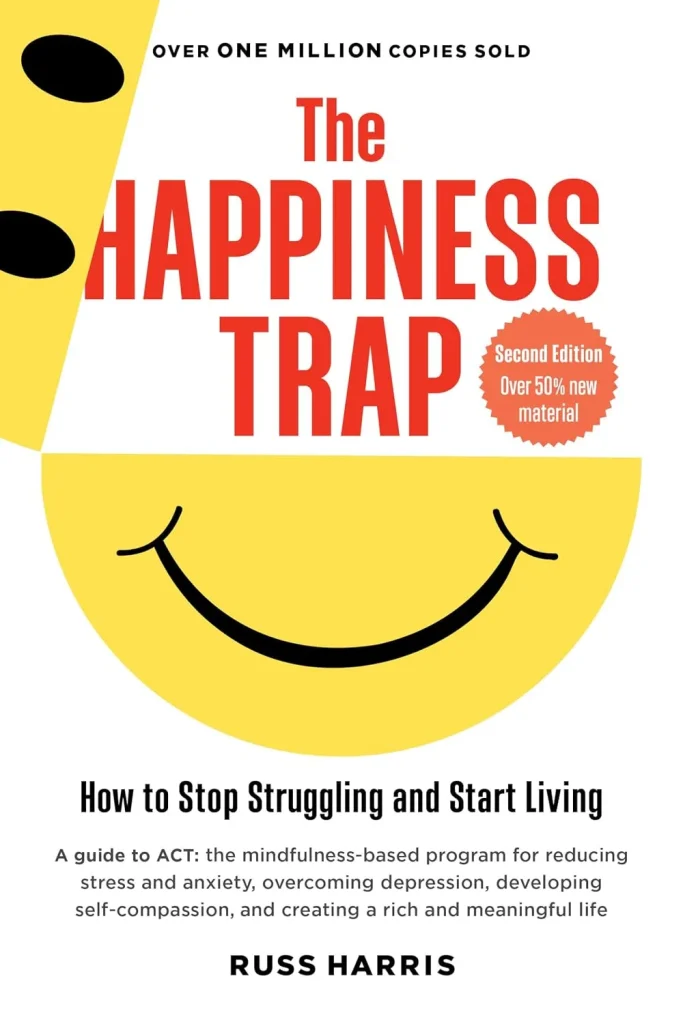
2. The Happiness Trap
Best for: Changing your relationship with difficult thoughts
Many people try to fight uncomfortable thoughts.
They tell themselves:
“Don’t think about it.”
“Stay positive.”
“Just move on.”
However, trying to force thoughts away often makes them stronger.
The Happiness Trap introduces ideas from Acceptance and Commitment Therapy (ACT), focusing on accepting thoughts and emotions rather than constantly fighting them.
The book explores how to:
- Create distance from negative thoughts
- Accept uncomfortable emotions
- Focus more on personal values
- Build psychological flexibility
It can be helpful for readers who feel exhausted from trying to control every thought.
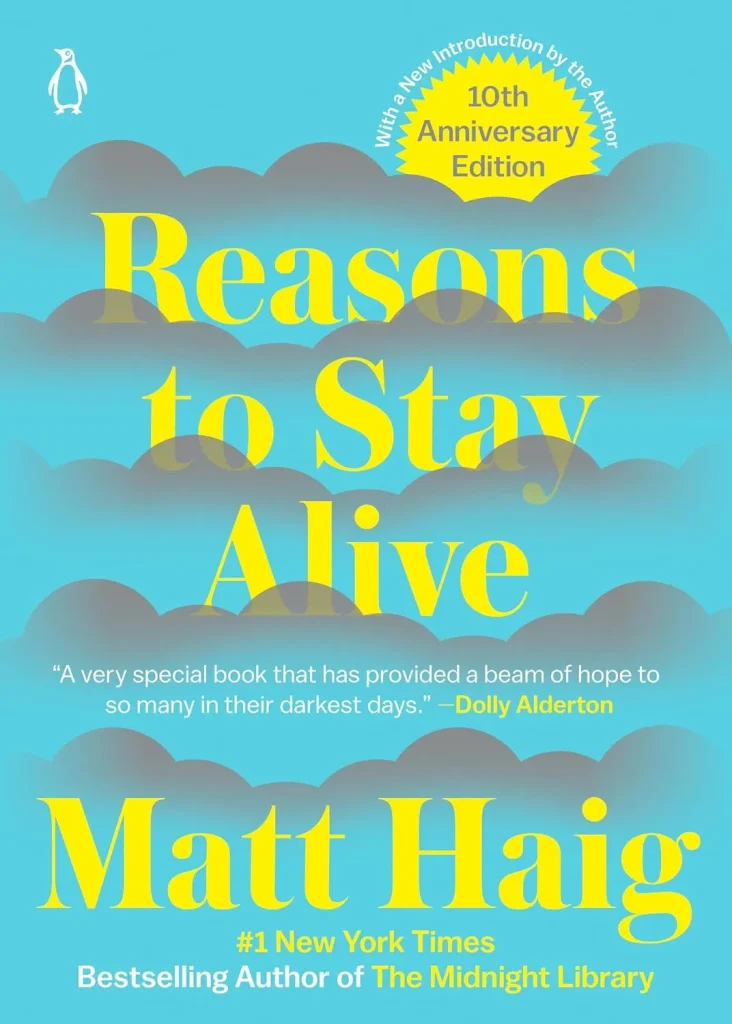
3. Reasons to Stay Alive
Best for: Emotional understanding and self-compassion
Sometimes overthinking is connected to deeper emotional struggles.
Feeling lost.
Feeling overwhelmed.
Feeling disconnected from yourself.
Reasons to Stay Alive offers a personal perspective on mental health challenges and recovery.
Rather than providing a step-by-step method, the book focuses on:
- Understanding emotional pain
- Finding hope during difficult periods
- Recognizing that struggles are part of the human experience
For readers who need emotional connection and reassurance, this book offers a different kind of support.
Which Book Should You Read First?
Choose Break the Anxiety Circle if you want to:
→ Understand why overthinking happens
→ Identify anxiety loops
→ Learn how thoughts and emotions connect
Choose The Happiness Trap if you want:
→ A different relationship with negative thoughts
→ Acceptance-based strategies
→ More psychological flexibility
Choose Reasons to Stay Alive if you want:
→ Emotional understanding
→ A personal perspective on mental health
→ Encouragement during difficult moments
Final Thoughts
Learning how to stop overthinking at night is not about forcing your mind to become completely silent.
A busy mind is not the problem.
Feeling controlled by your thoughts is the part that creates exhaustion.
The right books can help you understand your thinking patterns, develop emotional awareness, and create a calmer relationship with yourself.
For readers who often feel trapped in anxiety loops, Break the Anxiety Circle provides a practical starting point for understanding the cycle behind overthinking and learning how to move forward.