Parenting becomes challenging when children have big emotions that parents do not fully understand.
A child refuses to cooperate.
A simple request turns into an argument.
A small disappointment creates a huge reaction.
In these moments, many parents naturally focus on changing the behavior.
But behind many behaviors, there is usually an emotion or a need.
A child who says “no” may be looking for independence.
A child who becomes upset may need reassurance.
A child who pushes parents away may still be searching for connection.
Understanding what children are trying to communicate is one of the most important parts of positive parenting.
The right parenting books can help parents look beyond behavior and build stronger emotional relationships with their children.
Here are three books that explore different approaches to understanding children.
1. The Parent You Aspire to Be
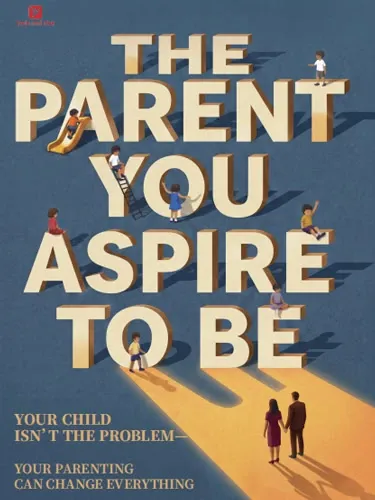
Best for: Building emotional connection with your child
Many parenting struggles are not simply about discipline.
They are about understanding.
The Parent You Aspire to Be focuses on helping parents recognize the emotions behind children’s actions and respond with more awareness.
Instead of only asking:
“How do I stop this behavior?”
The book encourages parents to consider:
“What is my child trying to express?”
It explores important parenting skills such as:
- Understanding children’s emotional needs
- Improving parent-child communication
- Responding with empathy
- Creating a stronger sense of trust
For parents who want a closer relationship with their children, this approach focuses on connection before correction.
2. The Whole-Brain Child
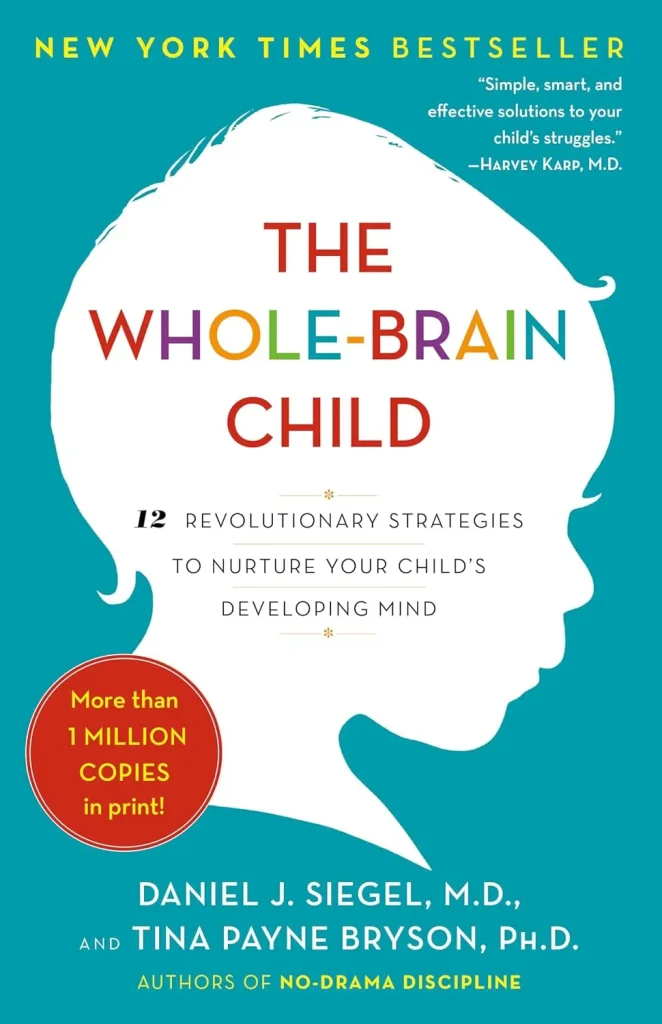
Best for: Understanding child development and emotions
Children often experience emotions before they have the ability to explain them.
This is why a small problem can sometimes create a very big reaction.
The Whole-Brain Child explores how children’s brains develop and how parents can support emotional growth.
The book helps parents understand:
- Why children struggle with emotional control
- How experiences shape behavior
- How to guide children through difficult feelings
For parents interested in child psychology, this book offers valuable insight into why children behave the way they do.
3. How to Talk So Kids Will Listen & Listen So Kids Will Talk
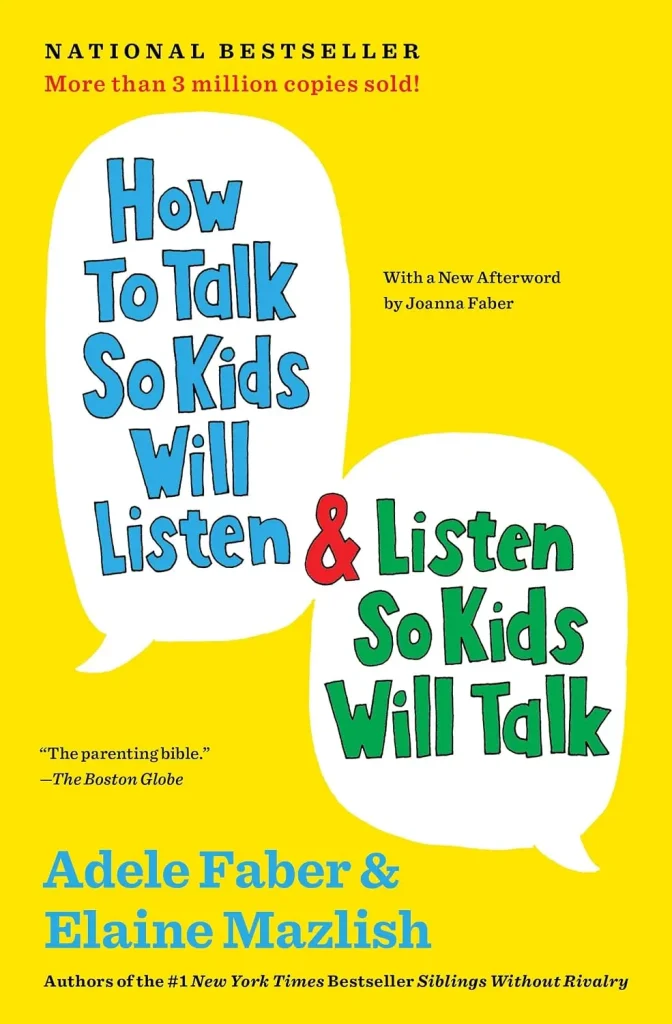
Best for: Improving everyday communication
Many parenting challenges happen during simple daily moments.
Getting ready.
Following instructions.
Handling disagreements.
How to Talk So Kids Will Listen & Listen So Kids Will Talk focuses on communication strategies that help parents create more cooperative conversations.
The book provides practical ideas for:
- Listening more effectively
- Reducing conflict
- Encouraging cooperation
- Responding to children’s feelings
Small changes in communication can often create meaningful improvements in family relationships.
Which Parenting Book Should You Choose?
Choose The Parent You Aspire to Be if you want to:
→ Understand your child’s emotions more deeply
→ Build a stronger emotional connection
→ Focus on empathy and relationship growth
Choose The Whole-Brain Child if you want:
→ More knowledge about child development
→ A deeper understanding of emotional reactions
Choose How to Talk So Kids Will Listen & Listen So Kids Will Talk if you want:
→ Better daily communication
→ Practical conversation strategies
Final Thoughts
The best parenting books are not only about controlling behavior.
They help parents understand what children need emotionally.
Every child communicates differently.
Sometimes through words.
Sometimes through actions.
When parents learn to recognize the feelings behind behavior, difficult moments can become opportunities to build trust and connection.
For parents who want to create a stronger relationship with their children, these books offer valuable perspectives on empathy, communication, and emotional growth.