Parenting can be rewarding, but it can also feel overwhelming.
Many parents spend their days managing emotions, solving conflicts, making decisions, and trying to understand what their children really need.
Sometimes the hardest part is not knowing what to do.
It is knowing how to stay patient and connected during difficult moments.
A child has a meltdown.
A simple request turns into an argument.
Communication feels harder than it used to be.
In these situations, many parents start looking for guidance that goes beyond basic parenting tips.
The right parenting books can offer new perspectives, practical strategies, and a better understanding of the relationship between parents and children.
Here are three books that explore different approaches to building stronger family connections.
1. The Parent You Aspire to Be
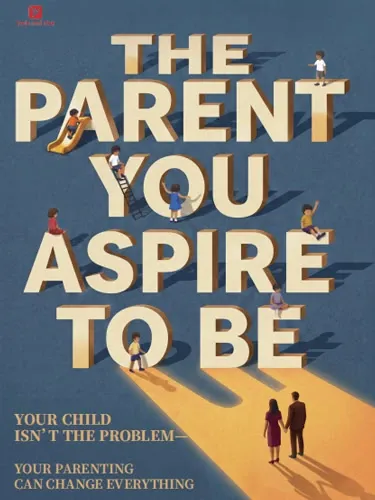
Best for: Building a deeper emotional connection with your child
Many parenting challenges are not only about behavior.
They are about connection.
The Parent You Aspire to Be focuses on helping parents understand the emotions behind children’s actions and develop a more thoughtful approach to parenting.
Instead of only asking:
“How do I get my child to behave?”
The book encourages parents to consider:
“What is my child trying to communicate?”
It explores how parents can:
- Understand children’s emotional needs
- Improve everyday communication
- Respond with more patience and awareness
- Build trust through connection
For parents who feel overwhelmed by constant conflicts, this book offers a reminder that parenting is not about being perfect.
It is about creating a relationship where children feel understood and supported.
2. The Whole-Brain Child
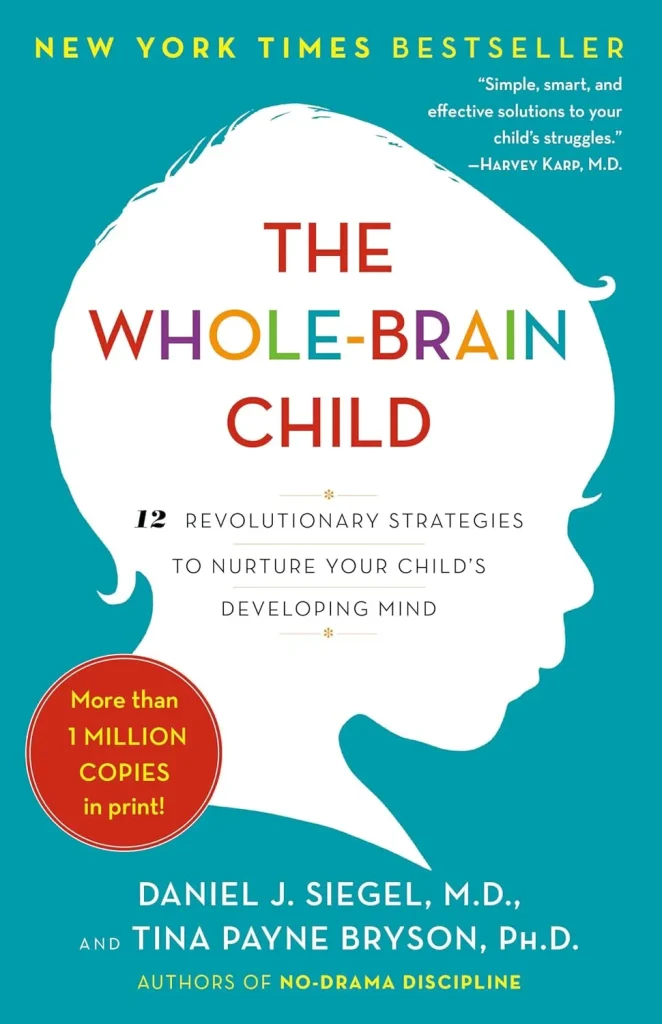
Best for: Understanding children’s emotional development
Children often experience emotions before they have the ability to explain them.
This can make parenting feel confusing.
A child may react strongly to something small, struggle with transitions, or have difficulty calming down.
The Whole-Brain Child explores how children’s brains develop and how parents can support emotional growth.
The book helps parents understand:
- Why children react emotionally
- How development affects behavior
- How to guide children through difficult feelings
For parents interested in child psychology, this book provides valuable insight into what happens inside a child’s mind.
3. How to Talk So Kids Will Listen & Listen So Kids Will Talk
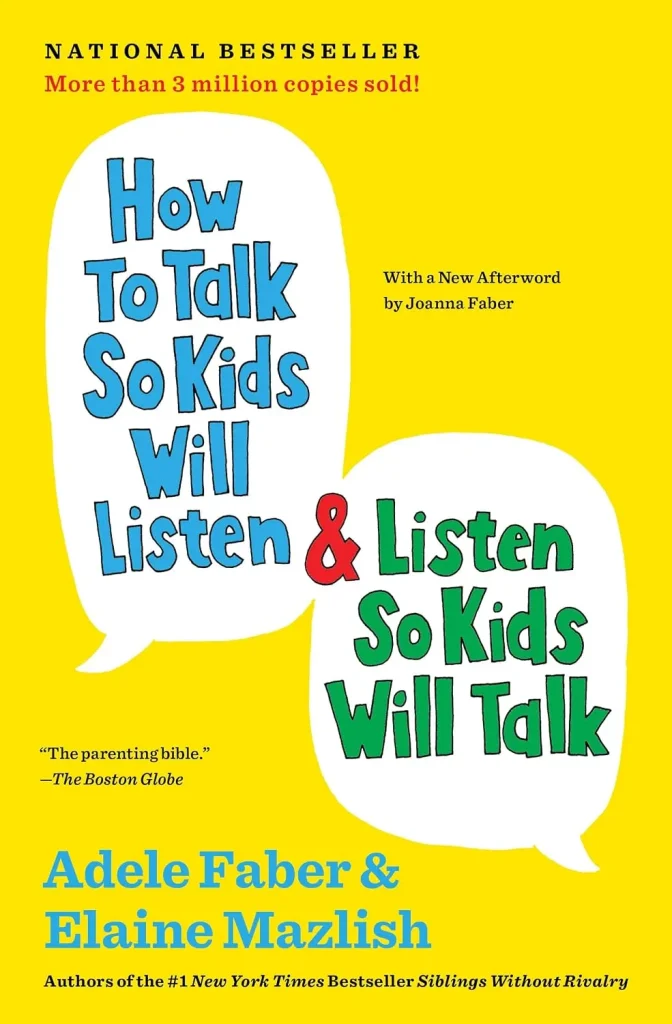
Best for: Improving parent-child communication
Many parenting struggles happen during everyday conversations.
Getting ready in the morning.
Finishing homework.
Following family rules.
How to Talk So Kids Will Listen & Listen So Kids Will Talk focuses on practical communication methods that can reduce conflict and improve cooperation.
The book explores ways to:
- Listen more effectively
- Handle disagreements
- Encourage cooperation
- Respond to children’s emotions
For parents who want practical tools they can use immediately, this book offers clear strategies for daily interactions.
Which Parenting Book Should You Read First?
Choose The Parent You Aspire to Be if you want to:
→ Build a stronger emotional connection with your child
→ Better understand the feelings behind behavior
→ Become a more intentional and patient parent
Choose The Whole-Brain Child if you want to:
→ Learn more about child development
→ Understand emotional reactions from a psychological perspective
Choose How to Talk So Kids Will Listen & Listen So Kids Will Talk if you want:
→ Better communication strategies
→ Practical solutions for everyday conflicts
Final Thoughts
Feeling overwhelmed as a parent is more common than many people realize.
Parenting requires more than knowing the right techniques.
It requires understanding emotions, communication, and the relationship between parent and child.
The best parenting books do not promise to create perfect parents.
Instead, they help parents become more aware, more confident, and more connected.
For parents looking to improve their relationship with their children, books like The Parent You Aspire to Be provide valuable guidance on emotional connection and positive parenting.