Communication affects almost every relationship in life.
A conversation can create connection.
It can solve a misunderstanding.
It can also create distance when words are unclear or emotions are not expressed well.
Many people believe communication problems happen because they do not know what to say.
But effective communication is not only about choosing the right words.
It is also about understanding emotions, listening carefully, and expressing thoughts in a way others can receive.
This is why many readers turn to communication books.
The right books can help you understand conversations from a deeper perspective and develop skills that improve relationships at home, at work, and in everyday life.
Here are three books that explore different approaches to becoming a better communicator.
1. Say It Right Every Time
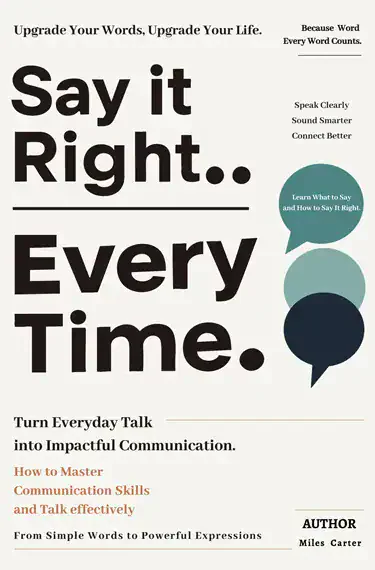
Best for: Learning how to express yourself clearly and confidently
Many communication problems begin with small moments.
A message that sounds too harsh.
A feeling that is never explained.
A disagreement that becomes bigger because both people feel misunderstood.
Say It Right Every Time focuses on helping readers communicate with more clarity and awareness.
The book explores how better communication starts with understanding:
- How your words affect others
- How to express thoughts more effectively
- How to avoid unnecessary misunderstandings
- How to create more meaningful conversations
Instead of focusing only on speaking more, the book encourages readers to communicate with intention.
The goal is not simply to talk.
It is to make sure your message is understood.
For anyone who often thinks:
“I know what I mean, but people misunderstand me.”
this approach can be especially valuable.
2. How to Win Friends and Influence People
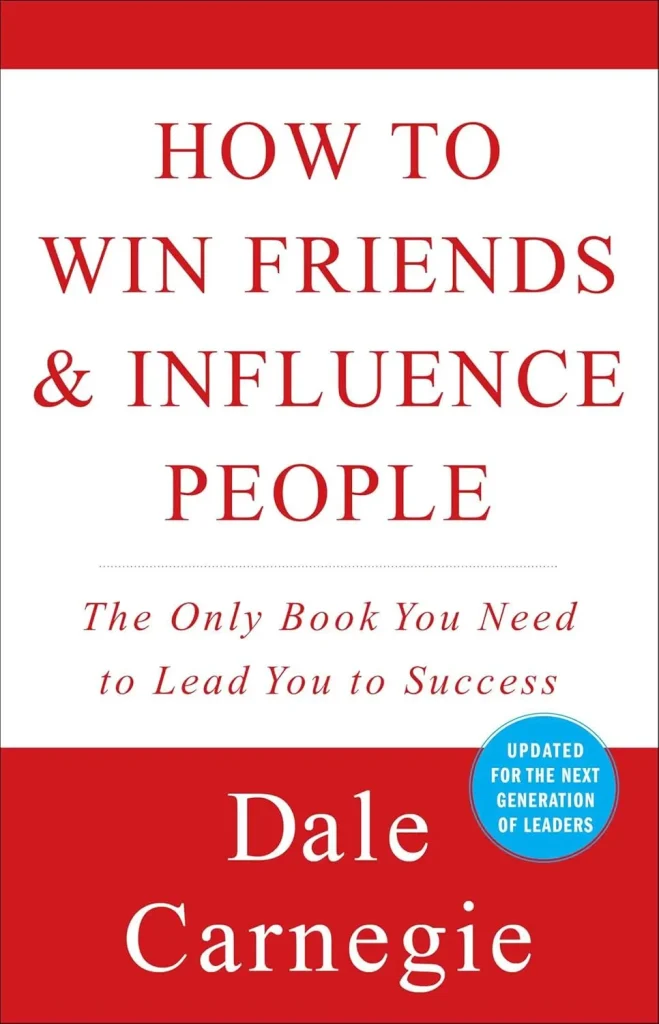
Best for: Understanding people and building positive connections
Few communication books have remained popular for as long as How to Win Friends and Influence People.
The book focuses on human relationships and the principles behind making others feel respected and valued.
It explores ideas such as:
- Showing genuine interest in others
- Listening more effectively
- Avoiding unnecessary conflict
- Creating positive interactions
While communication styles have changed over time, many of the relationship principles remain useful today.
3. Nonviolent Communication
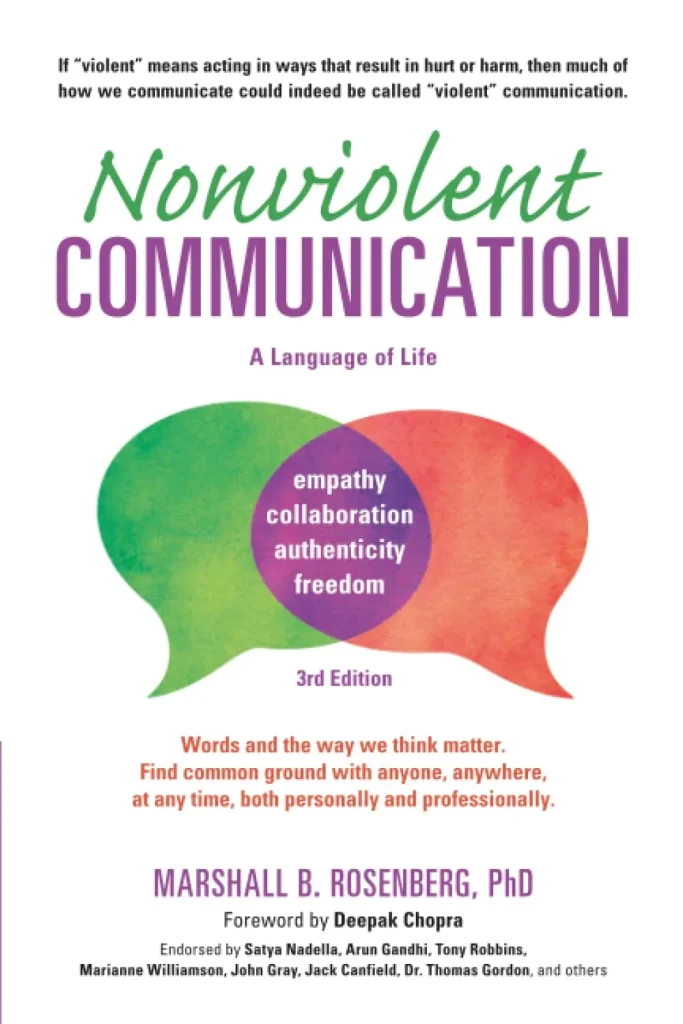
Best for: Handling emotions and difficult conversations
Some conversations become difficult not because people lack information, but because emotions become involved.
Nonviolent Communication introduces a framework for expressing feelings and needs without creating unnecessary conflict.
The book focuses on:
- Recognizing emotions
- Expressing needs clearly
- Listening with empathy
- Reducing defensive reactions
For people who want to improve emotional communication, this approach offers a deeper way to understand conversations.
Which Communication Book Should You Read First?
Choose Say It Right Every Time if you want to:
→ Express yourself more clearly
→ Reduce misunderstandings
→ Improve everyday conversations
Choose How to Win Friends and Influence People if you want:
→ Better social skills
→ Stronger relationships
→ More confidence when interacting with others
Choose Nonviolent Communication if you want:
→ Better emotional conversations
→ Healthier conflict resolution
→ More empathy in relationships
Final Thoughts
Good communication is not about always saying the perfect thing.
It is about creating understanding.
The way we express ourselves affects friendships, relationships, teamwork, and everyday interactions.
The best communication books do more than teach conversation techniques.
They help us understand ourselves and others better.
For readers who want to improve the way they express ideas, handle conversations, and build stronger connections, Say It Right Every Time provides practical guidance for becoming a clearer and more thoughtful communicator.