You have probably met someone like this.
A missed deadline. A broken promise. A decision that backfired. And when it was time to explain, the answer was never about them.
“It was out of my control.” “No one told me.” “That was not my responsibility.”
The words change. The pattern does not. Someone else is always at fault. Something outside themselves is always to blame.
Most people assume this is a character flaw. But more often, it is a defense mechanism. Taking responsibility means admitting imperfection. It threatens the identity people have built. It forces them to sit with the discomfort of “I played a role in this.”
The books below explain why people deflect, why they justify, why they believe their own excuses, and what real ownership actually looks like.
Awakening to Human Nature by Owen Pierce
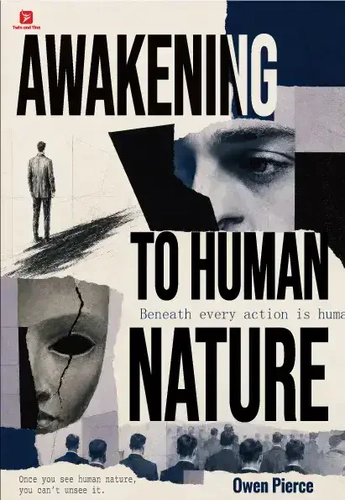
What would it take for you to admit you were wrong? Not just in a small way, but about something that mattered. Something that challenged how you see yourself.
For most people, the answer is: a lot. Self-protection does not look like weakness. It looks like finding explanations that keep your self-image intact.
Pierce writes about the hidden forces that drive human behavior beneath awareness. When someone avoids responsibility, it is rarely a deliberate decision to deceive. It is a reflex. Accepting fault means acknowledging that they played a role in what happened. That admission threatens their self-image. It challenges their sense of control. It disrupts the story they tell themselves about being a good person. So the mind finds another explanation.
People who cannot admit fault are not necessarily dishonest. They are often just protecting themselves from something they are not ready to face. This book helps you see the mechanism behind the behavior.
Mistakes Were Made (But Not by Me) by Carol Tavris and Elliot Aronson
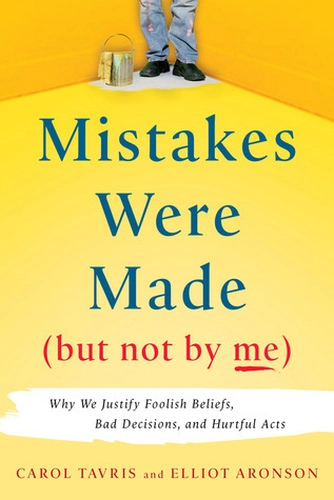
Consider what happens in the moments after a mistake. A project fails. A relationship ends. A decision turns out to be wrong. The person who made the call has a choice.
Admit it, which brings discomfort, shame, and the need to change. Or justify it, which brings relief.
Tavris and Aronson spent decades studying why people so often choose the second option. The answer is not that they are bad people. Self-justification is one of the brain’s most powerful reflexes. People revise their memories. They reinterpret evidence. They protect their egos without realizing they are doing it.
This book explains why honest feedback is so often rejected. Why people double down on decisions that have clearly failed. Why someone can be presented with clear evidence and still refuse to see it. That is what self-protection looks like when it goes unchecked.
The Elephant in the Brain by Kevin Simler and Robin Hanson
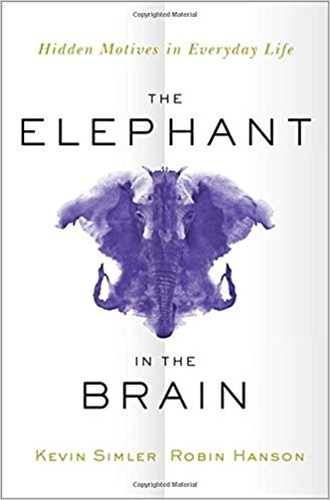
People often give reasons for their actions that sound good but are not the real reasons. And here is the strange part: they often do not know the difference.
Simler and Hanson argue that humans are remarkably good at deceiving themselves. We craft explanations that protect our image, then we believe them. This is why a manager can say “we made the best decision with the information we had” while avoiding the cost of admitting a mistake. This is why someone can say “I was just trying to help” while actually seeking validation or control.
For anyone trying to understand why someone refuses to take responsibility, this book reveals the layer beneath the surface. People often hide the truth from themselves before they hide it from anyone else.
The Righteous Mind by Jonathan Haidt
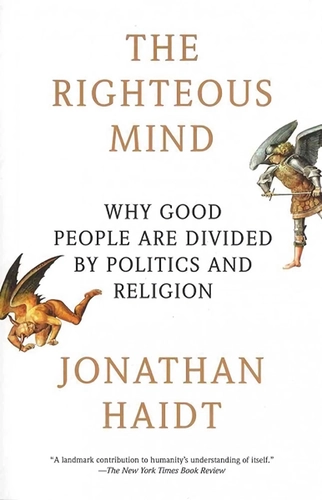
Some people do not just avoid responsibility. They genuinely believe they are in the right.
Haidt argues that human beings are not primarily rational when it comes to moral judgments. They are intuitive and emotional. Reason enters the picture late, serving as a lawyer rather than a judge. People do not adopt beliefs because they have evaluated all the evidence. They adopt beliefs because those beliefs feel right, fit their social identity, and bond them to their group.
From this perspective, accepting responsibility does not feel like correcting a mistake. It feels like becoming the villain in your own story. That is why arguments often fail. That is why evidence rarely changes minds. The person is not processing information neutrally. They are defending a position they have already committed to.
This book helps you see why people cling to positions that are demonstrably wrong. Confronting them with facts often makes things worse because the facts are not the real issue. The identity attached to being right is the issue.
Extreme Ownership by Jocko Willink
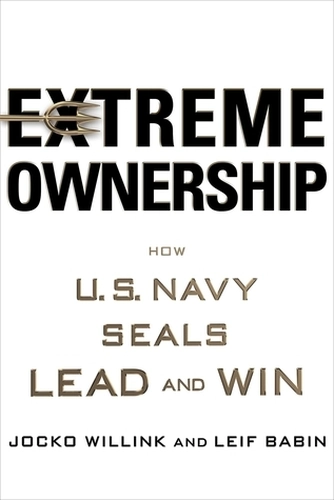
Every book on this list explains why people avoid responsibility. This one asks a different question: what does it look like when someone actually takes it?
Willink, a former Navy SEAL officer, writes about leadership under extreme conditions. His core argument is simple: a leader is responsible for everything that happens under their watch. Not just focusing on what went wrong, but asking what they could have done differently.
Taking ownership means asking “What could I have done?” rather than “Who should I blame?” Willink shows how this approach transforms teams, builds trust, and solves problems instead of hiding them.
If the other books explain why people run from responsibility, this one explains what it looks like to run toward it.
Where this leaves you
If you have ever been frustrated by someone who could not admit fault, these books give you a framework for understanding why. It is not always about dishonesty. Often it is about fear, self-protection, identity, and beliefs that feel like truth to the person holding them.
Reading across these perspectives does not guarantee you will get someone to take responsibility. But it does stop you from assuming the worst. It helps you see the behavior clearly. And it gives you a better sense of what real ownership looks like, in case you want to practice it yourself.
FAQ
Why do some people always blame others?
People often blame others because accepting responsibility creates psychological discomfort. It threatens their self-image and forces them to confront mistakes they would rather avoid. Blame is a defense mechanism, not a character flaw.
Can someone who avoids responsibility change?
Yes, but only when they are willing to tolerate the discomfort of admitting mistakes. Awareness comes before change. They need to recognize the pattern, understand why they react defensively, and practice accepting ownership in small moments.
Why do people refuse to apologize?
Sometimes because they do not see themselves as wrong. Other times because apologizing feels like losing status, control, or dignity. Apologizing requires vulnerability, and vulnerability can feel threatening to someone who has built their identity around being right.
