Most people walk through life assuming they understand why people do what they do. They assume behavior is driven by logic, character, or conscious choice.
That assumption is usually wrong.
Human behavior is shaped by invisible forces: hidden motives, social pressure, emotional signals, cognitive blind spots, and the unspoken patterns people do not even recognize in themselves.
The books below form a complete path. They start with observing what people communicate without words, move into understanding hidden motives and self-deception, then expand into social dynamics, identity, and personality. This is not a random list. Each book builds on the one before it.
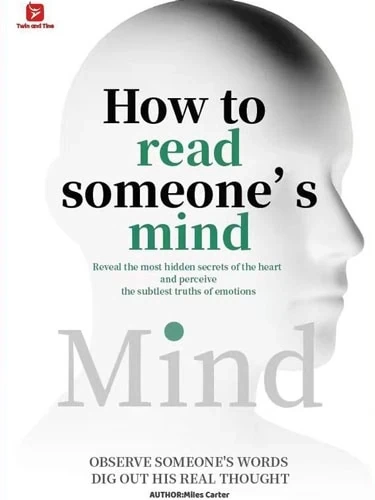
1. How to Read Someone’s Mind by Miles Carter
Understand the hidden signals behind human behavior
People do not always say what they mean. They do not always act according to what they claim to believe. The gap between words and behavior is where most understanding begins.
Carter’s book is not about telepathy. It is about pattern recognition. He teaches you to notice inconsistencies between what people say and what they repeatedly do. A single off moment means little. A consistent pattern tells you something real.
He also explains how to read emotional signals, distinguish between a bad day and a real shift, and stop overanalyzing every interaction. This book gives you the observational foundation for everything else on this list. Without it, the rest is guesswork.
2. The Definitive Book of Body Language by Allan Pease and Barbara Pease
Read what people communicate without words
Most communication happens below the surface. Posture, gestures, eye contact, and physical distance often reveal what words are hiding.
Pease and Pease break down the signals people send unconsciously. A crossed arm can mean defensiveness—or it can mean comfort, depending on context. A lack of eye contact can signal deception—or it can signal shyness. The key is reading clusters of signals, not isolated movements.
This book helps you move from guessing about body language to actually reading it.

3. Unmasking the Face by Paul Ekman and Wallace Friesen
Understand the emotions people try to hide
Not all emotions are spoken. Some are too uncomfortable to express. Some are too fast to catch.
Ekman, the world‘s leading expert on facial expressions, spent decades studying how emotions show up on the face. He identified seven universal expressions that appear across all cultures. He also discovered micro-expressions—fleeting facial movements that last less than a second but reveal what someone is actually feeling.
This book teaches you to read those signals. It helps you see when someone is hiding fear, anger, or sadness beneath a calm surface.

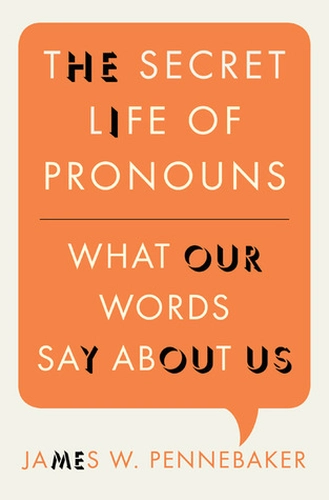
4. The Secret Life of Pronouns by James W. Pennebaker
Discover what people’s words reveal about their minds
What people say matters. But how they say it matters just as much.
Pennebaker, a psychologist, analyzed thousands of texts and transcripts to uncover patterns in language. He found that word choice reveals more about a person’s psychology than the content of what they say. The frequency of “I,” “we,” “you,” and “they” correlates with status, emotional state, and honesty.
If someone avoids first-person pronouns, they may be distancing themselves from responsibility. If they use “we” excessively, they may be seeking belonging. This book helps you read between the lines of what people actually say.
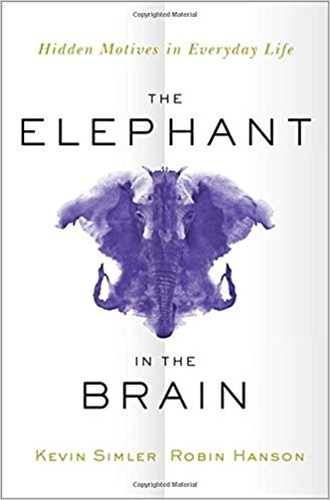
5. The Elephant in the Brain by Kevin Simler and Robin Hanson
Understand the hidden motives behind behavior
People often give reasons for their actions that sound good but are not the real reasons. They believe their own explanations, even when they are incomplete.
Simler and Hanson argue that humans are masters of self-deception. We craft explanations that protect our image, then we believe them. This is why someone can say “I was just trying to help” while actually seeking validation. Why a manager can say “we made the best decision with the information we had” while avoiding the cost of admitting a mistake.
This book exposes the hidden motives that drive behavior. It helps you see past the official story to what is actually happening underneath.
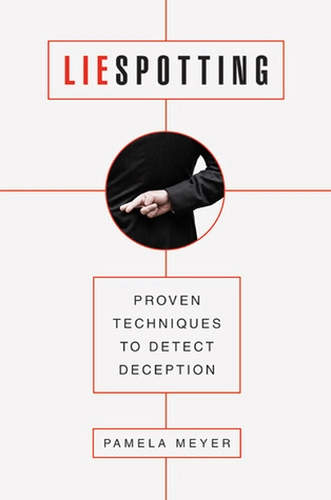
6. Liespotting by Pamela Meyer
Recognize deception and hidden intentions
Some people are not just hiding emotions. They are actively misleading you.
Meyer, a deception detection expert, trained with law enforcement and intelligence agencies to understand how people lie. She found that deception leaves traces: inconsistencies in stories, mismatches between words and body language, defensive language, and evasive answers.
This book is not about becoming a human lie detector. It is about learning to see the gaps between what someone says and what their behavior reveals. In professional settings, relationships, and everyday interactions, that skill is invaluable.
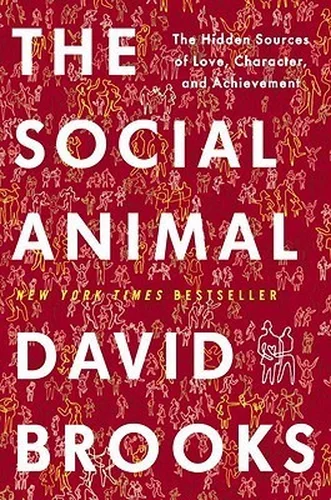
7. The Social Animal by Elliot Aronson
Understand how social forces shape behavior
People are not independent decision-makers. They are deeply influenced by the groups they belong to, the approval they seek, and the identities they want to maintain.
Aronson, one of the most respected social psychologists of the last century, shows how social pressure shapes choices, beliefs, and behavior. This book explains why smart people do irrational things in groups, why first impressions are so sticky, and why people change their minds to fit in.
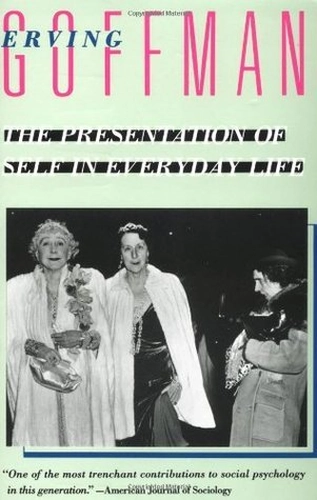
8. The Presentation of Self in Everyday Life by Erving Goffman
Understand the different versions of ourselves we show others
Everyone performs. At work, at home, with friends, and with strangers, people adjust their behavior to fit the audience.
Goffman, a sociologist, argued that social life is like a stage. People manage impressions, control what others see, and play roles depending on the situation. This is not always dishonest. It is how social interaction works.
This book helps you stop being confused by people who seem different in different settings. The coworker who is cold in meetings may be warm in private. The confident leader may be insecure behind closed doors. Goffman explains why.
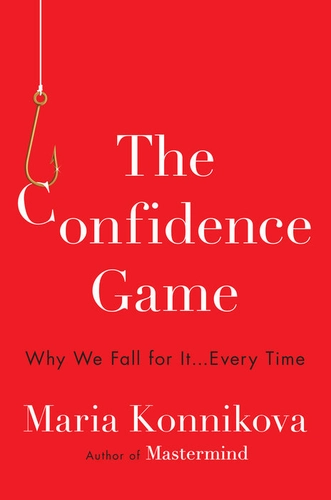
9. The Confidence Game by Maria Konnikova
Understand persuasion, deception, and manipulation
Some people are exceptionally good at appearing trustworthy while hiding their true intentions. They know how to build confidence, tell a compelling story, and gain influence.
Konnikova, a psychologist and writer, studied con artists to understand how deception works. She found that successful manipulation follows a predictable pattern: a story that feels right, a display of confidence, a promise of something desirable, and a gradual escalation that makes it harder to walk away.
This book is not about becoming a con artist. It is about recognizing the patterns so you do not get caught in them.
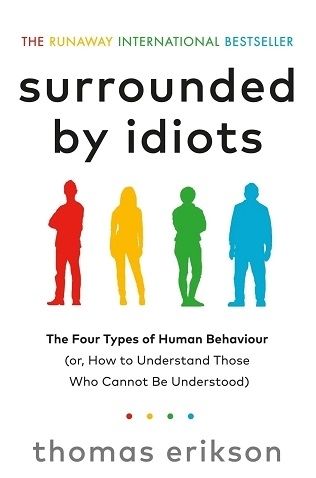
10. Surrounded by Idiots by Thomas Erikson
Understand different personality patterns
People are different, but they are different in predictable ways. Some are direct and competitive. Others are diplomatic and avoid conflict. Some need structure and control. Others need connection and approval.
Erikson categorizes these patterns into four personality types, based on how people communicate and make decisions. This is not a rigid system, but it offers a useful shortcut for understanding why some people are easy to work with and others feel impossible.
Whether you are navigating workplace dynamics, relationships, or friendships, this book helps you see that the person driving you crazy may simply be wired differently from you.
What these books reveal together
Human behavior is not random. It is shaped by signals people do not realize they are sending, motives they do not fully understand, social pressures they underestimate, and patterns they have been repeating for years.
The books here form a complete path.
How to Read Someone‘s Mind gives you the observational foundation.
The Definitive Book of Body Language and Unmasking the Face teach you to read what people communicate without words.
The Secret Life of Pronouns reveals what language patterns expose.
The Elephant in the Brain exposes hidden motives.
Liespotting helps you recognize deception.
The Social Animal and The Presentation of Self expand the frame to social forces and identity.
The Confidence Game shows how people manipulate and persuade.
Surrounded by Idiots explains personality differences that shape everyday interactions.
Read them together, and you stop guessing about people. You start seeing them clearly.
FAQ
What is the best book to start with?
Start with How to Read Someone‘s Mind. It gives you the observational foundation for understanding behavior patterns. The other books build on that foundation.
Can anyone learn to read people better?
Yes. Understanding human behavior is a skill. It requires paying attention to patterns, learning to recognize signals, and understanding the hidden forces that shape behavior.
Are body language and micro-expressions reliable?
They are useful, but context matters. No single gesture or expression is definitive. The key is reading clusters of signals over time.
Why do people behave differently in different settings?
People adjust their behavior to fit the audience and situation. This is not dishonesty. It is how social interaction works.
What is the most common mistake people make when trying to understand others?
Assuming others think and feel the same way they do. People project their own motives onto others. Understanding human behavior starts with recognizing that people are wired differently.
