Many parents want the same thing:
A close relationship with their child.
They want their child to feel safe talking to them.
They want their child to trust them.
They want to guide their child without creating distance.
But building a strong parent-child relationship is not always easy.
Sometimes parents find themselves asking:
“Why does my child not listen to me?”
“Why do we argue about everything?”
“How can I become closer to my child?”
A strong connection is not created by being a perfect parent.
It grows through everyday moments of understanding, communication, and emotional support.
The right parenting books can help parents see beyond behavior and understand the emotions and needs behind it.
Here are three books that offer different perspectives on building a stronger parent-child relationship.
1. The Parent You Aspire to Be
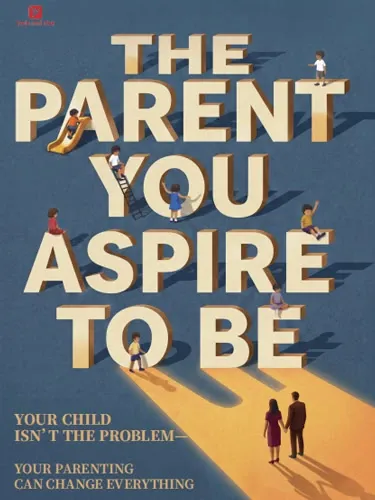
Best for: Parents who want to create a deeper emotional connection
Many parenting struggles come from focusing only on what children do.
A child refuses to listen.
A child has a meltdown.
A child reacts strongly to small things.
The first reaction many parents have is:
“How do I fix this behavior?”
But meaningful connection often begins with another question:
“What is my child trying to tell me?”
The Parent You Aspire to Be focuses on helping parents understand the emotional needs behind children’s behavior.
Instead of seeing difficult moments as battles, the book encourages parents to view them as opportunities to strengthen connection.
It explores how parents can:
- Understand the feelings behind children’s actions
- Respond with patience instead of frustration
- Build trust through daily interactions
- Help children develop confidence and emotional security
One of the most important parts of a healthy parent-child relationship is emotional safety.
Children need to know:
“My parents listen to me.”
“My feelings matter.”
“I can make mistakes and still be loved.”
This book is especially helpful for parents who want to:
- Build a closer relationship with their child
- Improve emotional connection
- Become a more intentional parent
- Create a supportive family environment
2. The 5 Love Languages of Children
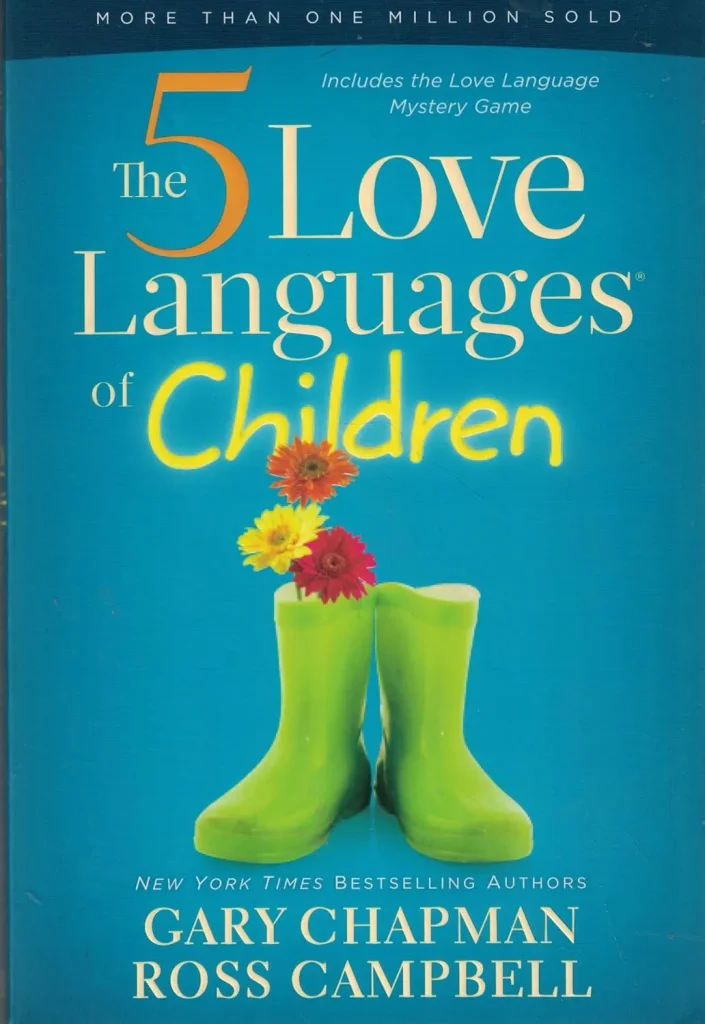
Best for: Understanding how your child feels loved
Sometimes parents love their children deeply, but children do not always experience that love in the same way.
A parent may show love by working hard, providing everything they need, or helping with daily tasks.
But a child may be looking for something different.
The 5 Love Languages of Children by Gary Chapman and Ross Campbell explores the idea that children may have different ways of receiving love.
The book introduces five common ways children experience connection:
- Words of affirmation
- Quality time
- Acts of service
- Gifts
- Physical touch
Understanding these differences can help parents communicate love in ways children recognize more easily.
This book is useful for parents who want to:
- Better understand their child’s emotional needs
- Strengthen family connection
- Make everyday interactions more meaningful
3. No-Drama Discipline
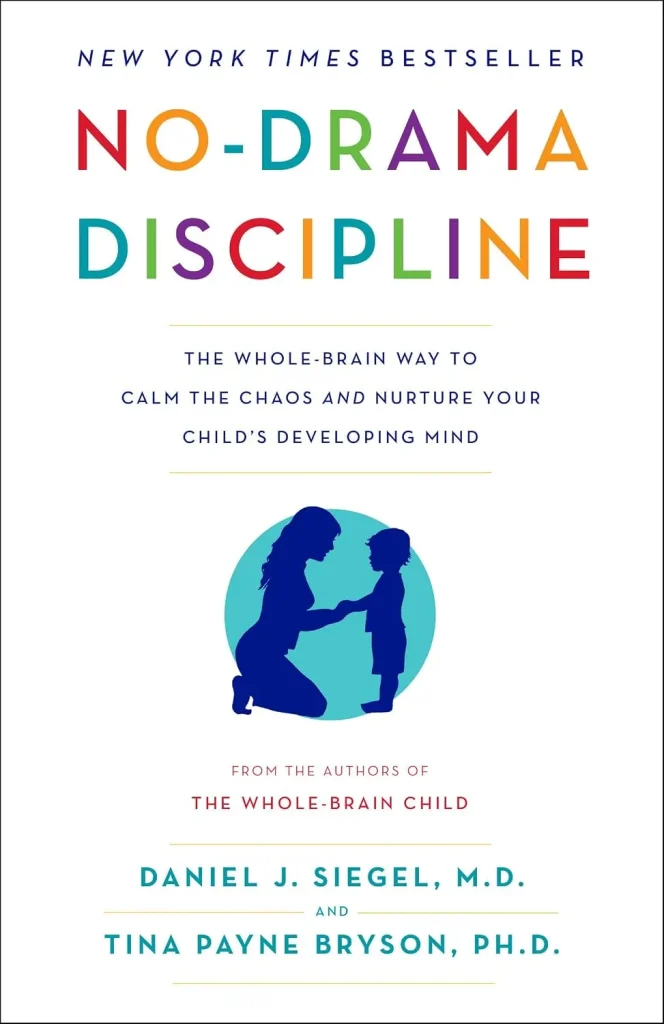
Best for: Setting boundaries while maintaining connection
One of the biggest challenges in parenting is discipline.
Parents want children to learn responsibility, but they also want to avoid creating emotional distance.
No-Drama Discipline by Daniel J. Siegel and Tina Payne Bryson explores how parents can guide children’s behavior while staying connected.
The book focuses on:
- Understanding what happens during children’s emotional moments
- Responding instead of reacting
- Teaching rather than punishing
- Building emotional skills through discipline
A key idea is that discipline is not only about stopping unwanted behavior.
It is also about teaching children how to handle emotions and make better choices in the future.
This approach can help parents create boundaries without damaging trust.
Which Book Should You Read First?
Each book focuses on a different part of building a stronger parent-child relationship.
Choose The Parent You Aspire to Be if you want to:
→ Understand your child’s emotions more deeply
→ Build stronger trust and connection
→ Become a calmer and more intentional parent
Choose The 5 Love Languages of Children if you want to:
→ Learn how your child experiences love
→ Improve emotional connection
→ Make everyday parenting moments more meaningful
Choose No-Drama Discipline if you want to:
→ Set healthy boundaries
→ Handle challenging behavior better
→ Discipline while maintaining connection
There is no perfect parenting method.
Every family has difficult moments.
What matters most is creating a relationship where children feel safe, respected, and understood.
Final Thoughts
Building a stronger parent-child relationship is not about being a perfect parent.
It is about being present.
A child may not remember every rule or correction.
But they will remember whether they felt heard.
Whether they felt supported.
Whether they knew they were loved.
The strongest connections are built through small daily choices:
Listening before judging.
Connecting before correcting.
Understanding before reacting.
The right parenting book can provide guidance, but the relationship grows through the moments parents create every day.
Which Parent-Child Relationship Book Should You Read First?
Each book supports a different part of building connection.
Choose The Parent You Aspire to Be if you want to:
→ Understand your child’s emotional needs
→ Build deeper trust and connection
→ Become a more intentional parent
Choose The Whole-Brain Child if you want to:
→ Understand emotional development
→ Learn why children react strongly
→ Support better emotional regulation
Choose How to Talk So Kids Will Listen & Listen So Kids Will Talk if you want to:
→ Improve daily communication
→ Reduce arguments
→ Create more positive conversations
Building a stronger parent-child relationship does not happen overnight.
It is created through small moments:
A conversation before bedtime.
A patient response during a difficult moment.
A decision to understand before reacting.
Final Thoughts
The strongest parent-child relationships are not built on perfection.
They are built on connection.
Children do not need parents who never make mistakes.
They need parents who are willing to listen, repair, and continue learning.
The goal of parenting is not only to raise children who behave well.
It is to raise children who feel loved, understood, and confident in who they are.
A stronger relationship begins when parents choose connection over control.