Have you ever felt tired, not because you did too much physically, but because your mind never seems to stop?
You finish one worry.
Another one appears.
You solve one problem.
Your brain immediately searches for the next possible threat.
Maybe you find yourself thinking:
“Did I make the right decision?”
“What if something goes wrong?”
“What if I should have handled it differently?”
Constant worrying can become emotionally exhausting.
The difficult part is that many people who worry excessively are not careless or negative.
Often, they are people who:
- Want to avoid mistakes
- Care deeply about others
- Try to prepare for every possibility
- Feel responsible for getting things right
The problem is not caring.
The problem is when your mind stays in protection mode even when there is no immediate danger.
Learning how to manage these patterns requires more than simply telling yourself to “relax.”
Understanding why worry happens is often the first step toward changing it.
These books explore different ways to understand anxiety, emotional patterns, and repetitive thoughts.
1. Break the Anxiety Circle
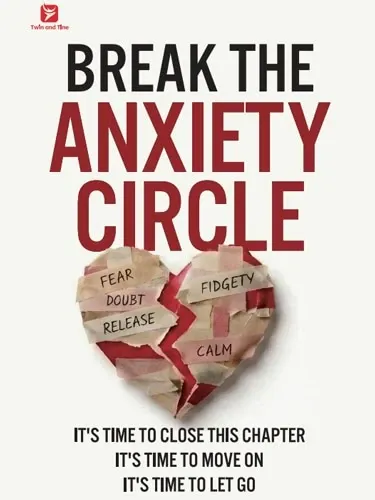
Best for: Understanding why worry keeps repeating
Many people experience worry as a cycle.
A thought appears.
The mind tries to solve it.
More possibilities appear.
The uncertainty becomes even stronger.
Eventually, thinking no longer creates solutions.
It creates exhaustion.
Break the Anxiety Circle focuses on helping readers understand why anxiety loops happen and how these patterns affect emotions, decisions, and daily life.
Instead of treating anxiety as something that should simply disappear, the book explores the relationship between thoughts, feelings, and reactions.
It helps readers recognize:
- Why the brain keeps returning to worries
- How anxious patterns develop
- Why uncertainty feels difficult to tolerate
- How to create healthier responses to stress
One important idea is that anxious thoughts often have a purpose.
They are the mind’s attempt to protect us.
But when this protective system becomes overactive, it can leave people feeling trapped.
This book is especially useful for people who:
- Feel mentally tired from constant worrying
- Overanalyze everyday situations
- Replay conversations in their mind
- Struggle to switch off anxious thoughts
2. The Anxiety and Phobia Workbook
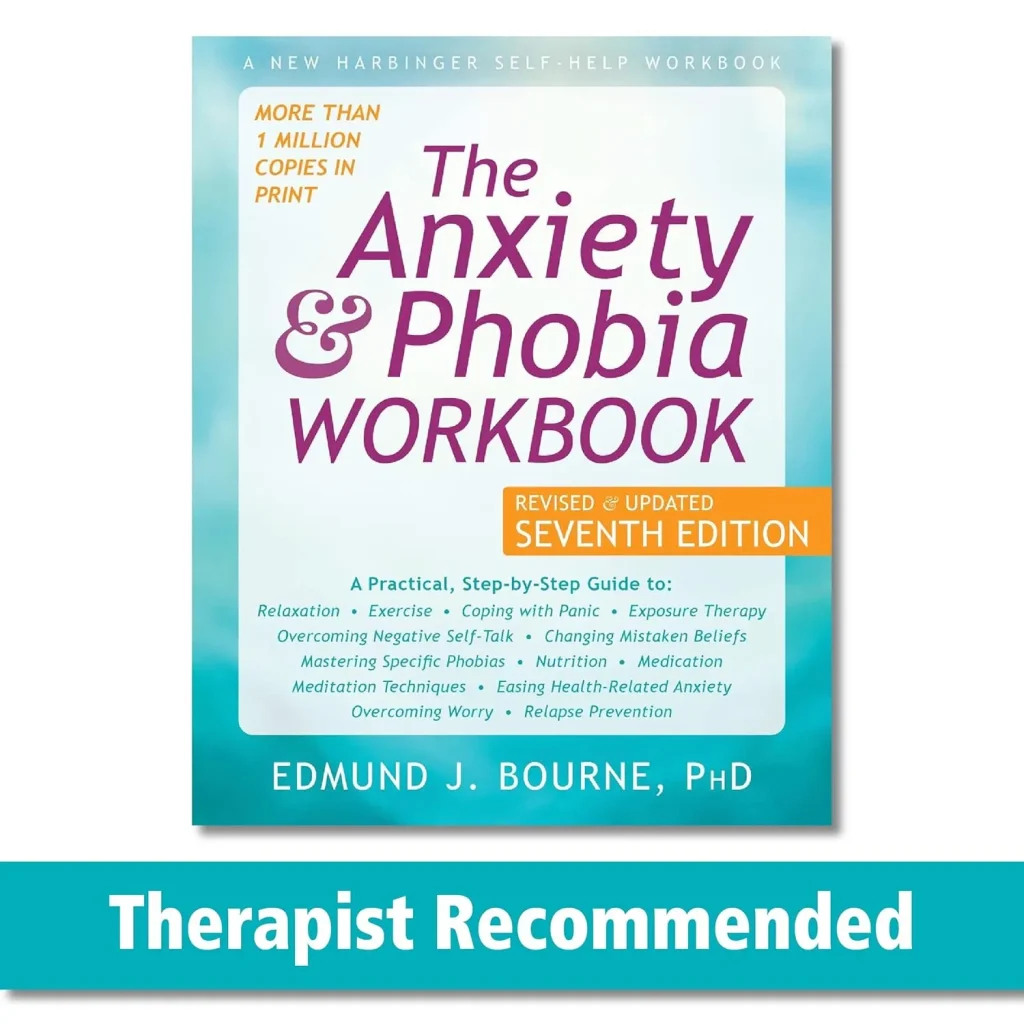
Best for: People who want practical tools for managing anxiety
Understanding anxiety is important.
But some people also want clear exercises they can practice.
The Anxiety and Phobia Workbook provides a structured approach to recognizing anxiety patterns and developing coping strategies.
The book explores techniques related to:
- Identifying anxious thoughts
- Managing fear responses
- Practicing relaxation methods
- Building confidence through gradual change
Unlike books that focus mainly on emotional reflection, this one feels more like a practical guide.
For readers who prefer step-by-step exercises, it offers a more action-focused approach.
3. Self-Compassion
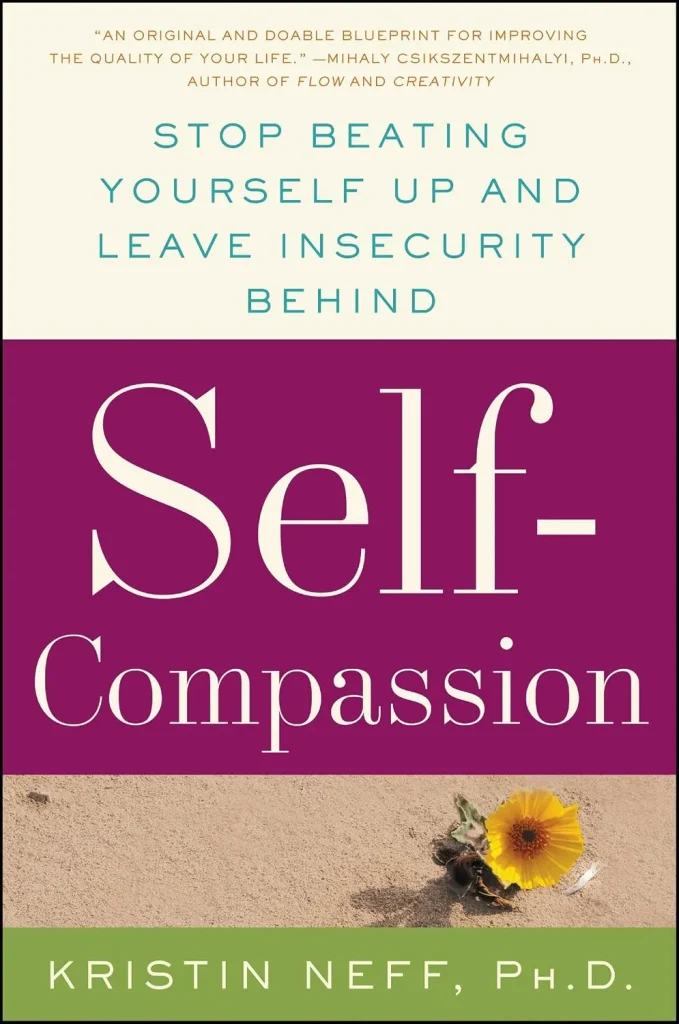
Best for: People whose worry comes from self-pressure
Sometimes constant worrying is connected to the way we treat ourselves.
A person may think:
“I should have done better.”
“I cannot make mistakes.”
“I need to handle everything perfectly.”
This inner pressure can create emotional exhaustion.
In Self-Compassion, Kristin Neff explores how treating ourselves with more kindness can improve emotional wellbeing.
The book helps readers understand:
- Why self-criticism increases stress
- How compassion affects emotional resilience
- How to respond to mistakes in healthier ways
For people who constantly judge themselves, developing self-compassion can be an important part of emotional healing.
Which Book Can Help You Most?
The best choice depends on what type of worry you experience.
Choose Break the Anxiety Circle if you want to:
→ Understand why anxious thoughts repeat
→ Break unhealthy worry patterns
→ Learn how emotions and thoughts interact
Choose The Anxiety and Phobia Workbook if you want:
→ Practical exercises
→ Structured anxiety-management strategies
→ Tools you can apply step by step
Choose Self-Compassion if you want:
→ Less self-criticism
→ More emotional balance
→ A healthier relationship with yourself
Everyone experiences worry differently.
Some people need to understand their thought patterns.
Some need practical methods.
Others need to become less harsh toward themselves.
The right book can help you see your worries from a different perspective.
Final Thoughts
A tired mind does not always need more solutions.
Sometimes it needs a new way of responding.
Worry may begin as an attempt to protect you, but it does not have to control your everyday life.
By understanding anxiety patterns, practicing healthier thinking habits, and developing more emotional awareness, you can gradually create more calm and clarity.
The goal is not to never worry again.
It is to stop letting worry take over your life.