Every parent wants their child to grow up confident.
They hope their child can:
- Try new things without being afraid
- Recover after making mistakes
- Express their opinions
- Believe they are capable and valued
But confidence is not something children simply have.
It develops through thousands of small experiences.
The way parents respond when a child fails.
The words they use during difficult moments.
The emotional safety children feel at home.
Many parents focus on building confidence by encouraging achievement.
But true confidence is not only about success.
It comes from knowing:
“I am loved even when I make mistakes.”
“I can learn from challenges.”
“My feelings and ideas matter.”
The right parenting books can help parents understand how everyday interactions shape a child’s confidence and emotional development.
Here are three books that offer different perspectives on raising confident children.
1. The Parent You Aspire to Be
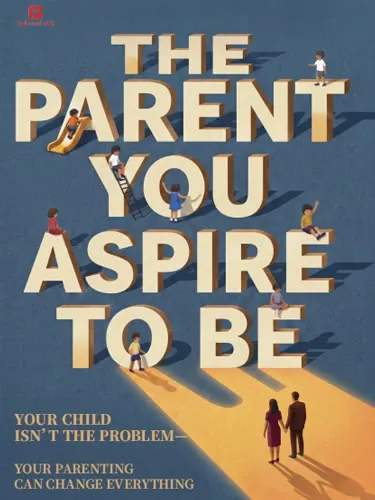
Best for: Building confidence through emotional connection
A confident child is not created by constant praise.
Confidence grows when children feel understood, supported, and emotionally secure.
The Parent You Aspire to Be explores how parents can create a stronger emotional foundation for their children.
Instead of focusing only on correcting behavior, the book encourages parents to understand the emotions and needs behind children’s actions.
It helps parents learn how to:
- Respond to children with more awareness
- Build trust through everyday interactions
- Support emotional growth
- Create an environment where children feel valued
One of the most important lessons in parenting is that children develop their self-image through relationships.
The way parents speak to children often becomes the way children eventually speak to themselves.
When children repeatedly experience understanding and encouragement, they are more likely to develop:
- Self-confidence
- Emotional resilience
- A stronger sense of self-worth
This book is especially helpful for parents who want to raise children who are not only successful, but also emotionally secure.
2. Raising Good Humans
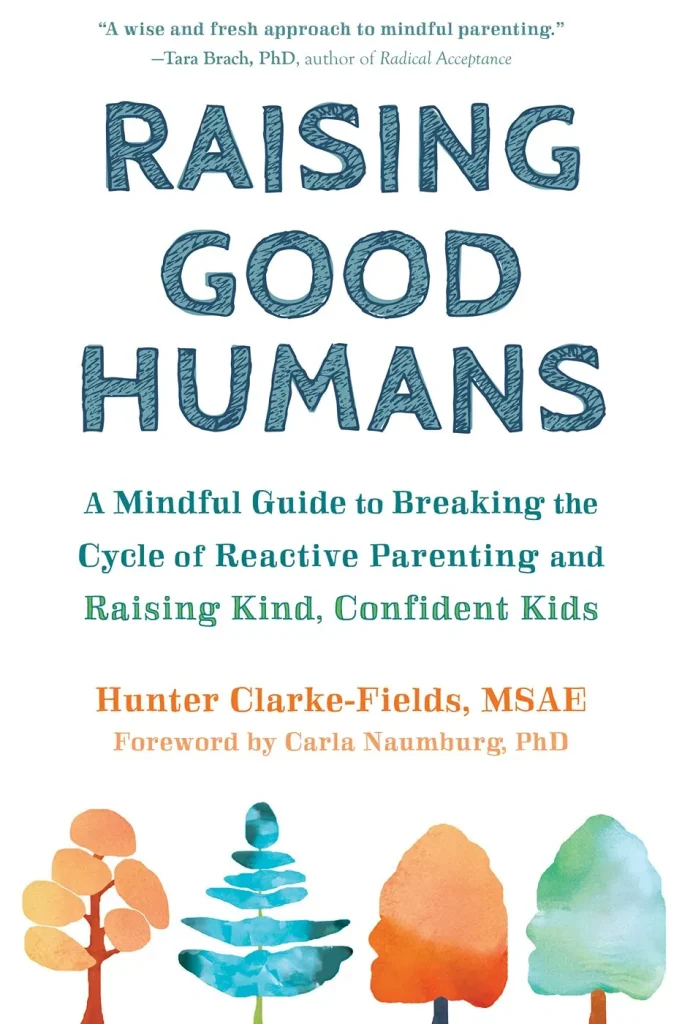
Best for: Parents who want a more mindful approach to parenting
Many parents know they love their children, but they struggle with how they respond during stressful moments.
A child refuses to cooperate.
A parent becomes frustrated.
Later, they regret how they reacted.
Raising Good Humans by Hunter Clarke-Fields focuses on mindful parenting and helping parents become more aware of their own reactions.
The book explores:
- Breaking automatic parenting patterns
- Managing emotional reactions
- Communicating with children more calmly
- Creating stronger connections
A key idea is that children learn not only from what parents teach them, but also from how parents handle emotions.
For parents who want to create a calmer family environment, this book offers valuable reflection.
3. The Self-Driven Child
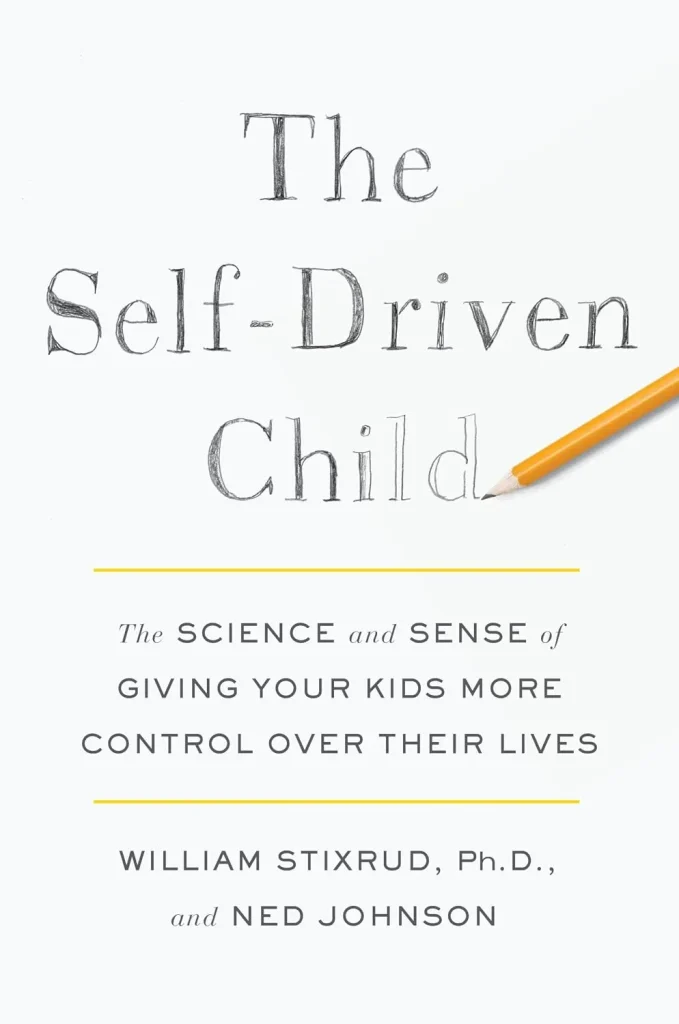
Best for: Helping children develop independence and confidence
Many parents want to protect their children from failure.
They solve problems quickly.
They step in when things become difficult.
But confidence often develops when children experience that they can handle challenges themselves.
The Self-Driven Child by William Stixrud and Ned Johnson explores how parents can support children’s independence while still providing guidance.
The book discusses:
- Encouraging responsibility
- Reducing excessive pressure
- Supporting children’s motivation
- Helping children develop resilience
Rather than controlling every outcome, parents learn how to create conditions where children can build confidence through experience.
Confidence Begins With How Children Feel at Home
Raising a confident child is not about creating a child who never struggles.
Every child will experience failure, disappointment, and uncertainty.
The difference is whether they believe they can handle those moments.
The most powerful confidence-building moments often look very ordinary:
A parent listening after a difficult day.
A parent encouraging effort instead of only praising results.
A parent showing that mistakes are part of learning.
Children do not become confident because life is always easy.
They become confident because they know they are supported while facing challenges.
Final Thoughts
The foundation of confidence is not perfection.
It is connection.
Children who feel understood are more willing to explore.
Children who feel supported are more willing to try.
And children who know they are valued are more likely to develop a healthy belief in themselves.
The best parenting books do not teach parents how to create perfect children.
They help parents create the kind of relationship where children can grow into confident individuals.