Some conversations are difficult not because we do not know what to say.
They are difficult because we are afraid of what might happen after we say it.
You may want to tell someone:
“I feel hurt.”
“I need more support.”
“I disagree with this.”
But then another thought appears:
“What if they get angry?”
“What if they misunderstand me?”
“What if this damages our relationship?”
So instead, you stay quiet.
You ignore the problem.
You hope it will disappear.
But avoiding difficult conversations often creates more distance over time.
Unspoken feelings can turn into frustration.
Small misunderstandings can become bigger conflicts.
Healthy communication is not about avoiding uncomfortable moments.
It is about learning how to express yourself with honesty and respect.
The right books can help you understand your communication patterns and develop stronger relationship skills.
1. Say It Right Every Time
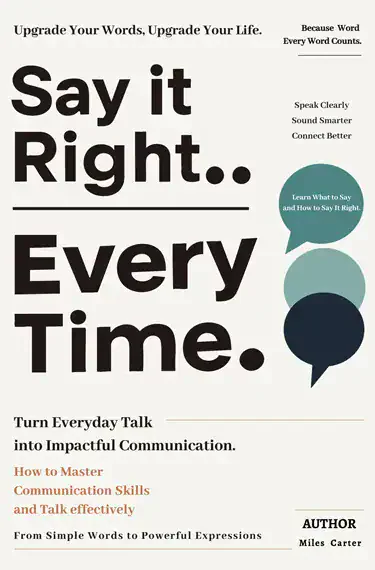
Best for: Learning how to express thoughts and feelings clearly
Many people struggle with communication because they focus only on finding the “perfect words.”
But effective communication is not about sounding perfect.
It is about making your thoughts and emotions understandable.
Say It Right Every Time focuses on helping readers communicate with more clarity and intention.
The book explores how to:
- Express feelings without creating unnecessary tension
- Choose words that encourage understanding
- Communicate needs more directly
- Avoid common patterns that damage conversations
One of the biggest communication challenges is that people often wait until emotions become overwhelming.
By that point, a simple conversation can become an emotional reaction.
Learning to communicate earlier and more clearly can prevent many unnecessary conflicts.
This book is especially helpful for people who:
- Avoid expressing their true feelings
- Feel misunderstood in relationships
- Struggle with emotional conversations
- Want to communicate with more confidence
The goal is not to talk more.
The goal is to make sure your real thoughts are being heard.
2. Difficult Conversations
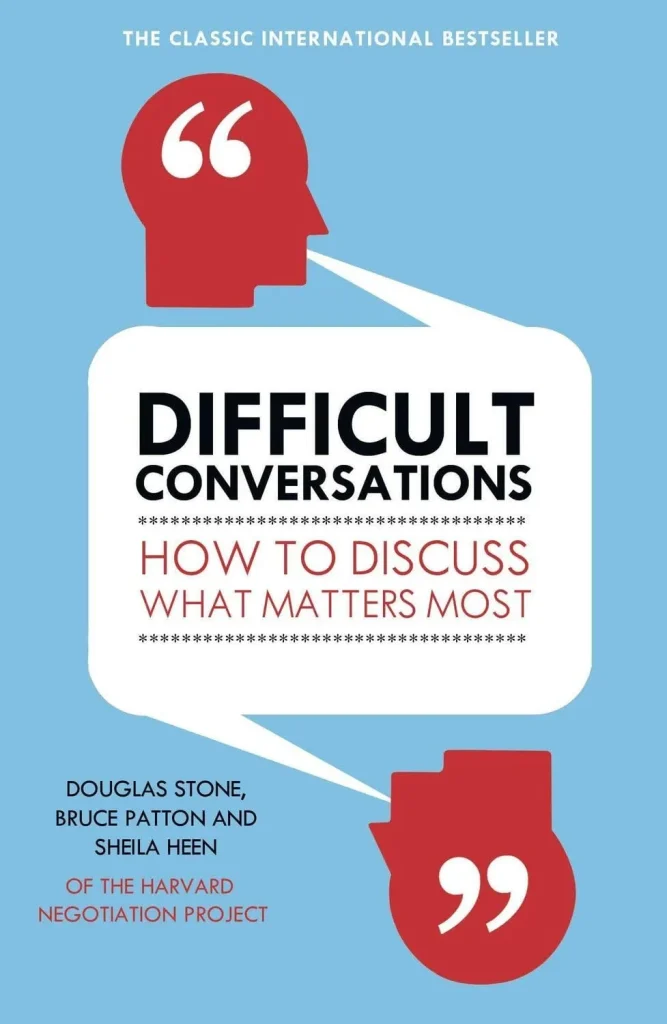
Best for: Handling sensitive topics with confidence
Some conversations feel difficult because they involve emotions, expectations, and personal differences.
A discussion about money.
A disagreement with a partner.
A conversation about boundaries.
Many people avoid these situations because they associate conflict with relationship damage.
Difficult Conversations by Douglas Stone, Bruce Patton, and Sheila Heen explores why challenging conversations become stressful and how people can approach them more effectively.
The book helps readers understand:
- Why people become defensive
- How assumptions influence conversations
- How to listen without immediately reacting
- How to discuss sensitive topics more productively
A valuable lesson from the book is that difficult conversations are not always signs of unhealthy relationships.
Sometimes they are opportunities for deeper understanding.
3. Set Boundaries, Find Peace
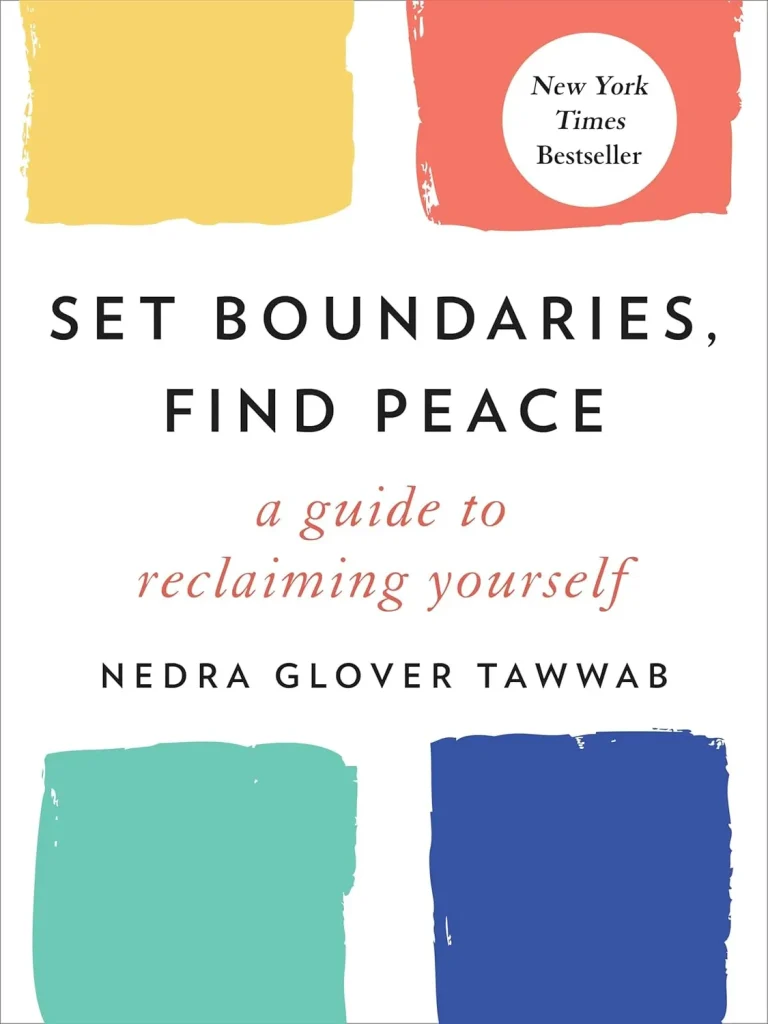
Best for: Communicating your needs without guilt
For some people, avoiding difficult conversations is connected to difficulty setting boundaries.
They worry about disappointing others.
They fear being seen as selfish.
They say yes when they actually want to say no.
Set Boundaries, Find Peace by Nedra Glover Tawwab explores how healthy boundaries improve relationships and emotional wellbeing.
The book discusses:
- How to identify your personal limits
- How to communicate needs clearly
- How to stop excessive people-pleasing
- How boundaries create healthier connections
Learning to express what you need is not about pushing people away.
It is about creating relationships built on honesty and respect.
Why Avoiding Conversations Often Creates More Stress
Avoiding a difficult conversation can feel easier in the short term.
You avoid discomfort.
You avoid possible disagreement.
You keep the peace.
But unresolved feelings often remain.
Over time, silence can create:
- Emotional distance
- Resentment
- Misunderstanding
- Frustration
Healthy communication does not mean every conversation will be easy.
It means you develop the ability to handle uncomfortable moments with more awareness.
The strongest relationships are not built because people never disagree.
They are built because people learn how to talk through those disagreements.
Final Thoughts
Learning to communicate better is a gradual process.
It starts with small changes:
Saying what you truly feel.
Asking for what you actually need.
Listening before defending yourself.
Difficult conversations will always be part of relationships.
But they do not have to become moments of fear.
With the right communication tools, uncomfortable conversations can become opportunities for greater trust and connection.