Anxiety can look different from person to person.
For some people, it appears as endless worrying.
A simple decision becomes a long internal debate.
A small mistake becomes something they replay for days.
For others, anxiety feels more physical:
A racing heartbeat.
A strong fear response.
Avoiding situations because they feel overwhelming.
Because anxiety has many forms, different books take different approaches to helping people understand and manage it.
Two books that approach anxiety from different perspectives are:
Break the Anxiety Circle and The Anxiety and Phobia Workbook.
Both aim to help readers reduce anxiety, but they focus on different parts of the experience.
One focuses more on understanding the mental patterns behind anxiety.
The other provides structured exercises and practical techniques.
Understanding the difference can help you choose the approach that fits your needs.
Break the Anxiety Circle: Understanding Why Your Mind Gets Stuck
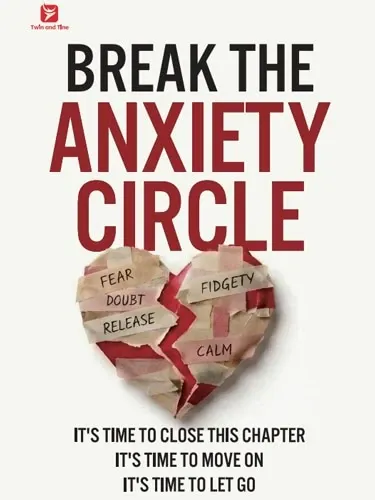
Many people experience anxiety as a repeating cycle.
A worry appears.
The mind tries to solve it.
More questions appear.
The uncertainty grows.
Eventually, thinking becomes exhausting instead of helpful.
Break the Anxiety Circle focuses on this pattern: the way anxious thoughts repeat and create emotional exhaustion.
Rather than looking at anxiety only as a symptom to control, the book explores the relationship between thoughts, emotions, and reactions.
It helps readers understand:
- Why certain worries keep returning
- How anxiety loops develop
- Why the brain struggles with uncertainty
- How to create healthier responses to stressful thoughts
The strength of this approach is awareness.
Before changing a pattern, many people need to understand the pattern itself.
For someone who often thinks:
“Why can’t I stop thinking about this?”
“Why does my mind keep returning to the same fear?”
This perspective can provide valuable insight.
The Anxiety and Phobia Workbook: A Practical Approach to Managing Anxiety
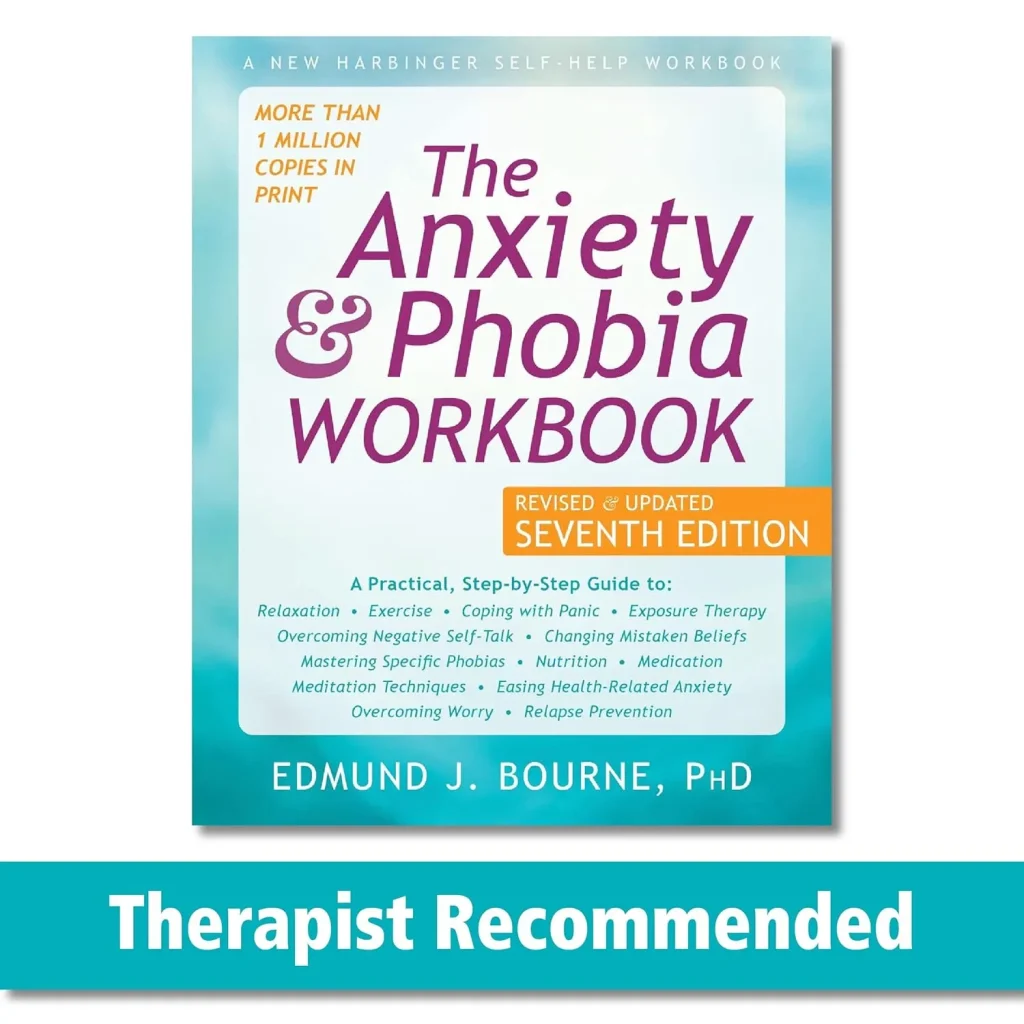
While Break the Anxiety Circle focuses on understanding the cycle behind anxiety, The Anxiety and Phobia Workbook takes a more structured, exercise-based approach.
The book combines psychological research with practical activities designed to help readers manage anxiety symptoms.
It explores topics such as:
- Identifying anxious thoughts
- Understanding fear responses
- Practicing relaxation techniques
- Developing coping strategies
The workbook format makes it different from many traditional psychology books.
Instead of only reading about anxiety, readers are encouraged to actively complete exercises and apply techniques.
For people who prefer clear steps and practical homework-style activities, this approach can feel more actionable.
The Main Difference: Understanding Patterns vs Practicing Techniques
The biggest difference between these two books is their focus.
Break the Anxiety Circle asks:
“Why does my mind keep creating the same anxiety patterns?”
It focuses on:
- Awareness
- Thought cycles
- Emotional patterns
- Understanding the source of anxiety
The Anxiety and Phobia Workbook asks:
“What can I do when anxiety appears?”
It focuses on:
- Exercises
- Coping techniques
- Practical strategies
- Behavioral changes
Neither approach is better for everyone.
They simply solve different parts of the anxiety experience.
Which Approach Fits Your Situation?
If your biggest struggle is feeling trapped in repetitive thoughts, you may benefit more from understanding the cycle behind your anxiety.
For example:
You keep replaying conversations.
You constantly imagine possible problems.
You struggle to stop analyzing situations.
In this case, Break the Anxiety Circle offers a valuable perspective by helping you recognize the mental patterns behind these experiences.
If your main challenge is managing strong anxiety reactions and you prefer step-by-step exercises, The Anxiety and Phobia Workbook may be a better fit.
It provides practical tools you can practice regularly.
Some readers may even find value in exploring both approaches:
Understanding why anxiety happens and learning how to respond when it appears.
Different Paths Toward a Calmer Mind
Anxiety is not only about having negative thoughts.
It is also about the relationship we develop with those thoughts.
Some people need to understand their inner patterns before they can change them.
Others need practical methods they can immediately apply.
Break the Anxiety Circle offers a deeper look into why anxious thinking becomes repetitive.
The Anxiety and Phobia Workbook provides structured strategies for managing anxiety challenges.
The right choice depends on where you are in your own journey.
Sometimes the first step toward feeling calmer is not forcing your mind to stop.
It is learning why your mind works the way it does.